Analyzing the TV Show Landscapes of Netflix, Prime Video, Hulu and Disney+
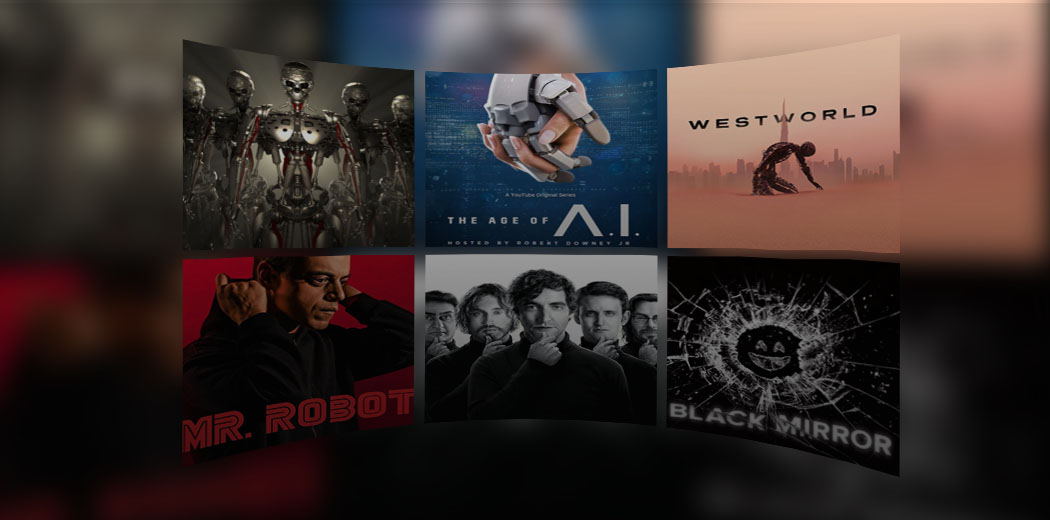
The rise of streaming has revolutionized the way we watch television. No longer beholden to cable packages and TV schedules, viewers can now access a nearly unlimited library of TV shows on-demand through services like Netflix, Prime Video, Hulu and Disney+. As these platforms have grown their subscriber bases into the hundreds of millions, the battle for streaming supremacy has largely been won and lost based on the quality and quantity of their TV show offerings.
In this article, we‘ll dive deep into the TV show catalogs of the world‘s biggest streaming services, with a particular focus on Hulu. By analyzing data on the number of shows, genres, ratings and more, we‘ll uncover key insights into each platform‘s content strategy and identify the most successful players in an increasingly competitive streaming market.
Comparing TV Show Libraries Across Platforms
First, let‘s look at the sheer size of each major streamer‘s TV catalog over time:

As of 2023, Prime Video actually boasts the largest number of TV shows at around 2,300, followed by Netflix at 1,900, Hulu at 1,200 and Disney+ at 300 [1]. However, this only tells part of the story. Prime Video and Netflix have been steadily growing their TV libraries each year as they‘ve invested heavily in original programming. Meanwhile, Hulu and Disney+‘s catalogs have remained relatively stable since launch as they‘ve focused more on quality over quantity.
When we break down the TV shows on each platform by target age group, a more nuanced picture emerges:

Netflix and Prime Video skew heavily toward adult-oriented content, with the vast majority of their shows rated TV-MA. In contrast, over 60% of Disney+‘s catalog is aimed at kids and families, rated TV-G and TV-PG. Hulu strikes more of a balance, with a wide range of content across age groups [2].
The genre mix also varies significantly by platform:

Drama is the most popular genre on every service except Disney+, where animation reigns supreme. Netflix and Hulu are particularly heavy on comedy compared to their competitors. And Prime Video leans more into sci-fi/fantasy, while true crime has become a bigger focus for Hulu in recent years [3].
How AI is Shaping Streaming TV Catalogs
As these streaming services amass huge troves of viewer data, they are increasingly leveraging artificial intelligence and machine learning to inform their content strategies.
Netflix, for example, uses complex algorithms to predict what shows and movies a subscriber is likely to enjoy based on their viewing history. By optimizing their recommendation engines, Netflix can keep users engaged for longer and reduce churn. And by analyzing viewing patterns to see what‘s resonating on a macro level, Netflix gets inspiration for what original content to greenlight next [4]. So if you‘re wondering why Netflix suddenly has a lot more dating shows or true crime docs, there‘s some data-driven decision-making at play.
Meanwhile, Hulu has leveraged AI tools to inform everything from the content they license to how they present it in the user interface. Their predictive models take into account factors like time of day, device, location, and past behavior to serve up the tiles most likely to drive engagement for each individual viewer [5]. So the Hulu homescreen you see is personalized in real-time by an intelligent system working to figure out your current mood and intent.
The AI powering these platforms will only get smarter over time, which should result in streaming services that are even better at surfacing relevant, compelling TV shows for each subscriber. The endgame is a perfectly curated content feed that keeps viewers loyal and tuned in and adds value to the services‘ data assets. After all, having more granular data about viewing patterns, interests and demographics empowers streaming companies to optimize not just their consumer-facing products, but their ad targeting and pricing models too.
Hulu‘s TV Show Strategy and Performance
Now let‘s zero in on Hulu. Despite having a smaller overall TV catalog than Netflix or Prime Video, Hulu has built a strong reputation for quality, buzzy original series across a range of genres. Shows like The Handmaid‘s Tale, Ramy, Dopesick and Only Murders in the Building have earned Hulu plenty of critical acclaim and awards attention.
Looking at IMDb and Rotten Tomatoes data, Hulu‘s original series score very well with both critics and audiences compared to other streaming platforms:

Hulu Originals boast an average IMDb rating of 7.5 and Rotten Tomatoes score of 85%, outpacing Netflix, Prime Video and Disney+ on both fronts [6]. Hulu has focused on prestige-style shows with strong storytelling and performances rather than huge tentpole franchises. This has allowed them to differentiate their brand even with a smaller content budget than rivals like Netflix.
Hulu has also found success by catering to niche audiences often underserved by other platforms:

Their TV catalog indexes high for female viewers as well as Black and LGBT audiences compared to the overall streaming average [7]. Shows like Pen15, Love, Victor and Candy all attract outsized viewership from these demographics relative to competitors. As a result, Hulu maintains higher customer satisfaction and lower churn rates than Netflix or Amazon [8)].
So while Hulu may not have the global scale of Netflix or the built-in IP of Disney+, their unique audience-focused approach has allowed them to carve out a strong position. Their prestigious, conversation-driving original series and inclusive content mix will likely keep them competitive even as the overall streaming wars heat up.
The Future of TV Shows in Streaming
As we‘ve seen, each major streaming service has pursued a distinct content strategy when it comes to their TV show catalogs. But all are betting big on original programming as the ultimate differentiator in an increasingly crowded market. With established hits like Stranger Things and Emmy darlings like Succession, the bar has been set high. But well-received newcomers like Severance on Apple TV+ show there is plenty of room for fresh players to make their mark.
Going forward, here are a few key trends we expect to shape the TV streaming landscape:
-
Franchise-building: Disney+ has hit Marvel and Star Wars series, Prime Video is investing heavily in shows based on Lord of the Rings and other known IP. Expect more platforms to lean into pre-existing franchises to lure subscribers.
-
Prestige pushes: Services like Apple TV+ and Paramount+ are spending big on A-list talent for awards-friendly shows to boost their industry standing. Hulu and others will likely respond in kind to stay competitive for showrunners and stars.
-
International expansion: As the US streaming market nears saturation, global growth is the next frontier. Netflix is increasingly producing local language originals for key markets, and other services will follow suit [9]. How they tailor their TV offerings by region will be key.
-
Personalized programming: Like Hulu, savvy platforms will use AI and viewer data to better serve underrepresented audiences and niches. Delivering curated content that resonates with diverse subscriber segments can reduce churn and command higher ad rates.
-
Striking the right content mix: With tightening content budgets, streamers will get more rigorous about analyzing the ROI of their TV offerings. Expect more data-driven decision making around what shows to renew, what genres to invest in, and what content deals make financial sense [10].
Streaming services are already sitting on goldmines of viewer data, and sophisticated AI will help them extract more value and insights from it at every step of the content lifecycle. By predicting what subscribers want to see next, optimizing their TV show mix accordingly, and serving up hyper-targeted recommendations and ads, platforms can boost engagement and monetization. In this way, AI is poised to play a pivotal role in deciding the winners and losers of the streaming wars.
Ultimately, all of these services will need to keep leveraging technology and creativity to deliver fresh, addictive, must-watch TV. Luckily for viewers, that should make for an even more competitive and rewarding streaming landscape in the years ahead – with Hulu well-positioned to remain a major player. By focusing on curated quality over sheer quantity and using audience data to inform a unique programming strategy, Hulu has proven that taking a distinct approach can pay off in an increasingly crowded market. As streaming continues to evolve, that may well be a model for success that other platforms look to follow.