
What Series of Pokémon Cards Are Most Worth Collecting? A Vintage Collector’s Guide
As someone who has collected Pokémon cards since the very first Base Set in 1999, I can tell you firsthand that the most valuable, rarest and most cherished cards for any collector come predominantly from those earliest vintage sets released between 1999 to 2005. The nostalgia, iconic artwork, limited quantities and foundational status of the original Pokémon TCG releases make them the holy grail for collectors and investors alike. If you want to start collecting Pokémon cards that will hold value and accrue as assets, focus your search on cards from the sets I highlight in this vintage guide.
A Brief History of the Pokémon TCG and Why Early Sets Matter
To understand why vintage Pokémon cards are so coveted, it helps to know the story behind the game’s meteoric rise and cultural phenomenon. The Pokémon TCG was first launched in North America in January 1999 shortly after the Pokémon Red and Blue video games became a certified hit on the Nintendo GameBoy. The vivid and endearing artwork on the cards, along with the strategic gameplay, resonated strongly and created a global craze. An entire generation grew up trading the cards on playgrounds (I know I did!).
Some key indicators on just how wildly popular Pokémon became:
-
10 billion Pokémon cards had been printed worldwide by 2001 just 2 years after the launch.
-
The Pokémon anime series debuted in 1997 in Japan and 1998 in the US, further driving card and merch sales.
-
Pokémon Red/Blue sold over 31 million copies, making it the best selling RPG at the time.
Given the franchise’s massive influence and exposure in the late 90s, it’s no wonder that collectors today covet those original Pokémon cards that started it all. Their popularity was meteoric, which led to limited production runs. Let’s dig into the specific sets any serious collector should understand.
The Greatest Pokémon Card Sets of the Vintage Era (1999 – 2005)
Here are the seminal, landmark Pokémon card releases from the first 5 years that now command premium prices:
Base Set (1999)
As the very first entry in the Pokémon TCG, the 102-card Base Set laid the foundation and is integral to any collection. Key cards:
-
1st Edition Base Set – This limited first print of Base Set packs come stamped with the iconic 1st Edition logo. Only about 7.5 million booster packs were produced.
-
Shadowless Base Set – These Base Set print runs also hold value for lacking the shadow borders on the artwork that were added in subsequent Base printings.
-
Charizard #4 – The base set Charizard is the most iconic and sought-after card. A PSA 10 Gem Mint copy sold for $220,574 in 2020 highlighting its holy grail status. Even graded PSA 7 copies fetch over $1000.
Jungle (1999)
Released as the 2nd Pokémon expansion, this 64-card set focused on forest and jungle dwellers. Highlights include:
-
1st Edition Booster Box – An unopened booster box of 1st Edition Jungle packs is worth over $50,000. Individual packs run from $700-$1000 due to very limited quantities printed.
-
Jolteon #4 – This electric evolution of Eevee is a fan favorite and a PSA 10 card has value around $1000.
Fossil (1999)
Fossil’s set of prehistoric Pokémon arrives from a time when cards sets were still very small. With only 62 cards total, any in top condition are harder to come by. Notable cards:
-
Holographic 1st Edition Fossil Set – A complete set of the 1st Edition Fossil set with the full 45 holographic cards could fetch up to $50,000.
-
Haunter #6 – This iconic ghost Pokémon card still sells for around $1000 graded Gem Mint.
Base Set 2 (2000)
As a wider sequel to the original Base Set, this 130-card compilation focused heavily on Base Set reprints but with some corrections and new additions:
- Charizard #4 – While not as pricey as the original, the Base Set 2 Charizard still sells for upwards of $400 graded Mint.
Team Rocket (2000)
This sinister expansion shined a rare spotlight on the villains of Team Rocket through a set of 83 cards:
-
1st Edition Dark Raichu – The unique “Dark” Pokémon are highlights here, with the 1st Edition Dark Raichu selling for around $600 PSA 10.
-
Dark Charizard #21 – From Team Rocket leader Giovanni’s possessions, this edgy Charizard can net over $500 graded.
Gym Heroes and Gym Challenge (2000)
These matching sets featured Pokémon gym leaders and trainers the players battled in the video games. Key cards:
-
1st Edition Misty‘s Seadra – Copies of this Misty trainer card graded PSA 10 have sold for over $600.
-
1st Edition Blaine’s Charizard #106 – At over $300 Gem Mint, this remains one of the most valuable Chase cards from Gym Challenge.
Neo Series (2000-2001)
Kicking off the 2nd generation of Pokémon, the Neo Sets introduced new Pokémon from the Gold and Silver video games on the GameBoy Color.
-
Neo Genesis 1st Edition Lugia #9 – This early appearance of the elusive Legendary Lugia can fetch over $1000 PSA 10.
-
Neo Discovery 1st Edition Espeon #1 – The psychic evolution saw high prices around $350 Mint.
-
Neo Revelation 1st Edition Ho-Oh #10 – One of the most valuable cards across all Neo Sets, this Legendary phoenix goes for $500+.
EX Series (2002-2005)
As the Pokémon TCG evolved, the EX Series included “EX” cards for powerful Pokémon characters as precursors to the modern GX and V cards:
-
EX Deoxys 1st Edition Rayquaza Star #107 – With Exclusive foil, this is one of the rarest and priciest cards from the EX era at $1000+ PSA 10.
-
EX Legend Maker Gold Star Mewtwo #11 – With special flair as a “Gold Star” card, Gem Mint Mewtwo’s surpass $500.
-
EX Emerald 1st Edition Deoxys Star #107 – From the final EX set, this interstellar Legendary gains over $600 NM/M.
E-Card Series (2003-2004)
Transitioning from the EX era were several unique side sets under the “E-Card” name:
-
Skyridge 1st Edition Charizard #150 – With rare “crystal” holofoil backgrounds, this Charizard breaks $1000 PSA 10. One PSA 10 1st Edition Skyridge booster box broke $50k.
-
Aquapolis 1st Edition Lugia – As a water-focused set, the psychic Mirage Pokémon Lugia stunned at over $600 Gem Mint.
Spotting Valuable Cards from Visual Identifiers
Beyond just the original sets themselves, there are visual cues that can help identify if you have any highly valued vintage Pokémon cards:
- 1st Edition stamp – This signifies one of the earliest print runs. You’ll see it on the left middle section of the card face.

- Shadowless cards – Early Base Set prints before shadowing added have more value. Note the lack of shadows on the right edge.
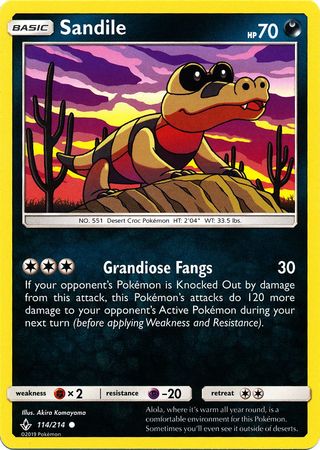
-
Copyright year – Prints in 1999 and 2000 hold more sentimental value.
-
Holofoil pattern – The specific holo style and treatment impacts rarity.
-
Card borders – Vintage Japanese cards have dedicated collectors and value.
-
Expansion symbol – Identifies which original set a card belongs to.
The more you educate yourself on the intricacies of what to look for, the better you’ll get at valuing cards accurately.
Protecting and Grading Cards to Maximize Value
Pulling that super rare Charizard may get you excited, but don’t let dollar signs cloud proper care for your cards! If you plan to re-sell, preserving mint condition makes a huge difference in potential price and demand. Here are some tips:
-
Store cards in protective soft sleeves and top loaders, away from moisture, heat, sun and damage. Avoid touching card faces.
-
Consider having an official grading company like PSA or Beckett authenticate and encapsulate the card with a numeric grade from 1 to 10 mint. This adds security and makes buyers more confident, thereby increasing worth. A Charizard selling raw vs. graded PSA 10 could be a difference of $300 vs $30,000!
-
Be very cautious in selecting a grading company and research their credibility thoroughly first. Costs range from $10 to $100+ per card depending on company, turnaround time and service level. Grading is recommended mainly for vintage cards likely worth $200+.
-
When listing cards for sale either raw or graded, always include high resolution photos showing the front and back conditions. This builds trust.
-
Packaging cards extremely carefully for shipping is a must – use rigid top loaders, cardboard and bubble wrap. Insure!
Above all, cherish this piece of history you hold. There will always be another buyer, but your sentiment is priceless. Take pride in contributing to the living legacy of Pokémon in popular culture.
Honorable Mentions and Hidden Gems
Of course, multiples cards even outside the sets above can draw collector buzz and premium sales given the right conditions:
Pikachu Illustrator – Only 39 copies exist of this Japanese promo. One PSA 10 recently broke records selling for $5.2 million – the highest price ever for a Pokémon card. Truly the Mona Lisa of Pokémon!
Japanese Vending Series – Rare Machamp, Magikarp and other cards distributed in Japanese vending machines in the late 90s have quirky specialty.
Snap Photo Contest Cards – 24 cards produced from photography contest winners for the Pokémon Snap N64 game are obscurities that get attention.
World Championship 2000 Tropical Meowth – This trophy promo card handed to winners at the 2000 World Championships reportedly only has 10 to 50 copies accounting for its extremely limited availability and popularity among rarities collectors.
The key is always looking beyond the standard sets for unique treasures. While less consistent, uncovering an oddball promo or distribution anomaly taps into the thrill of the hunt as a collector.
Modern Sets and The Long Play
The above guide focuses squarely on vintage sets for good reason – they should be the priority for investment value. That said, budget-friendly modern Pokémon cards can still be fun to collect, enjoyable to play, and may accrue value decades down the road.
Recently sets like Hidden Fates (2019), Shining Fates (2021), and anniversary collections like Celebrations (2021) have seen frenzied demand partially driven by social media influencers and nostalgia. Cards like Charizard VMAX and Umbreon VMAX in high grades have sold for solid prices. But the frenzy is guaranteed to subside over time as supply increases.
For modern sets, take a long view approach of 10-20 years and cherry-pick chase cards sparingly rather than going all in on booster boxes. Consider:
-
Brilliant Stars (2022) has an appealing Lugia VSTAR that may hold cultural significance long term.
-
Silver Tempest (2022) checks Poké-culture boxes with Trainer Gallery subset chase cards.
-
Fusion Arts (2022) will remain popular for its Mew VMAX.
The value trajectory becomes far less clear for sets past ~2010. I‘d argue scarcity and nostalgia for the 1999-2005 cards simply cannot be replicated or exceeded for sheer collector fanfare in the decades ahead. But you never know what niches may emerge!
At the end of the day, approach modern collecting first and foremost out of personal enjoyment over speculative investing. You’ll likely recoup some value down the road through ups and downs – just don’t expect 64,000% returns akin to 1st Edition Base Set booster boxes. Moderation and selectivity help balance collecting passion with shrewd value.
Conclusion
Thanks for taking this nostalgic walk down Pokémon memory lane with me! As you’ve seen, cards from the earliest Pokémon TCG sets over 1999-2005 unequivocally offer the highest potential long-term value and upside for collectors to focus on. Iconic chase cards like 1st Edition Base Set Charizard remain the stuff of legend.
But don’t forget the core appeal of collecting – reconnecting with childhood, enjoying the strategic gameplay, and embracing the thrill of cracking fresh booster packs. If you have any other topics you’d like covered, let me know! I’m always happy to share insights with fellow Pokémon collectors. Gotta collect ‘em all!