
Why Are Dogs‘ Noses Wet? A Veterinarian‘s Perspective
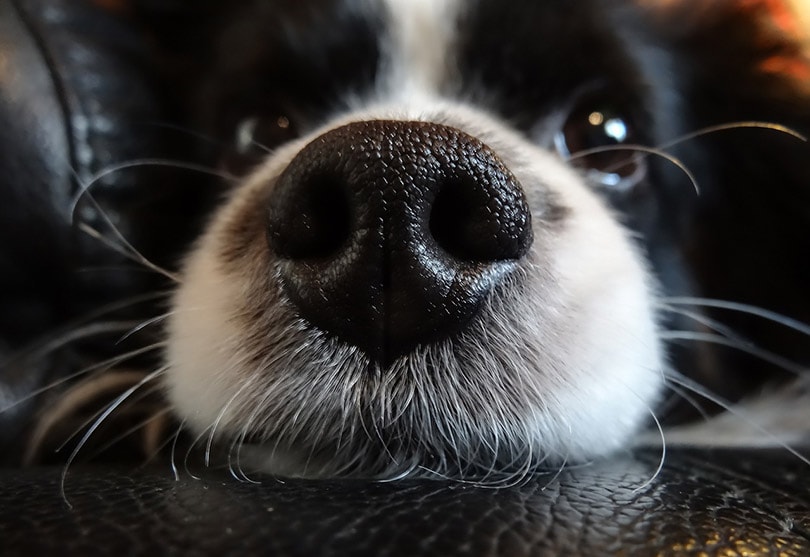
As a dog lover and veterinarian, I‘m constantly amazed by the incredible capabilities of our canine companions. From their unwavering loyalty to their goofy antics, dogs bring joy and wonder into our lives in countless ways. But of all their endearing traits, perhaps none is quite as iconic as the cold, wet nose that greets us with every enthusiastic hello.
Have you ever stopped to wonder why dogs‘ noses are almost always damp and chilly compared to our own? As it turns out, there‘s a fascinating biological explanation behind this phenomenon that goes far beyond simple cuteness. In this article, we‘ll dive snout-first into the science of wet doggy noses and explore what they can tell us about a dog‘s health and well-being.
The Anatomy of a Canine Nose
To understand why dogs‘ noses are wet, we first need to appreciate the intricate structure and function of this remarkable organ. A dog‘s nose is a true marvel of evolutionary engineering, designed to detect and process an astounding array of scents with unparalleled precision.
The exterior of a dog‘s nose is covered in a soft, textured surface called the rhinarium. This moist, spongy tissue is riddled with tiny ridges and dimples that help trap and dissolve scent molecules. Beneath the surface, a complex network of blood vessels and mucus glands work to keep the nasal passages lubricated and primed for sensory reception.
Dogs also possess a specialized organ called the vomeronasal organ (VNO), located just above the roof of the mouth. The VNO is particularly sensitive to pheromones and other chemical signals that play a vital role in canine communication and behavior.
But what truly sets the canine nose apart is its sheer olfactory power. While humans have around 6 million olfactory receptors, dogs can have up to 300 million, depending on the breed. This gives them an sense of smell that is 10,000 to 100,000 times more acute than our own. To put that in perspective, if we were to unroll and lay flat all the scent receptors in a dog‘s nose, they would cover an area equivalent to a small tea towel!
The Evolutionary Advantages of a Wet Nose
So why did dogs evolve to have such moist and sensitive noses? The answer lies in their ancestral heritage as skilled hunters and scavengers. For wild canids like wolves and foxes, a keen sense of smell is essential for tracking prey, locating mates, and navigating their environment. A wet nose confers several key advantages in this regard:
-
Enhanced scent detection: The thin layer of mucus on a dog‘s nose helps dissolve and transport scent molecules to the olfactory receptors, increasing their ability to detect and distinguish between different odors. This is why dogs are often used in search and rescue operations, drug detection, and other scent-based work.
-
Improved heat detection: Recent studies suggest that the moisture on a dog‘s nose may also help them detect subtle heat signatures from prey animals or other objects in their environment. This thermal sensing ability is similar to the infrared vision of snakes and bats, and may give dogs an added edge when tracking or hunting.
-
Efficient respiratory function: The nasal passages play a critical role in regulating the temperature and humidity of inhaled air before it reaches the lungs. The moist mucus lining helps filter out dust, pollen, and other irritants while also preventing the delicate respiratory tissues from drying out.
-
Scent-based communication: Dogs rely heavily on scent to communicate with each other and interpret their social world. The VNO allows them to detect and process pheromones, chemical signals used to convey information about reproductive status, emotional state, and individual identity. A wet nose helps facilitate this scent-based language by providing an optimal surface for pheromone absorption and transmission.
How Dogs Keep Their Noses Wet
Now that we understand the importance of nasal moisture for dogs, let‘s explore the various ways they maintain this vital dampness:
-
Mucus production: The mucus glands in a dog‘s nose continuously secrete a clear, slippery substance that keeps the nasal passages moist and lubricated. This mucus also helps trap and remove foreign particles, acting as a first line of defense against respiratory irritants.
-
Nasal sweating: Unlike humans, dogs have very few sweat glands on their bodies. However, they do possess specialized glands on the surface of the nose that produce a watery secretion. This "nasal sweat" helps regulate body temperature and contributes to overall nose moisture.
-
Licking: As any dog owner knows, our furry friends are prone to licking their noses with great frequency and enthusiasm. This behavior serves several purposes, including cleaning the nose, spreading mucus evenly across the surface, and potentially aiding in scent processing by transferring molecules to the VNO.
Interestingly, the amount of nasal moisture can vary depending on a dog‘s breed, age, and individual physiology. Some dogs naturally have wetter noses than others, while older dogs may experience a gradual drying out of the nose as they age. Environmental factors like temperature, humidity, and hydration levels can also affect nose moistness on a day-to-day basis.
Is a Wet Nose a Sign of Health?
One of the most persistent myths about dog health is that a wet, cold nose indicates a healthy pup, while a dry, warm nose means illness. In reality, the moisture level of a dog‘s nose is not a reliable indicator of overall health. Many perfectly healthy dogs may have temporarily dry noses due to factors like sleep, dehydration, or exposure to heat.
However, sudden or persistent changes in nasal texture or moisture, especially when accompanied by other symptoms, can sometimes signal an underlying health issue. Here are some common nasal conditions to watch out for:
-
Nasal hyperkeratosis: This condition, which causes excessive dryness, crusting, or cracking of the nose, is more common in certain breeds like Labrador Retrievers and Bulldogs. It can be caused by a variety of factors, including autoimmune disorders, chronic sun exposure, and nutritional deficiencies.
-
Nasal discharge: While a small amount of clear nasal discharge is normal, excessive or discolored mucus can indicate infection, inflammation, or obstruction of the nasal passages. Yellow, green, or bloody discharge should always be evaluated by a veterinarian.
-
Nasal tumors: Although relatively rare, tumors of the nasal cavity can cause a range of symptoms, including nasal discharge, sneezing, nosebleeds, and facial deformity. These growths may be benign or malignant and often require advanced imaging and biopsy for diagnosis.
-
Allergic rhinitis: Just like humans, dogs can suffer from allergic inflammation of the nasal passages triggered by environmental irritants like pollen, dust, or mold. Symptoms may include sneezing, nasal discharge, and itchiness around the face and ears.
If you notice any concerning changes in your dog‘s nasal appearance or discharge, it‘s always best to consult with your veterinarian. They can perform a thorough physical exam and recommend appropriate diagnostic tests or treatments based on your dog‘s individual needs.
Caring for Your Dog‘s Nose
As a responsible dog owner, there are several steps you can take to keep your furry friend‘s nose in tip-top shape:
-
Ensure adequate hydration: Providing plenty of fresh, clean water is essential for maintaining healthy nasal moisture levels. Encourage your dog to drink frequently, especially during hot weather or after exercise.
-
Monitor nasal appearance: Make a habit of regularly examining your dog‘s nose for any signs of dryness, cracking, or abnormal discharge. If you notice any concerning changes, contact your veterinarian for guidance.
-
Protect from the elements: Limit your dog‘s exposure to extreme temperatures, wind, and direct sunlight, which can cause nasal dryness and irritation. Consider using a pet-safe sunscreen on light-colored or sparsely furred noses to prevent sunburn.
-
Avoid harsh chemicals: When grooming or cleaning your dog, be careful not to get soap, shampoo, or other irritants on the sensitive nasal area. If your dog‘s nose does become excessively dry or crusty, consult with your vet before applying any moisturizing products.
-
Promote natural moistening behaviors: Encourage your dog to engage in activities that stimulate nasal moisture production, such as sniffing, licking, and chewing on appropriate toys or treats.
By following these simple guidelines and staying attuned to your dog‘s unique needs, you can help ensure that their remarkable nose remains healthy and functional for years to come.
The Bottom Line
The wet, cold nose of a dog is more than just an endearing trait – it‘s a vital sensory organ that plays a critical role in their overall health and well-being. From enhancing scent detection to facilitating communication and protecting the respiratory tract, nasal moisture is essential for dogs to navigate and interpret their world.
As dog lovers and veterinarians, it‘s our responsibility to appreciate and safeguard this incredible feature of our canine companions. By understanding the science behind wet noses, monitoring for any abnormal changes, and providing appropriate care and attention, we can help our furry friends stay happy, healthy, and ready to take on the world – one sniff at a time.
So the next time your dog greets you with a cold, wet nose, take a moment to marvel at the wonder and complexity of this amazing organ. And remember, while a dry nose isn‘t necessarily cause for alarm, any persistent changes should always be checked out by a knowledgeable veterinarian. With a little TLC and a lot of love, you can help keep your dog‘s nose in sniff-tastic shape for years to come!


