Why Do Dogs Die Under Anesthesia? A Veterinarian Explains
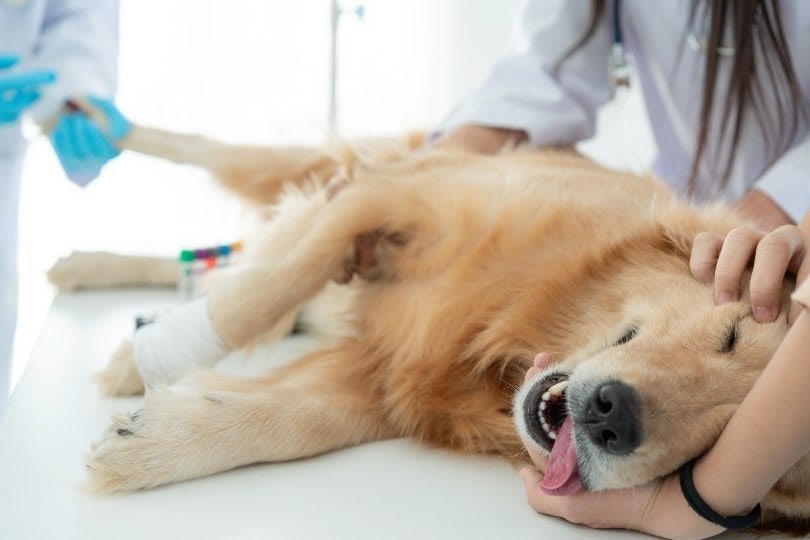
As a veterinarian and lifelong dog lover, I know firsthand how special the human-canine bond is. We view our dogs as cherished family members and would do anything to keep them safe. That‘s why the thought of losing a dog under anesthesia is so devastating. Questions haunt the owner‘s mind: Why did it happen? Could I have prevented it somehow? Is it my fault?
I wish I could assure you that anesthetic death in dogs is a thing of the past. But while it is thankfully now quite rare, it will never be zero. If you have lost a beloved canine companion while they were under anesthesia, I want you to know that you aren‘t alone in your grief. By exploring the reasons why dogs die under anesthesia, I hope to provide some measure of understanding and reassurance during this painful time.
How Common Are Anesthetic Deaths in Dogs?
When I graduated from veterinary school 30 years ago, the risk of anesthetic death in dogs was around 0.1%, or 1 in 1,000 patients. But as anesthesia protocols, monitoring equipment, and safety measures have dramatically evolved, the risk has gone down substantially.
A 2008 study of over 70,000 dogs found an overall anesthetic mortality rate of 0.17%, but that included animals undergoing major emergency surgeries. For healthy dogs undergoing elective procedures like spays and neuters, the death rate was just 0.03%, or 3 in 10,000.
More recent data from large veterinary teaching hospitals paints an even brighter picture:
| Study Years | Total Dogs | Anesthetic Deaths | Mortality Rate |
|---|---|---|---|
| 2010-2013 | 8,087 | 6 | 0.07% |
| 2015-2019 | 12,534 | 5 | 0.04% |
As you can see, the odds of a healthy dog dying under anesthesia with an experienced veterinary team are now quite low. In fact, the risk of your dog being killed in a car accident is over 10 times higher than the risk of anesthetic death. But statistics are of little comfort when it‘s your dog that falls into that rare percentage. Let‘s look at the potential factors that can lead to an adverse anesthetic event.
What Causes Anesthetic Complications?
Anesthesia is essentially a drug-induced state of reversible unconsciousness. By selectively depressing the central nervous system and relaxing the muscles, it allows veterinarians to perform surgery and other procedures without pain or awareness for the patient.
However, those same drugs also impair cardiovascular, respiratory, and thermoregulatory functions to varying degrees. An animal under anesthesia can‘t control its own blood pressure, breathe on its own, or maintain its body temperature without careful support and monitoring.
"Anesthesia is never completely safe for any patient, animal or human," explains Dr. Rebecca Johnson, a board-certified veterinary anesthesiologist. "There will always be that exceedingly rare patient who has an unexpected drug reaction or undiagnosed health condition. Our goal is to minimize those risks as much as possible through thorough patient assessment, tailored drug protocols, and continuous monitoring."
Some of the most common anesthetic complications in dogs include:
-
Hypotension: Low blood pressure decreases oxygen delivery to the brain, heart, kidneys and other vital organs. This is more likely in dogs with pre-existing heart disease, dehydration, blood loss, or distributive shock.
-
Arrhythmias: Irregular heartbeats can progress to cardiac arrest if not promptly corrected. Breeds like Doberman Pinschers, Boxers, and Greyhounds may be predisposed to certain ventricular arrhythmias under anesthesia.
-
Hypoventilation: Shallow or slow breathing leads to increased carbon dioxide levels and inadequate oxygen in the bloodstream. Brachycephalic breeds and dogs with laryngeal paralysis are at higher risk.
-
Hypothermia: A drop in core body temperature is extremely common under anesthesia, especially in small, thin, or geriatric patients. Severe hypothermia impairs heart and lung function.
-
Aspiration: If the airway reflexes are depressed, dogs can inhale saliva, vomit, or water into their lungs. This is part of why we fast patients prior to anesthesia.
Top Reasons for Anesthetic Mortality
In analyzing cases of dogs who died during or shortly after an anesthetic procedure, a few risk factors commonly emerge:
-
Underlying disease: Many anesthetic deaths aren‘t caused by the anesthesia itself, but rather an undiagnosed health condition like cardiomyopathy, pancreatitis, or certain cancers. Even a thorough pre-anesthetic exam and labwork can‘t always detect subclinical disease.
-
Emergency surgeries: When a dog needs major surgery for a traumatic injury, bleeding mass, or abdominal sepsis, their odds of surviving the anesthesia are substantially lower. The shock, pain, and organ dysfunction they‘re already experiencing make anesthesia riskier.
-
Age: Dogs under 12 weeks and over 15 years have higher anesthetic death rates, often due to an immature or weakened cardiovascular system. The risk of death in a healthy geriatric dog is still quite low with proper precautions, but it‘s higher than a young adult.
-
Breed: Giant breed dogs like Great Danes and Mastiffs are more sensitive to anesthetic drugs and tend to take longer to recover. Brachycephalic breeds have anatomical airway abnormalities that increase the risk of breathing complications. Sighthounds have unique metabolisms that affect drug processing.
-
Duration: The longer a dog is under anesthesia, the greater the odds of complications arising. Monitoring often becomes less vigilant during the recovery phase as well. A 2012 study found that 47% of canine anesthetic deaths occurred during the post-operative period.
-
Human error: Although exceedingly uncommon, mistakes in drug dosing, IV catheter placement, or endotracheal intubation can potentially lead to tragedy. Momentary lapses in anesthetic monitoring may also miss early signs of patient deterioration. This is why having a dedicated, trained anesthetist is so crucial.
Dr. Courtney Baetge, a criticalist at the University of Minnesota‘s veterinary hospital, has witnessed several fatal anesthetic events over her career. "In each case, it was utterly devastating for the owner and a true gut-punch for the whole medical team. You feel like you‘ve failed that animal on the deepest level, even if there wasn‘t anything else you could have done."
Sometimes, as in Baetge‘s experience, a clear cause for the patient‘s death can‘t be determined even on necropsy. It‘s presumed that the dog had an underlying arrhythmia or metabolic derangement that wasn‘t detectable until the anesthesia drugs depressed their compensatory mechanisms. As a veterinarian, it‘s profoundly unsatisfying not to have answers. But for the owner, that ambiguity can make the loss even harder to process.
How Anesthesia Has Become Safer for Dogs
Thirty years ago, the standard canine anesthetic protocol was a high dose of injectable barbiturates followed by a potent gas anesthetic like halothane. Patient monitoring often consisted of just hands-on assessments and maybe an EKG.
My, how things have changed! With the advent of safer, more predictable anesthetic drugs, advanced multi-parameter monitoring equipment, comprehensive training for technicians, and evidence-based safety protocols, the risk of anesthetic death is now exceedingly low for healthy patients.
Some of the main advancements in veterinary anesthesia include:
-
Balanced protocols: By using lower doses of multiple different classes of sedatives, analgesics, and anesthetics, we achieve the same plane of anesthesia with less cardiovascular and respiratory depression. Think a carefully crafted cocktail vs. a sledgehammer.
-
Inhalant anesthetics: Newer gas anesthetics like sevoflurane and isoflurane are much less metabolically taxing and allow for quicker patient wake-ups compared to their predecessors. Most clinics now use sophisticated calibrated vaporizers to deliver a constant, controlled percentage of inhalant.
-
Local and regional blocks: Long-acting local anesthetic injections, epidurals, and dental nerve blocks are routinely used in conjunction with general anesthesia. They provide targeted pain control, lessening the amount of systemic drugs needed.
-
Advanced monitoring: Modern anesthesia monitors continuously track multiple vital parameters like EKG, blood pressure, carbon dioxide, oxygen saturation, temperature, and anesthetic gas levels. This helps the anesthetist detect and address any physiologic changes in real-time.
-
Dedicated support staff: Having a skilled veterinary technician solely focused on the anesthetic case is now the standard of care. They‘re trained to troubleshoot equipment, titrate drug doses, adjust fluid rates, and intervene if complications arise. Many large hospitals also have board-certified veterinary anesthesiologists overseeing protocols.
-
Proactive warming: Because hypothermia is so common and detrimental under anesthesia, clinics now employ various warming devices like forced air blankets, heated surgery tables, warm water blankets, and IV fluid warmers. The goal is to maintain a normal body temperature throughout the perioperative period.
-
IV fluid support: Running intravenous fluids during anesthesia helps maintain blood pressure, replace lost fluids, and provide circulatory support for the heart and kidneys. In healthy patients, this further reduces the risk of dangerously low blood pressure.
-
Airway management: The vast majority of dogs under anesthesia are now intubated with a cuffed endotracheal tube and provided supplemental oxygen. This protects the airway, allows us to provide ventilatory support if needed, and ensures a steady supply of inhalant anesthetic.
Dr. Christine Egger, a board-certified anesthesiologist and professor at the University of Tennessee‘s College of Veterinary Medicine, emphasizes the role of thorough patient assessment. "Tailoring the anesthetic plan to each individual patient‘s signalment, temperament, procedure, and health status is key. There‘s no one-size-fits-all protocol."
Egger also stresses the importance of vigilant monitoring throughout the entire perioperative period. "Close to half of anesthetic deaths actually occur during recovery. Detailed anesthetic records noting vital signs every 5 minutes should continue until the patient is fully awake and stable."
Peer-reviewed research has shown that adhering to the AAHA Anesthesia Guidelines for Dogs and Cats, which emphasize these evidence-based safety protocols, reduces the risk of life-threatening complications by over 75%. While anesthetic mortality will never be completely eliminated, it‘s reassuring to know that the veterinary field is continually refining best practices.
What You Can Do as a Dog Owner
Although you aren‘t the one administering the anesthetic drugs or monitoring the vital signs, you still play a crucial role in keeping your dog safe during a procedure.
Some steps you can take to be proactive:
-
Keep your dog fit and healthy. Obesity is a major risk factor for anesthetic complications, as is dental disease. Feeding a balanced diet, keeping your pup active, and brushing their teeth can go a long way.
-
Disclose your dog‘s full history. Be sure to tell your vet about any health issues, prior drug reactions, or quirks in your dog‘s personality that could affect their anesthetic plan.
-
Get pre-anesthetic bloodwork. This simple test can detect hidden organ dysfunction or electrolyte abnormalities that make anesthesia riskier. It‘s a must for dogs over 7 years old and highly recommended for any dog undergoing an elective procedure.
-
Follow fasting instructions. Most clinics recommend withholding food (but not water) after 10pm the night before anesthesia to minimize the risk of aspiration. Give medications as directed by your vet.
-
Ask about safety protocols. Find out who will be monitoring your dog, what parameters they‘ll be tracking, and how they‘ll keep your dog warm. Don‘t hesitate to voice any concerns.
-
Consider referral to a specialty hospital. If your dog has significant heart, lung, or kidney disease, it may be worth having the procedure done at a large referral center with a board-certified anesthesiologist and criticalist on staff. They have extensive experience anesthetizing very high-risk patients.
Coping with Anesthetic Loss
Sadly, even when all precautions are taken, that extremely rare anesthetic death can still occur. It often leaves the owner reeling with shock, disbelief, and misplaced guilt.
Maybe if I had gotten the dental cleaning done sooner… Was my dog scared? In pain? Did he feel abandoned? What if I had gone to a different vet clinic?
I want to assure you that your dog‘s death was not your fault. You made the loving choice to pursue a procedure or treatment that you felt would improve their health and comfort. There was no way for you or the vet team to predict such a rare tragic outcome.
Your dog was surrounded by people who cared for them, monitored them closely, and did everything in their power to save them when things went wrong. They were not in pain or aware as they slipped away.
Grief and guilt are a natural part of losing a cherished pet. Be kind to yourself as you process this devastating loss. Seek the support of understanding friends, family, and online pet loss groups. Consider preserving your dog‘s memory with a paw print cast, favorite photo, or donation to an animal rescue group in their name.
When you‘re ready, don‘t be afraid to reach back out to your vet. They‘re grieving too and want to support you however they can, whether that‘s providing more medical details, suggesting memorial ideas, or simply listening with compassion.
The Future of Veterinary Anesthesia
As a veterinarian, my sincerest hope is that anesthetic mortality in dogs eventually becomes a thing of the past. While no procedure will ever be 100% risk-free, cutting-edge research and technologies continue to make anesthesia safer each year.
Some exciting advancements on the horizon:
- 3D printing of customized airway devices for brachycephalic and toy breed dogs to minimize intubation trauma
- Closed-loop target controlled infusion systems to automatically adjust drug doses based on physiologic parameters
- Functional brain imaging and EEG monitoring to better assess anesthetic depth and prevent intraoperative awareness
- Transesophageal echocardiography to monitor heart function in real-time and guide fluid therapy decisions
- Selective ATP-sensitive potassium channel agonists to provide cardioprotection and minimize reperfusion injury
- Bioabsorbable antibacterial sutures and wound dressings to reduce the risk of surgical site infections
Of course, no cutting-edge gadget can replace a competent and attentive anesthesia team. Continuing education and certification for technicians, along with more anesthesia training in the veterinary student curriculum, is key to minimizing human error.
More informed pet owners will also drive positive change, demanding safer practices and referral to specialty centers when warranted. Together, we can relegate anesthetic death to the history books and give our beloved canine companions the gold standard of anesthesia care they deserve.
Key Takeaways
-
In healthy dogs, the risk of dying under anesthesia is less than 1 in 2000 and continues to decrease each year.
-
Most anesthetic deaths are caused by an undiagnosed disease, while a small number are due to human error or surgical complications.
-
Modern safety protocols like IV fluids, pain medications, dedicated anesthetic monitoring, and thorough pre-anesthetic assessments have made anesthesia very low risk for healthy patients.
-
As a dog owner, you can lower your dog‘s anesthetic risk by keeping them fit, providing a thorough medical history, opting for pre-anesthetic bloodwork, and following your vet‘s instructions.
-
Losing a dog under anesthesia is utterly devastating, but it‘s not the owner‘s fault. With time and support, it‘s possible to grieve that loss with grace.
Although anesthetic mortality will never be zero, I‘m inspired by the advancements I‘ve seen over my career that have made it a truly rare event. I dream of a day when no dog owner has to experience this shattering loss and every canine patient wakes up from their procedure a little bit healthier than before.