Why is My Dog Throwing Up White Foam? A Veterinarian Explains
As a dedicated dog parent, you know how upsetting it is to see your furry family member vomit. While all dog vomit is unpleasant, many owners find vomit that looks like white foam or froth especially concerning. What could be causing this foamy vomit? When is it a sign your pup needs to see the vet urgently?
I‘m a veterinarian with a decade of experience treating all kinds of sick dogs. I‘m also a lifelong dog lover who knows firsthand how worrying dog vomit can be. In this article, I‘ll explain the common causes of white foamy vomit in dogs, help you determine when a vomiting dog needs veterinary care, and share my tips for settling an upset canine stomach at home. Armed with this knowledge, you‘ll be ready to help your dog the next time they throw up white foam.
What is the White Foam in Dog Vomit?
To understand why your dog is vomiting white foam, it helps to know what this foam actually is. The foamy appearance is created when saliva, mucus, and air are mixed together as the vomit is rapidly expelled from the mouth and esophagus. The white color tells us the vomit probably doesn‘t contain much partially digested food, which tends to be brown or yellow. Some dogs will bring up a small amount of pure white foam, while others will have larger volumes of vomit that is white and frothy.
Occasionally, white foam vomit will be tinged with a bit of yellow or green. This indicates the presence of bile, a digestive fluid that is naturally produced in the liver and stored in the gallbladder. A little bit of bile in the vomit isn‘t a concern, but frequent vomiting of bile can be a sign of liver or gallbladder disease.
Why Do Dogs Throw Up White Foam?
Now that you know what the white foam is, let‘s dive into the most common reasons why dogs vomit this frothy white substance.
1. Bilious Vomiting Syndrome
One of the top causes of white foamy vomit in dogs, especially if it occurs first thing in the morning on an empty stomach, is bilious vomiting syndrome (BVS). With BVS, dogs vomit up bile and frothy white foam when their stomach has been empty for a prolonged period, like overnight.
Here‘s what happens: Bile and stomach acid are normally secreted into the stomach to help digest food. If the stomach is empty, there is nothing for these fluids to break down. The bile and acid can irritate the stomach lining, stimulating the vomit reflex. Up comes white foamy vomit, sometimes accompanied by a small amount of yellow bile.
The good news is that BVS is easy to prevent by changing your dog‘s feeding schedule. If your dog throws up white foam in the morning, try offering a small meal or treat right before bed so their stomach isn‘t empty for so long overnight. You can also try splitting their daily food amount into three or more smaller meals spaced throughout the day instead of one or two large meals.
2. Eating Grass
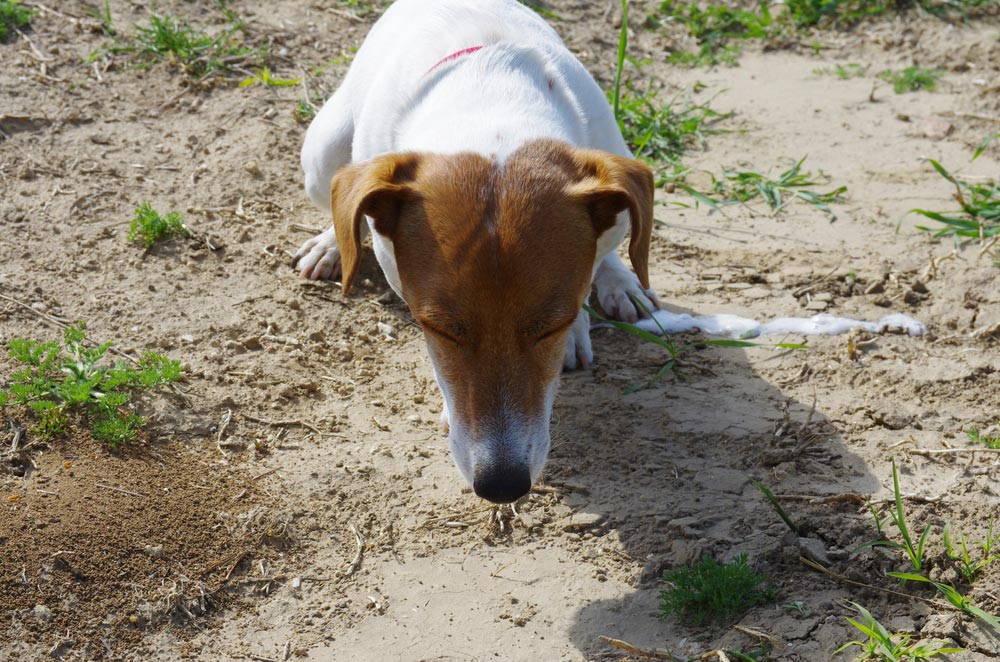
Many dogs vomit white foam after eating grass. In fact, a 2008 study from the University of California, Davis found that 68% of dogs eat grass on a daily or weekly basis, and 22% of those dogs regularly vomit afterwards. The vomit produced after grass eating is often white and foamy, especially if the stomach was empty.
No one knows for sure why dogs are compelled to eat grass. One theory is that dogs instinctively eat grass to stimulate vomiting and soothe an upset stomach. Another is that some dogs simply enjoy the taste or texture of grass, especially young spring grass.
For most dogs, occasionally vomiting white foam after eating grass isn‘t a cause for concern as long as they are otherwise acting normal. However, eating grass can sometimes be a sign of an underlying health issue, especially if it becomes a frequent behavior or is accompanied by other digestive symptoms like diarrhea, reduced appetite, or weight loss. If your dog eats grass and vomits more than once a week, it‘s a good idea to discuss it with your vet.
3. Upset Stomach or Indigestion
Stomach irritation from eating the wrong thing is a common cause of white foam vomiting in dogs. Officially called acute gastritis, an upset stomach can happen if a dog eats something that doesn‘t agree with them, has a sudden change in diet, eats too quickly, or ingests a foreign object.
When the stomach lining is irritated and inflamed, it produces excess mucus and saliva. This appears as white foam when the dog vomits. The irritation also triggers the vomit reflex to try to clear out whatever is bothering the stomach.
For a mild upset stomach, withholding food for 12-24 hours is often effective (make sure to still offer water in small amounts frequently to prevent dehydration). After the fast, offer a bland diet of boiled white rice mixed with boiled lean chicken or turkey for a few days before gradually transitioning back to the regular diet. Avoid fatty additions like butter or gravy, which can further irritate the stomach.
4. Infectious Disease
Infectious diseases, especially respiratory infections, are a sneaky cause of white foam vomiting that many owners don‘t expect. The most common culprit is kennel cough, a highly contagious infection caused by a mix of viruses and bacteria. The main symptom of kennel cough is a harsh, hacking cough that sounds like a goose honk. Some dogs with kennel cough also vomit up white foam.
Vomiting happens with respiratory infections when mucus and secretions drip down the back of the throat and are swallowed. This phlegm irritates the stomach and triggers the vomit reflex. The vomit appears as white foam, sometimes flecked with mucus.
Kennel cough is extremely contagious and easily spread in places where dogs gather like boarding kennels, daycares, dog parks, and grooming salons. It often resolves on its own, but it can progress to pneumonia in high-risk dogs like puppies, seniors, and those with a weakened immune system. If your dog has been coughing and throwing up white foam, a visit to the vet is in order. They may need antibiotics if a bacterial infection is present.
Other infectious diseases like parvovirus, distemper, and intestinal parasites can also cause vomiting in dogs, although the vomit tends to be yellow or brown instead of white and is accompanied by additional symptoms like diarrhea, lethargy, and fever. These infections can be life-threatening, so prompt veterinary care is crucial.
5. Something More Serious
Thankfully, the vast majority of dogs who throw up white foam don‘t have a serious underlying disease. However, there are some critical conditions that can cause white foam vomiting. Identifying these quickly can help you get your dog life-saving treatment.
Bloat (GDV): Bloat, or gastric dilatation and volvulus, is a life-threatening condition where the stomach fills with air and twists on itself, cutting off blood circulation. Unproductive retching and vomiting white foam are often one of the first signs. You may also notice a swollen hard belly, restlessness, rapid breathing, and collapse. GDV requires emergency surgery – if you suspect bloat, take your dog to the closest open animal hospital immediately.
Pancreatitis: Pancreatitis is inflammation of the pancreas, the organ that produces digestive enzymes. Vomiting is a hallmark sign, and the vomit may appear white and frothy or have a yellowish tinge. Other symptoms include loss of appetite, abdominal pain, diarrhea, and weakness. Some dogs develop life-threatening systemic inflammation and need intensive hospitalization. If pancreatitis is suspected, bloodwork and an abdominal ultrasound are used to make the diagnosis.
Foreign Body Obstruction: When a dog swallows something it shouldn‘t, like a toy, rock, bone, or article of clothing, it can get stuck in the esophagus, stomach, or intestines causing a blockage. Vomiting, often with white foam, is a common sign of an obstruction, especially if it happens repeatedly and the object was consumed more than a few hours ago. Foreign bodies require urgent surgery to remove the object before the intestines rupture and leak infectious material into the abdomen.
Toxin Ingestion: Some substances are poisonous to dogs and can cause vomiting if eaten. Depending on the specific toxin, the vomit may be white and foamy, especially if it was consumed on an empty stomach. Common culprits include human medications, xylitol, chocolate, grapes/raisins, alcohol, and certain houseplants like lily, sago palm, and pothos. If you think your dog may have ingested something toxic, call an animal poison control hotline immediately for advice. They can let you know if you need to take your dog to the emergency hospital for decontamination and treatment.
When to See The Vet for Your Dog‘s Vomiting
As a general rule, any dog that vomits repeatedly or has additional symptoms like lethargy, diarrhea, pain, or loss of appetite should see the vet. Puppies, seniors, and dogs with preexisting health conditions should be seen after even one or two vomiting episodes, as they can become dehydrated much faster.
Other signs that your vomiting dog needs veterinary attention include:
- Vomiting that lasts more than 24 hours
- Vomit containing blood (may look bright red or dark brown like coffee grounds)
- Inability to keep down water
- Suspected ingestion of a foreign object or toxin
- Concurrent symptoms like seizures, collapse, or disorientation
When you take your dog to the vet for vomiting, be prepared to share the following information:
- When the vomiting first started
- How many times your dog has vomited
- What the vomit looks like (color, consistency, contents)
- If your dog is also having diarrhea
- How your dog is acting – Are they lethargic? In pain? Refusing food?
- If they could have eaten anything unusual – table scraps, trash, a toy, etc.
The vet will start with a full physical exam to check your dog‘s vital signs, hydration status, abdominal pain level, and overall health. They may also recommend diagnostic tests like bloodwork, x-rays, or an abdominal ultrasound to check for underlying diseases or obstructions.
Treatment depends on the diagnosis, but may include:
- Anti-nausea medication
- Fluid therapy for dehydration
- A bland prescription diet
- Deworming medication for intestinal parasites
- Endoscopy or surgery to remove a foreign body
- Hospitalization and supportive care for severe pancreatitis or other illness
At-Home Care for Vomiting Dogs
For dogs with a mild upset stomach and no other symptoms, you can try supporting them at home with a bland diet. Start by skipping one meal to let the stomach rest and recover (don‘t fast puppies for more than 12 hours). Make sure to offer small amounts of water frequently during this time to prevent dehydration.
After the fast, offer small portions of a homemade bland diet three to four times a day for two to three days. A simple recipe is 75% white rice and 25% lean protein like boiled boneless skinless chicken breast or ground turkey. You can also use low-fat cottage cheese or plain canned pumpkin. Avoid adding fats like butter, oil, or gravy.
Once your dog has kept down the bland diet for two to three days, start mixing in their regular food a little bit at a time. Go slowly to allow the gut time to readjust to the normal diet. If vomiting resumes at any point, stop feeding and call your vet for advice.
In addition to a bland diet, it‘s a good idea to encourage your dog to rest and take it easy for a few days after a vomiting episode. Overexertion and bouncing around could cause additional stomach upset. Stick to short leash walks and hold off on trips to the dog park until they are fully back to normal.
If your vet prescribed an anti-nausea medication for your dog, make sure to give it as directed. These medications work by blocking the vomit reflex in the brain. The most common options are maropitant (brand name Cerenia) and metoclopramide. Never give your dog human anti-nausea meds like Pepto-Bismol or Dramamine unless instructed to by your vet, as some of the ingredients can be harmful to canines.
The Bottom Line
Seeing your beloved dog vomit is always disconcerting, especially when the vomit looks like white foam. In many cases, this type of vomiting is caused by a mild stomach upset that can be managed at home with a short fast and a bland diet. However, there are some serious conditions like bloat, pancreatitis, and intestinal obstruction that can also cause white foam vomiting. It‘s important to monitor your dog closely and see the vet if the vomiting persists or is accompanied by other symptoms.
As a veterinarian, my goal is to empower dog owners with the knowledge to take the best possible care of their canine companions. I hope this article has given you a clearer understanding of the common causes of white foam vomiting and equipped you with the tools to help your dog feel better fast. Remember, when in doubt, it‘s always safest to have your dog checked out!
References
- Bjone, S. J., Brown, W. Y., & Price, I. R. (2007). Grass eating patterns in the domestic dog, Canis familiaris. Recent Advances in Animal Nutrition in Australia, 16, 45-49.
- Willard, M. D. (2014). Digestive System Disorders. In R. W. Nelson & C. G. Couto (Eds.), Small Animal Internal Medicine (5th ed., pp. 367-500). Elsevier.
- Savigny, M., & Macintire, D. K. (2010). Use of oseltamivir in the treatment of canine parvoviral enteritis. Journal of Veterinary Emergency and Critical Care, 20(1), 132-142.
- Tams, T. R., & Rawlings, C. A. (2011). Small Animal Endoscopy. Elsevier Health Sciences.
- Kalli, I., Leontides, L. S., Mylonakis, M. E., Adamama-Moraitou, K., Rallis, T., & Koutinas, A. F. (2010). Factors affecting the occurrence, duration of hospitalization and final outcome in canine parvovirus infection. Research in Veterinary Science, 89(2), 174-178.