Wild Dogs as Pets: Fascinating, But Not for Everyone

For animal lovers seeking an unusual companion, a dog with a wild side may seem appealing. Wolves, foxes, coyotes, dingoes, and other untamed canine species have an undeniable allure, but is owning a wild dog really all it‘s cracked up to be? While there‘s no denying the beauty and mystique of wild dogs, keeping one as a pet is a serious responsibility not to be taken lightly. Let‘s take a closer look at some common wild dogs kept as pets, the challenges of owning one, and why a domestic dog might be a better option for most households.
What Wild Dogs Are Kept as Pets?
The most common wild dogs kept as pets are various species of wolves, foxes, and coyotes, as well as hybrids of these animals bred with domestic dogs. Dingoes, jackals, African wild dogs, New Guinea singing dogs, and crab-eating foxes also occasionally find their way into private homes.
Wolves and Wolfdogs
Wolf and wolfdog ownership has seen a surge in popularity in recent years. Researchers estimate there are over 250,000 wolfdogs (wolf x domestic dog hybrids) kept as pets in the United States alone, making them by far the most common wild dog hybrid (Willems et al. 2022). While they may look striking, even wolves raised in captivity retain most of their wild instincts and behaviors.
"Many wolfdog owners are attracted to the idea of owning a ‘piece of the wild‘ but aren‘t prepared for the realities of caring for an animal that is more wolf than dog," says Stephanie Johnson, director of the Yamnuska Wolfdog Sanctuary in Alberta, Canada. "We get several calls a month from owners looking to surrender their wolfdogs when they become too much to handle."
Wolf and wolfdog ownership laws vary by state and even county or city. As of 2021, 15 states ban all wolfdog ownership, 12 states allow ownership with permits, and the remaining states have no restrictions (NAIA). Even where legal, wolfdogs require an experienced owner and a commitment to providing a massive secure enclosure, specialized diet, and an outlet for their natural behaviors.
Foxes
Foxes, especially red foxes and fennec foxes, are another popular wild dog in the exotic pet trade. While smaller than wolves, they are still substantially larger than domestic "toy" breeds, with red foxes weighing 15-30 lbs (Voigt & Macdonald 2022) and fennec foxes weighing 2-4 lbs (Lacey 2021).
Breeders have begun selectively breeding foxes in an attempt to create a more tame and "domestic" version, but they are still a far cry behaviorally from domestic dogs. The famous Russian fox domestication experiment, while groundbreaking, took over 50 generations of intensive selective breeding to produce foxes that behaved similarly to dogs (Trut 2021). Pet fox breeders have not replicated this level of selection for tameness.
Fennec foxes in particular are trendy on social media for their adorable oversized ears and small size. But experts warn they are extremely high-energy, easily stressed by changes in routine, and very prone to biting. All fox species are also highly destructive and smelly, with urine that is nearly impossible to remove from carpets and furniture (Lacey 2021).
Foxes are currently legal to keep as pets in around 20 U.S. states, with a permit required in all but a handful (Born Free USA). The legality of fox ownership in some states only applies to native fox species, not exotics like fennec foxes.
Coyotes and Coydogs
Coyotes and coyote-dog hybrids (coydogs) are less common as pets than wolves and foxes, but ownership is on the rise. Coyotes are found across North America and are increasingly breeding with domestic dogs as human development encroaches on their habitat (Mays 2021).
The genetic influence of dogs has not made coyotes or coydogs suitable pets, however. Coyotes are highly intelligent but also notoriously skittish, and their natural tendency is to avoid humans. When hand-raised, they may bond with their immediate family but remain fearful of strangers. Aggression and biting are a serious risk as they mature (Schwartz 2022).
Even in states where coyotes can be legally kept with proper permits and enclosures, ownership is discouraged by animal welfare and conservation groups. Coyotes do not thrive in captivity and are extremely difficult to re-wild and release if an owner can no longer keep them (Schwartz 2022).
Other Wild Dogs
Several other wild members of the canine family are occasionally kept as pets, including:
-
Dingoes – Wild dogs native to Australia. Legal to own in some states there with a permit, but banned as pets elsewhere. Dingoes are highly independent and retain strong hunting instincts.
-
Jackals – Small wolf-like canines native to parts of Africa, the Middle East, and Asia. Very rarely kept as pets and extremely skittish, even when captive bred.
-
African wild dogs – Also called painted wolves or painted dogs. Pack-living relatives of domestic dogs native to sub-Saharan Africa. Keeping wild dogs is illegal in most African countries.
-
New Guinea singing dogs – Named for their unique howl, these rare dogs are closely related to dingoes and found in the remote highlands of Papua New Guinea. A few hundred are kept in zoos and private collections.
-
Crab-eating foxes – Small, nocturnal canines native to South American forests. They are sometimes bred as exotic pets but are extremely shy and easily stressed in captivity.
While some owners claim success with giving these wild dogs a home, animal behavior experts say they are fundamentally ill-suited to life as pets and their welfare is compromised in a typical home environment (Gartner & Weiss 2018).
Wild Dog vs. Domestic Dog Traits
How do the traits of wild dogs compare to our domestic canine companions? This table illustrates some key differences:
| Trait | Wild Dogs | Domestic Dogs |
|---|---|---|
| Human Socialization | Shy, skittish, aloof | Friendly, social, seeks human interaction |
| Trainability | Low, resistant to training | High, eager to please humans |
| Activity Level | Very high, needs miles of running daily | Varies by breed, most have moderate needs |
| Aggression | High prey drive, territorial, bite risk | Low human aggression (varies by breed) |
| Diet | Carnivorous, need raw/whole prey model | Omnivorous, commercial diets available |
| Health | Prone to parasites, hard to medicate | Routine preventative care, treatable issues |
| Cost | $2500+ for animal, $5000+/yr care | $500-2000 initial, $1000-3000/yr |
Sources: ASPCA, HSUS, Born Free USA, Gartner & Weiss 2018
As this comparison shows, wild dogs require much more specialized care than the average domestic dog and lack many of the traits that make our pet dogs such beloved companions. Even captive-bred wild dogs retain their natural instincts and are not truly "domesticated."
What to Consider Before Getting a Wild Dog
Think you‘re ready to take on a wolf, fox, or coyote as a pet? Not so fast – there are many factors to consider first:
-
Legality. Many cities, counties, and states ban or restrict private ownership of wolves, foxes, and other wild dogs. Regulations vary widely by location. A permit, registration, or specific enclosures may be required even where legal.
-
Space. Wild dogs need much more space than domestic dogs and feel confined in a typical house or yard. Large, secure enclosures with dig-proof fencing are a must. Climbing and jumping abilities far exceed that of domestic dogs.
-
Containment. Wolves and other wild dogs are master escape artists. There are countless stories of pet wolves scaling or digging under fences thought to be secure. An escaped wild dog can pose a serious danger to neighbors, pets, and livestock.
-
Diet. While they are technically carnivores like domestic dogs, wild dogs have more specific nutritional needs and will not thrive on standard kibble or dog food. A raw diet or whole prey is often required.
-
Health. Wild dogs have specific health needs and may not tolerate standard vaccines, parasite preventatives, and medications made for domestic dogs. An exotics vet with experience with wild canines is a must.
-
Behavior. Wild dogs have very different behaviors, body language, and social structures than domestic dogs. They are less trainable and socializable. Many have a high prey drive and are not safe around cats, small dogs, or other pets. Aggression, resource guarding, and dominance issues are common.
-
Sourcing. Captive breeding of wild dogs is still relatively rare, so finding a reputable breeder is a challenge. Many wild dogs kept as pets are actually taken from the wild or are the result of an accidental mating. Avoid supporting the unethical exotic pet trade.
"Wild dogs like wolves and coyotes are not domesticated, even if they are raised as pets," cautions Dr. Aaron Balsam, veterinarian and owner of Exotic Pet Vet Care in Pasadena, CA. "They have specific behaviors that are cute as puppies but problematic in adult animals, like excessive chewing, scent marking, aggression, and escape attempts. Very few owners are truly equipped to meet their needs."
The Reality of Owning a Wild Dog
Even for experienced owners, caring for a wild dog is usually much more like caring for an exotic zoo animal than a domestic pet dog. They often can‘t be kept in the house, taken on walks, or left unsupervised. Social media may make ownership look glamorous, but the reality is not so picture-perfect.
"There‘s a big difference between a dog that just looks wild and a dog that actually is genetically wild," explains Sarah Hodgson, CDBC, CPDT-KA, a certified dog behavior consultant. "Wolves, coyotes, foxes and the like don‘t have the same desire to please humans that our domestic dogs do. They are more independent, aloof, and prone to skittishness or aggression, even when raised in captivity. Very few make good pets."
Wild dogs tend to be destructive and are prone to anxiety if under-exercised or confined. They are more likely to bite or show aggression, especially towards strangers. Children and houseguests are at particular risk.
The average annual cost of caring for a pet wild dog is $5,000-7,000, compared to $1,000-3,000 for a domestic dog (Born Free USA). Expenses include secure enclosures, a specialized raw diet, and extensive enrichment and exercise. Vet bills are also substantially higher, as wild dogs are prone to more health issues and injuries.
From an animal welfare perspective, experts say keeping wild dogs as pets is unethical. "Wild animals have complex physical, psychological and social needs that are extremely difficult to meet in captivity," says Liz Tyson, Programs Director for Born Free USA. "Forcing them into a domestic pet role is detrimental to their wellbeing."
A Tamer Alternative
Still yearning for a dog that‘s a bit untamed? Consider a domestic breed with a more "wild" appearance or that retains some genetic links to its undomesticated ancestors. While they still require plenty of exercise, training and socialization, the following breeds can be a safer alternative to a truly wild dog:
-
"Primitive" breeds like Basenjis, Carolina Dogs, New Guinea Singing Dogs, and Canaan Dogs. These are considered the domestic breeds most closely related to wild dogs genetically.
-
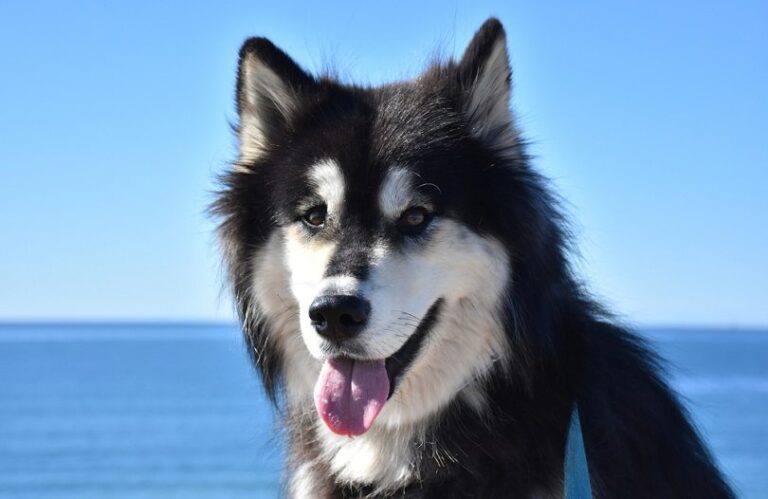
Spitz-type breeds like Siberian Huskies, Alaskan Malamutes, Samoyeds, and American Eskimo Dogs. These breeds resemble wolves and other wild dogs in appearance but have been selectively bred as domestic pets and working dogs for centuries.
-
Pariah dogs like the Indian Pariah Dog and African village dogs. These semi-feral dogs live on the fringes of human settlements across the world and retain some physical and behavioral characteristics of wild dogs.
-
Mixed-breeds, especially those with suspected or known wild dog ancestry. Adopting from a shelter or rescue can provide a loving home to a dog in need while still scratching the itch for a wilder-looking canine companion.
"When you bring home a dog from a shelter or rescue, you often don‘t know exactly what breed or mix of breeds they are, and that‘s okay," says Hodgson. "Giving a deserving domestic dog a second chance can be even more rewarding than seeking out a wild dog for novelty value."
Reputable shelters and rescues temperament test their dogs to ensure they are a good fit for a home environment. They can also provide guidance on a dog‘s expected size, grooming needs, activity level, and other important ownership considerations.
"There are so many wonderful domestic dogs in need of homes," says Marjie Alonso, Executive Director of the International Association of Animal Behavior Consultants. "Adopting a dog from a shelter or breed-specific rescue is a way to save a life while still getting the traits you are looking for in a canine companion."
The Bottom Line
While wolves, foxes, coyotes, and other wild dogs undoubtedly capture our imaginations, they aren‘t a good fit for the vast majority of households. Owning a wild dog involves significant expense, time, and specialized knowledge that most people don‘t have. In almost all cases, a domestic dog carefully selected for your lifestyle is a better option. If you‘re truly passionate about caring for wild dogs, consider volunteering with a sanctuary, rescue, or zoo rather than trying to keep one as a pet. Appreciate their untamed beauty from a distance, and enjoy the companionship of a domestic dog in your home instead.