10 Best Puppy Milk Replacers in 2026 – Reviews & Top Picks
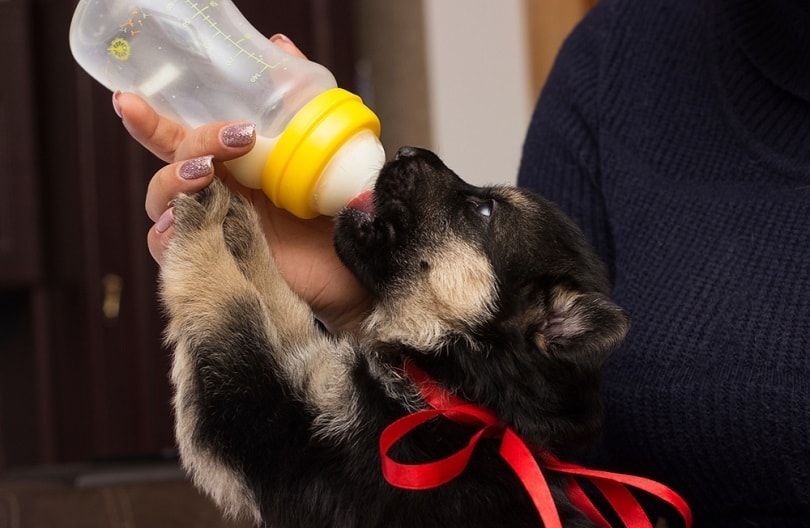
Best Puppy Milk Replacers in 2024 – Reviews & Feeding Guide
For dog lovers, few things are more exciting than a litter of adorable newborn puppies nursing contentedly with their mother. During those first few weeks of life, puppies are completely dependent on their mother‘s milk, which provides them with the perfect balance of nutrients to fuel their rapid growth and development.
But what happens if the mother dog is unable to produce enough milk, becomes ill, rejects the puppies, or experiences some other issue that prevents her from nursing? That‘s where puppy milk replacers can be a lifesaver. Puppy formula is carefully designed to mimic the nutritional composition of canine milk as closely as possible, ensuring the little ones thrive during this critical stage.
In this comprehensive guide, we‘ll review the best puppy milk replacers on the market in 2024, share veterinary advice on picking the optimal formula, and provide expert tips for successful bottle feeding. Let‘s dive in and learn how to give your precious pups the best start possible!
When Are Puppy Milk Replacers Necessary?
There are a number of scenarios where a puppy milk replacer may be needed:
- The mother dog has died, become seriously ill, or is otherwise unable to nurse
- The mother is not producing enough milk to feed the entire litter
- A puppy has been orphaned or abandoned
- The puppy is not nursing well and needs supplemental feeding
- The puppy was born prematurely or has a cleft palate
- You are caring for a rescue litter without the mother
In all of these situations, it‘s crucial to provide a high-quality puppy milk replacer that will meet the little one‘s complete nutritional requirements. Puppies grow rapidly in their first few weeks, and any deficits in their diet during this time can have lasting consequences.
What to Look for in a Puppy Milk Replacer Formula
The best puppy milk replacers are formulated to be as close to the biological mother‘s milk composition as possible. Your veterinarian is the best resource for choosing a formula, but in general, these are the key components to look for:
Protein: Growing puppies have high protein needs to support the development of their muscles, organs, skin, and hair. Look for a formula with a protein content of at least 33% on a dry matter basis.
Fat: Fat is the most concentrated source of energy for puppies and supports the development of their brain and nervous system. A good milk replacer should have a minimum fat content of 40% on a dry matter basis.
Carbohydrates: While not a primary energy source, carbohydrates provide readily-available energy and help with the absorption of other nutrients. Puppies need a minimum of 12% carbohydrates on a dry matter basis.
DHA: An omega-3 fatty acid, DHA (docosahexaenoic acid) is important for brain and eye development. Some of the best formulas are enriched with DHA.
Vitamins and Minerals: A complete and balanced puppy milk replacer should include all the necessary vitamins and minerals in the proper ratios. Key ones to look for include calcium, phosphorus, vitamin D, vitamin E, and B-complex vitamins.
Avoiding Preservatives and Artificial Additives
Just like with human babies, you want to steer clear of any unnecessary additives in your puppy‘s formula. Preservatives like BHA and BHT, artificial colors, and artificial flavors have no place in a young pup‘s diet.
Stick with formulas that rely on natural, whole food ingredients that are minimally processed. While you may pay a bit more, the higher-quality ingredients are worth it for your puppy‘s health.
Liquid vs Powder Formulas
Puppy milk replacers come in both liquid and powder forms. Liquid formulas are convenient and easy to use – simply open the can and pour. However, they have a shorter shelf-life once opened and are more expensive per ounce.
Powdered formulas offer a more economical option and have a longer shelf life when stored properly. However, you do need to mix the powder with warm water to the proper consistency. Some powdered formulas also don‘t mix as easily, potentially leaving clumps.
Both liquid and powdered formulas can work well, so pick the option that works best for your budget and lifestyle. If you go with powdered, we recommend investing in a shaker bottle or small whisk to make mixing easier.
Goat Milk vs Cow Milk Formulas
Most puppy milk replacers are made from either cow‘s milk or goat‘s milk. They are formulated to have a similar protein and fat content to canine milk. However, there are a few differences to note:
Goat milk is often easier for puppies to digest, as the fat globules are smaller and the protein is more readily assimilated. Goat milk also contains more natural prebiotics that support a healthy gut.
On the other hand, cow milk formulas are sometimes more affordable and are still a great option for most puppies. Some may also contain added prebiotics, probiotics, and other digestive enzymes.
Both goat and cow milk formulas can be excellent choices. If you have a puppy with a sensitive stomach, a goat milk variety may be easier on their system. It‘s best to consult with your veterinarian for a specific recommendation.
Our Top Picks for the Best Puppy Milk Replacers
- PetAg Esbilac Goat‘s Milk Esbilac Powder
Pros:
- Made from wholesome goat‘s milk
- Gentle on sensitive stomachs
- No preservatives or artificial additives
- Contains 33% protein and 40% fat to match mother‘s milk
- Nutritionally balanced with essential vitamins and minerals
Cons:
- May not mix as easily as some other powder formulas
- More expensive than cow‘s milk options
- Hartz Powdered Milk Replacer Formula for Puppies
Pros:
- Contains essential fatty acids for brain development
- Enriched with probiotics for digestive health
- Complete and balanced nutrition
- Mixes well with minimal clumping
- More affordable than some other options
Cons:
- Contains a small amount of preservatives (BHT and BHA)
- Some puppies may prefer the taste of goat milk
- PetAg Esbilac Liquid Milk Replacer
Pros:
- Easy to use liquid formula
- Made from cow‘s milk with added vegetable oils
- Provides 33% protein and 40% fat on a dry matter basis
- Nutritionally complete with all essential nutrients
- Can also be used to supplement nursing mothers
Cons:
- Contains trace amounts of BHA preservatives
- Shorter shelf life and more expensive than powdered version
- Royal Canin Babydog Milk
Pros:
- Formulated to match the mother‘s milk of large breed dogs
- Enriched with DHA for brain development
- Highly digestible proteins and prebiotics
- Complete and balanced nutrition
- Ultra-fine powder mixes easily with no clumps
Cons:
- One of the most expensive formulas
- Only comes in powder form
- Best primarily for large breed puppies
- Tailspring Organic Goat Milk Formula
Pros:
- USDA certified organic and non-GMO
- Whole goat milk is the first ingredient
- No preservatives or artificial additives
- Nutritionally balanced with 33% protein and 40% fat
- Added DHA, probiotics, and digestive enzymes
Cons:
- Significantly more expensive than other options
- Only comes in a 16oz jar
Tips for Bottle Feeding Your Puppy
In addition to choosing the right formula, proper preparation and feeding technique is important for preventing digestive upset and ensuring your puppy is getting adequate nutrition. Here are some pro tips:
- Sterilize the bottles and nipples before each use
- Prepare enough formula for 24 hours and store unused portion in the refrigerator
- Warm the formula to body temperature before feeding (around 98°F)
- Feed puppies every 2-4 hours, depending on age
- Feed in an upright position and tilt the bottle to prevent air from getting in
- Encourage burping halfway through and after each meal
- Help your puppy urinate and defecate after feeding
- Monitor your puppy‘s weight and hydration status closely
Your vet can give you more detailed advice on how much to feed based on the puppy‘s breed and weight, and can monitor their growth and development.
When to Transition to Solid Food
By 3-4 weeks old, most puppies are ready to start nibbling on soft food in addition to formula. Canned puppy food or moistened puppy kibble are good options to start. Allow them to eat as much as they want in 10-20 minute sessions.
Over the next few weeks, gradually increase the amount of solid food, adding less and less water to the kibble. Most puppies are fully weaned and eating solid food by 6-8 weeks old. Continue feeding a puppy-specific diet until they reach 80% of their expected adult weight.
The Bottom Line
Newborn puppies have unique nutritional needs and the best way to meet those needs is with their mother‘s milk. However, if the mother is unable to nurse, a high-quality puppy milk replacer can provide those essential nutrients to keep your little ones thriving.
When choosing a formula, look for one with high-quality proteins, fats, DHA, and essential vitamins and minerals. Avoid artificial preservatives and additives whenever possible. Your veterinarian is the best resource for choosing a formula and guiding you through the process of bottle feeding.
With proper nutrition, care, and a lot of love, before you know it your tiny puppies will grow into happy, healthy dogs. Being a puppy parent is a big job, but it‘s also one of the most rewarding things you can do!