Hookworms in Dogs: A Dog Lover‘s Guide to Protecting Your Furry Friend
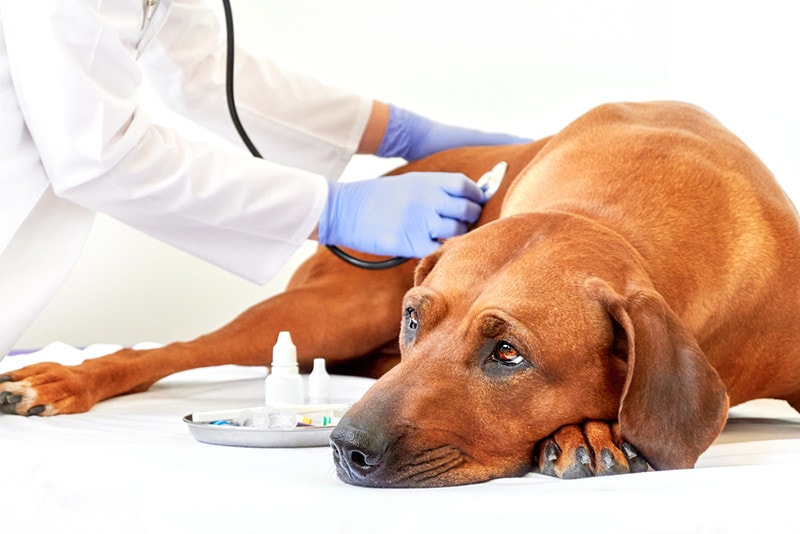
As a dog lover, the health and happiness of your furry friend is always a top priority. While we may spend a lot of time thinking about our dogs‘ food, exercise, and grooming needs, it‘s easy to forget about the microscopic creatures that can cause them harm – namely, parasites like hookworms.
Hookworms are one of the most common intestinal parasites in dogs worldwide, with a prevalence ranging from 20-40% depending on the region and population studied.[^1] These tiny worms can cause big problems for our canine companions, leading to symptoms like diarrhea, weight loss, anemia, and in severe cases, death. As dog owners, it‘s crucial that we understand the risks of hookworm infection and take steps to keep our pets protected.
What are Hookworms?
Hookworms are small, thin worms that live in the digestive tract of dogs and other animals. There are several hookworm species that affect dogs, but the most common ones are Ancylostoma caninum, Ancylostoma braziliense, and Uncinaria stenocephala.[^2] Adult hookworms are only about 1/8" to 1/4" long, so they are rarely seen with the naked eye.
The name "hookworm" comes from the shape of their mouthparts, which have teeth that allow them to attach to the lining of the dog‘s intestines. Once attached, they feed on the dog‘s blood and tissue fluids. A heavy hookworm burden can cause a dog to lose a dangerous amount of blood over time, leading to anemia and malnutrition.
The Hookworm Life Cycle
Understanding the life cycle of hookworms can help explain how dogs become infected and why certain symptoms occur. The life cycle begins when an infected dog passes hookworm eggs in their feces. Under warm, humid conditions, these eggs hatch into larvae in the soil.
The hookworm larvae can infect a new dog host in two main ways:
-
Skin penetration – When a dog walks or lies down on contaminated soil, the larvae can burrow directly into the skin and make their way to the lungs and then the intestines to complete their maturation. This is why itching and redness between the toes or on the belly can be a sign of hookworm infection.
-
Ingestion – Dogs can also ingest hookworm larvae by eating contaminated soil, grass, feces, or even by grooming their paws after walking through an infected area. Hunting dogs may become infected by eating prey animals that carry the parasite.
Once inside the dog‘s body, it takes about 2-3 weeks for the larvae to mature into adult worms and start producing eggs, restarting the cycle. Adult hookworms typically live for 4-24 months in the dog‘s intestines.[^3]
An important feature of the hookworm life cycle is that larvae can go into an arrested state of development, called hypobiosis, where they encyst in the dog‘s body tissues. These larvae remain dormant until conditions are favorable, such as during the dog‘s pregnancy, when they can reactivate and infect the puppies in utero or through the mother‘s milk.[^2] This is why puppies are at high risk for hookworms even if they haven‘t been exposed to contaminated soil.
Hookworm Symptoms in Dogs
The signs of hookworm infection can range from subtle to severe depending on the dog‘s age, immune status, and the number of worms present. Some common symptoms include:
- Diarrhea – Hookworms cause inflammation and bleeding in the digestive tract, leading to loose, bloody, or tarry stools.
- Weight loss and lethargy – Even with a normal appetite, infected dogs may lose weight due to the malabsorption of nutrients and blood loss.
- Anemia – Pale gums, weakness, and breathing changes are signs of significant blood loss from feeding hookworms. Anemia is most severe in puppies and can be life-threatening.
- Poor coat condition – Infected dogs may have a dull, dry hair coat and skin due to the lack of protein and other nutrients being absorbed.
- Coughing – As hookworm larvae migrate through the lungs, they can cause coughing and respiratory issues.
- Skin irritation – Itchy, red bumps or lines on the skin can occur as larvae burrow into the skin, known as "cutaneous larva migrans."
It‘s important to note that some dogs may have hookworms without showing any obvious symptoms, which is why regular fecal testing is recommended even for apparently healthy dogs. This is especially true for puppies, who are the most vulnerable to the effects of hookworms.
Dr. Amanda Wild, a veterinarian at the University of Pennsylvania School of Veterinary Medicine, emphasizes the risks of hookworms for young puppies. "A heavy hookworm burden can cause a puppy to become severely anemic and dehydrated from the diarrhea in a matter of days. It‘s not uncommon for us to see puppies who need emergency blood transfusions and intensive care because of hookworms. That‘s why it‘s so important to deworm puppies frequently and have their stool checked regularly."
Zoonotic Potential of Hookworms
Not only are hookworms dangerous for our dogs, but they can also infect humans. The species Ancylostoma braziliense is the most common culprit in human infections, causing a skin condition called "cutaneous larva migrans" or "creeping eruption."[^4] When hookworm larvae penetrate human skin, they can‘t complete their life cycle like they do in dogs, so they migrate around under the skin and cause red, itchy tracks.
Children who play in contaminated soil or sandboxes without shoes are at the highest risk for hookworm infection. While most cases resolve on their own, the infection can be extremely uncomfortable and may require medical treatment. In rare cases, hookworm larvae have been known to migrate to the intestines or even the eyes in humans.[^5]
To protect both your family and your pets from hookworms, it‘s important to:
- Always wear shoes outside and avoid sitting or lying directly on the ground in areas where pets may have defecated.
- Cover outdoor sandboxes when not in use to prevent them from becoming litter boxes.
- Pick up dog feces promptly from your yard to prevent eggs from hatching in the soil.
- Have your vet check your dog‘s stool sample at least once a year and anytime diarrhea occurs.
Diagnosing and Treating Hookworms
If you suspect your dog may have hookworms based on their symptoms, your veterinarian can diagnose the infection by looking for hookworm eggs during a fecal flotation test. A small sample of fresh stool is mixed with a special solution that causes parasite eggs to float to the top, where they are collected on a microscope slide for identification.
Hookworm eggs have a characteristic oval shape with thin walls. The number of eggs seen can indicate the severity of the infection, but it‘s important to note that hookworms don‘t always shed eggs consistently. For this reason, your vet may recommend re-checking the stool sample a few weeks later, especially in high-risk dogs like puppies and those with a history of infection.
Once diagnosed, hookworm infections are very treatable with deworming medications that paralyze and kill the adult worms. Several drugs are effective against hookworms, including:
- Pyrantel pamoate (Nemex®, Strongid®)
- Fenbendazole (Panacur®)
- Milbemycin oxime (Interceptor®)
- Moxidectin (ProHeart®, AdvantageMulti®)
These medications are typically given orally, either as a liquid, tablet, or flavored chew. Because they only kill adult worms and not the migrating larvae, treatment needs to be repeated 2-4 weeks later to catch any newly matured worms.
In severe cases, additional supportive care may be needed, such as:
- Blood transfusion for severe anemia
- Intravenous fluids to correct dehydration
- Nutritional support, including a high-protein diet
- Antibiotics for secondary bacterial infections
- Anti-diarrheal and anti-nausea medications
Environmental decontamination is also key to preventing re-infection. This includes diligently cleaning up all pet waste in your yard, washing bedding frequently, and considering having your dog wear booties outside if they are prone to reinfection. Letting previously contaminated soil sit untouched for several months can allow time for larvae to naturally die off.
Preventing Hookworms: A Multipronged Approach
As the saying goes, an ounce of prevention is worth a pound of cure, and this couldn‘t be more true when it comes to hookworms. Fortunately, there are several easy steps you can take to greatly reduce your dog‘s risk of infection:
-
Year-round preventatives – Many heartworm prevention products, like Heartgard Plus® and Interceptor Plus®, also protect against hookworms. Giving these chews monthly can stop larvae from maturing into egg-laying adults. Talk to your vet about the best preventative for your dog‘s lifestyle.
-
Regular fecal checks – Even if your dog is on a preventative, it‘s a good idea to have their stool checked at least once or twice a year, and anytime diarrhea occurs. Puppies and high-risk dogs may need more frequent tests. This allows for early detection and treatment before the worms can cause significant damage.
-
Good sanitation – Cleaning up your dog‘s waste promptly, covering sandboxes, and avoiding areas with a lot of feces can help prevent the spread of hookworm eggs in the environment.
-
Strategic deworming – Puppies should be dewormed starting at 2 weeks of age and then every 2 weeks until 8 weeks, then monthly until 6 months.[^6] Pregnant and nursing dogs should also be dewormed to reduce transmission to the puppies. Your vet can recommend a deworming schedule based on your dog‘s age and risk factors.
-
Booties or wipes – If your dog tends to pick up worms easily or you live in an area with a high prevalence of hookworms, consider having them wear booties or wiping their paws with a damp cloth after going outside. This can remove any larvae before they have a chance to burrow into the skin.
-
Flea control – While fleas don‘t directly transmit hookworms, animals that ingest fleas can become infected if the flea is carrying hookworm larvae.[^7] Keeping your dog on a flea preventative can reduce this risk.
A Dog Lover‘s Perspective
As someone who has dealt with hookworms in my own dogs, I know firsthand how stressful and scary it can be to see your furry friend struggling with the symptoms of this parasite. When my Labrador retriever, Luna, was a puppy, she developed severe diarrhea and lethargy seemingly out of nowhere. Tests revealed a heavy hookworm burden, and she ended up needing several rounds of deworming medication and a special diet to recover.
Since then, I‘ve been vigilant about keeping Luna on a monthly preventative and having her stool checked regularly. I also make sure to clean up any waste in our yard right away and avoid walking her in areas with a lot of feces. It may seem like a lot of work, but it‘s a small price to pay for the peace of mind that my dog is protected.
If you‘re dealing with hookworms in your own dog, know that you‘re not alone and that there are effective treatments available. Don‘t hesitate to reach out to your veterinarian for guidance and support. With a little knowledge and effort, we can all work together to keep our furry friends happy, healthy, and hookworm-free.
[^1]: Hookworms in dogs and cats in the United States[^2]: Ancylostoma caninum, Ancylostoma braziliense, and Ancylostoma ceylanicum
[^3]: The Hookworm Handbook
[^4]: Cutaneous Larva Migrans in Travelers: A Case Series
[^5]: Ocular toxocariasis and hookworm infection: a case report
[^6]: Intestinal Parasites in Dogs and Cats
[^7]: Natural infection of Ancylostoma braziliense in a dog and Ancylostoma tubaeforme in a cat