12 Gentle Giant Dog Breeds for Lovers of St Bernards
As a lifelong dog lover and owner of several giant breed dogs, including a St Bernard mix named Beethoven (original, I know), I‘ve always been drawn to the massive size, fluffy coats, and sweet temperaments of gentle giant breeds. There‘s something uniquely wonderful about being greeted by a dog who outweighs you but still thinks he‘s a lapdog!
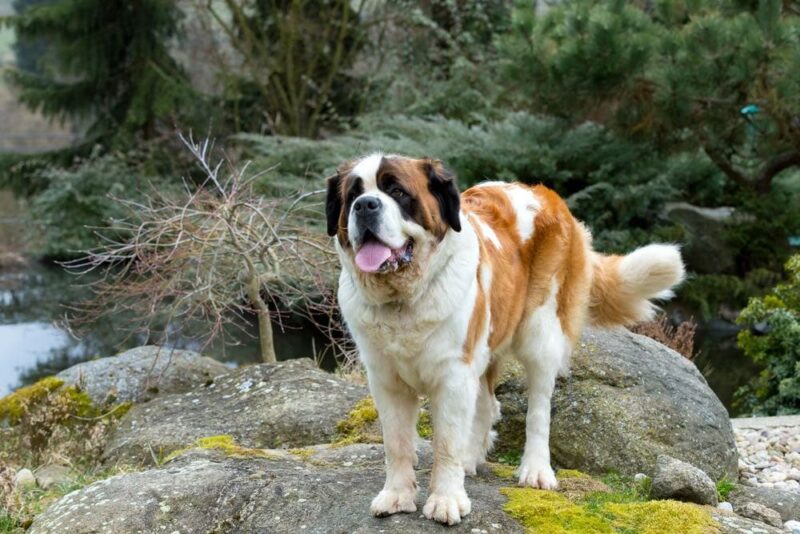
If you‘re considering adding a gentle giant to your family, the iconic St Bernard is a breed that often comes to mind first. And for good reason – these majestic dogs are known for their patient, nurturing dispositions, impressive strength, and, of course, their starring roles in Hollywood hits like the Beethoven movie franchise.
However, as much as I adore St Bernards, I know from experience that their giant size comes with equally supersized responsibilities. These dogs require abundant space, regular exercise, extensive grooming, and a strong commitment to training and socialization. They also have a relatively short lifespan of 8-10 years and are prone to expensive health issues like hip dysplasia, heart problems, and bloat.
So while St Bernards are undeniably lovable, they are not the right fit for every dog lover or living situation. Luckily, there are a number of other giant breeds that share many of the St Bernard‘s most appealing traits while offering their own unique characteristics. As someone who has owned and fostered several of these mighty but gentle breeds, I‘m excited to introduce you to 12 dogs that may steal your heart as thoroughly as a St Bernard!
1. Greater Swiss Mountain Dog
If you love the St Bernard‘s tri-color markings and sturdy build, the Greater Swiss Mountain Dog (aka Swissy) may be your perfect match. These powerful working dogs originated in the Swiss Alps, where they were used for herding livestock, pulling carts, and guarding farms. Today, they excel as devoted family companions, therapy dogs, and even competitors in weight pulling events.
| Male | Female | |
|---|---|---|
| Height | 25-28 inches | 23-26 inches |
| Weight | 115-140 pounds | 85-110 pounds |
| Lifespan | 8-11 years | 8-11 years |
Swissies have a short, dense tricolor coat (black, red, and white) that sheds moderately. They are confident, faithful dogs with gentle, patient personalities, especially with children. Swissies need moderate daily exercise (at least an hour) and thrive with a job to do, even if it‘s just wearing a backpack on a hike. Early socialization is important as they can be aloof with strangers.
Potential downsides include a relatively short lifespan, a tendency to bark, and health issues like hip and elbow dysplasia. Swissies are also prone to weight gain, so portion control is a must. But for active families seeking a loyal, hardworking companion, the Greater Swiss Mountain Dog is a breed well worth considering.
2. Bernese Mountain Dog
Another striking Swiss breed, the Bernese Mountain Dog (Berner for short) looks like a longer-coated, more laid-back relative of the St Bernard and Swissy. These beautiful tri-colored dogs were originally used as all-purpose farm dogs in the canton of Bern, Switzerland. Berners have become popular family pets thanks to their gentle, affectionate nature and patience with children.
| Male | Female | |
|---|---|---|
| Height | 25-27.5 inches | 23-26 inches |
| Weight | 80-115 pounds | 70-95 pounds |
| Lifespan | 7-10 years | 7-10 years |
The Berner‘s long, silky coat requires regular brushing and sheds heavily, especially during seasonal changes. These dogs are mellow and easygoing, content to relax at their owner‘s feet. They bond closely with their families and can be sensitive souls. Berners need moderate exercise – a couple walks or play sessions a day. They enjoy hiking, carting, and romping in the snow.
Sadly, the Bernese Mountain Dog has one of the shortest lifespans of any breed at just 7-10 years. They are prone to hip and elbow dysplasia, cancer, bloat, and heart problems. Berners can also be slow to mature, acting puppy-like until around age 3. Prepare for significant drool as well! But those who have loved a Berner say their sweet devotion is well worth the extra care they require.
3. Great Pyrenees
If a giant white fluffball is more your style, the Great Pyrenees may be your perfect gentle giant. These majestic livestock guardian dogs originated in the Pyrenees Mountains of France and Spain, where they fearlessly protected sheep from wolves and bears. Today, Pyrs still serve as working guard dogs but have also become beloved (if sometimes stubborn) family companions.
| Male | Female | |
|---|---|---|
| Height | 27-32 inches | 25-29 inches |
| Weight | 100+ pounds | 85+ pounds |
| Lifespan | 10-12 years | 10-12 years |
The Pyr‘s weatherproof double coat is solid white or white with markings and requires weekly brushing. These dogs shed heavily, especially during seasonal changes. Pyrs are calm, patient, and tolerant, making them excellent family dogs. They are naturally protective of their flock (human or animal) and can be aloof with strangers.
As independent thinkers bred to work without human direction, Pyrs need firm, consistent training and early socialization. They have a tendency to roam and bark, so a securely fenced yard is a must. Pyrs are not particularly active and are content with moderate daily exercise. Potential health concerns include hip dysplasia, bloat, and eye problems.
4. Newfoundland
Newfoundlands (Newfies for short) are perhaps the most similar in appearance and temperament to St Bernards of all the breeds on this list. These gentle giants originated in Newfoundland, Canada as working dogs used for hauling fishing nets, carrying boat lines to shore, and water rescue. Today, Newfies excel as devoted family companions, therapy dogs, and water rescue dogs.
| Male | Female | |
|---|---|---|
| Height | 28 inches & up | 26 inches & up |
| Weight | 130-150 pounds | 100-120 pounds |
| Lifespan | 9-10 years | 9-10 years |
The Newfie‘s dense, fluffy coat comes in black, brown, gray, and black & white (Landseer) and requires regular brushing to prevent matting. These dogs are famous for their sweet, patient nature and adoration of children. They are calm, trainable, and eager to please. As natural swimmers, many Newfies still compete in water trials today.
Newfies are not particularly active and are content with moderate daily exercise in the form of walks or swims. They do need space to sprawl out for naps and are notorious droolers, so prepare for some mess. Potential health issues include hip and elbow dysplasia, heart problems, cystinuria, and bloat. But Newfie owners say no dog is more loving or devoted.
5. Leonberger
A lesser known but equally impressive giant breed, the Leonberger is a German breed that looks like a cross between a St Bernard, Newfoundland, and a lion – which is no coincidence as these breeds played a role in the Leo‘s development as an all-around working farm dog in the 1800s. Today, Leos excel as versatile family companions, therapy dogs, and water rescue dogs.
| Male | Female | |
|---|---|---|
| Height | 28-31.5 inches | 25.5-29.5 inches |
| Weight | 110-170 pounds | 90-140 pounds |
| Lifespan | 8-9 years | 8-9 years |
The Leo‘s dense double coat comes in lion-yellow, red, red-brown, or sand and requires regular brushing, especially during shedding season. These dogs are gentle giants indeed, known for their friendly, patient, and playful nature with kids. They are sensitive and eager to please, bonding closely with their families.
Leos need moderate daily exercise in the form of walks, hikes, swims, or cart pulling. They do best with a job to do and can excel in obedience, agility, water rescue, and therapy work. Potential health concerns include hip and elbow dysplasia, bloat, and eye problems. Leos also tend to be slow to mature physically and mentally, remaining puppy-like until around age 3.
6. Final Thoughts
As you can see, there are many giant breed dogs that share the attributes that make St Bernards so lovable, from their gentle, patient temperaments to their impressive size and strength to their fluffy coats and drooly faces. Whether you go with a St Bernard or one of these similar gentle giants, you‘ll be welcoming a dog that will quickly become a cherished member of the family.
Of course, owning any giant breed dog comes with significant responsibilities. These big beauties require abundant space, regular exercise, lots of training and socialization, and a strong commitment to their care. Many are prone to expensive health issues and have relatively short lifespans. Grooming, food, and medical bills will be costly. You may go through multiple lint rollers a week and regularly have to wipe drool off the walls!
But as someone who has been lucky enough to share my life with gentle giants, I can attest that all those challenges are well worth the rewards of living with a larger-than-life dog. There‘s nothing quite like the feeling of your own personal polar bear welcoming you home with a full body wag, leaning against you for pets, and reminding you that you are deeply loved.
Whether you choose a St Bernard, Greater Swiss Mountain Dog, Bernese Mountain Dog, Great Pyrenees, Newfoundland, or Leonberger, prepare for your heart to grow a few sizes. And prepare to always have a gentle giant by your side, keeping you safe, making you laugh, and loving you unconditionally. Life is just better with a big dog!
Resources & Further Reading:
- American Kennel Club – St. Bernard Breed Profile
- American Kennel Club – Greater Swiss Mountain Dog Breed Profile
- American Kennel Club – Bernese Mountain Dog Breed Profile
- American Kennel Club – Great Pyrenees Breed Profile
- American Kennel Club – Newfoundland Breed Profile
- American Kennel Club – Leonberger Breed Profile
- National Newfoundland Dog Rescue
- Bernese Mountain Dog Club of America
- Leonberger Club of America