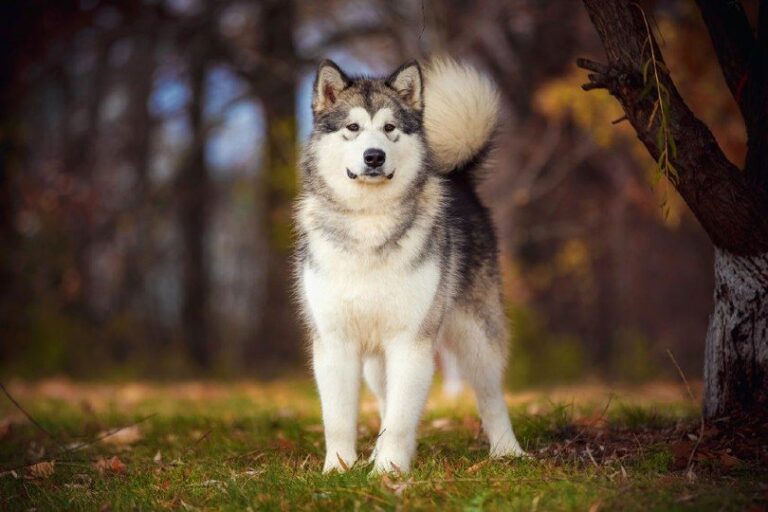
24 Herding Dog Breeds: History, Traits & Pictures

Title: Herding Dog Breeds: Intelligent, Agile, and Devoted Companions
Introduction:
Herding dog breeds have captured the hearts of dog enthusiasts worldwide with their remarkable intelligence, agility, and unwavering loyalty. These extraordinary canines have been bred for centuries to assist humans in managing and controlling livestock, showcasing their innate abilities to navigate challenging terrain, anticipate the movements of animals, and respond to the commands of their handlers. From the iconic Border Collie to the lesser-known Pumi, herding dogs possess a unique set of traits that make them highly sought-after companions and working partners. In this comprehensive blog post, we will delve into the fascinating world of herding dog breeds, exploring their rich history, distinct characteristics, and the vital roles they play in modern society.
The Origins of Herding Dogs:
The history of herding dogs is deeply intertwined with the development of human agriculture and animal husbandry. As early societies began to domesticate livestock, they quickly recognized the value of canine companions in managing and protecting their herds. Over time, various breeds were developed and refined to excel in specific herding tasks, adapting to the unique challenges posed by different types of livestock and terrain.
One of the earliest known herding breeds is the Border Collie, which originated in the border region between England and Scotland. These highly intelligent dogs were bred to work with sheep in the challenging terrain of the British Isles, showcasing their incredible stamina, agility, and ability to navigate steep hills and rocky outcrops. Similarly, the Australian Cattle Dog, also known as the Blue Heeler, was developed in the early 19th century to help manage the vast herds of cattle in the rugged Australian outback.
Other notable herding breeds, such as the German Shepherd, the Belgian Malinois, and the Briard, were developed in continental Europe to assist with various herding tasks, from managing sheep to guarding livestock against predators. Each breed was carefully crafted to possess specific physical and behavioral traits that would enable them to excel in their designated roles.
Traits of Herding Dog Breeds:
While herding dog breeds come in a wide variety of sizes, shapes, and colors, they share several key characteristics that set them apart from other types of dogs. Perhaps the most notable trait of herding dogs is their exceptional intelligence. These dogs are quick learners, able to understand and respond to complex commands and navigate challenging situations with ease. They possess a keen sense of awareness and are highly attuned to their surroundings, making them excellent watchdogs and guardians.
In addition to their intelligence, herding dogs are known for their remarkable agility and stamina. These dogs are built for speed and endurance, with lean, muscular bodies and strong, sturdy legs. They are capable of covering vast distances and navigating difficult terrain, whether it‘s the rolling hills of Scotland or the rugged plains of Australia.
Herding dogs also possess a strong work ethic and an innate desire to please their handlers. They thrive on having a job to do and are happiest when they are actively engaged in a task, whether it‘s herding livestock, participating in dog sports, or learning new tricks. This strong drive to work and please can sometimes manifest as restlessness or destructive behavior if not properly channeled, highlighting the importance of providing herding dogs with ample physical and mental stimulation.
Herding Styles and Techniques:
Herding dogs employ a variety of styles and techniques to manage and control livestock, each tailored to the specific needs of the animals and the terrain. Some breeds, such as the Border Collie and the Australian Kelpie, are known for their "eye" – an intense, focused stare that they use to intimidate and control livestock. These dogs will often crouch low to the ground and use their body language to guide and direct the movement of the animals.
Other breeds, such as the Australian Cattle Dog and the Welsh Corgi, are known for their "heeling" technique, where they nip at the heels of livestock to encourage them to move in a particular direction. This technique is particularly useful for managing larger, more stubborn animals such as cattle.
Some herding breeds, such as the German Shepherd and the Belgian Malinois, are skilled at "tending" or guarding livestock, using their size and protective instincts to keep the herd safe from predators and other threats. These dogs will often patrol the perimeter of the herd, keeping a watchful eye for any signs of danger.
Regardless of the specific style or technique employed, all herding dogs share a common goal – to work in harmony with their handlers to safely and efficiently manage and control livestock.
Training and Socialization:
Given their high intelligence and strong working drive, proper training and socialization are essential for herding dogs to thrive in both working and companion roles. These dogs require consistent, positive reinforcement-based training to learn and respond to commands, as well as ample opportunities to exercise their minds and bodies.
Socialization is particularly important for herding breeds, as their strong herding instincts can sometimes translate into nipping or chasing behaviors directed towards children, other pets, or even vehicles. Exposing herding puppies to a wide variety of people, animals, and environments from a young age can help them learn to distinguish between appropriate and inappropriate targets for their herding behaviors.
Herding dogs also benefit from participation in various dog sports and activities, such as agility, obedience, and herding trials. These activities provide an excellent outlet for their physical and mental energy, while also strengthening the bond between dog and handler.
Herding Dogs in Modern Society:
While many herding dogs still fulfill their traditional roles on farms and ranches around the world, these versatile breeds have also found new ways to contribute to modern society. Many herding breeds, such as the German Shepherd and the Belgian Malinois, are highly valued as police and military working dogs, using their intelligence, agility, and protective instincts to serve and protect human communities.
Herding breeds also excel in various dog sports, such as agility, obedience, and flyball. Their quick minds, athletic bodies, and strong work ethic make them highly competitive in these arenas, and many herding dogs and their handlers have gone on to achieve impressive titles and accolades.
In addition to their working and sporting roles, herding dogs can make wonderful family companions for active households. These breeds thrive on human interaction and are deeply loyal to their families. They are often excellent with children, although their strong herding instincts may need to be managed and redirected to prevent nipping or chasing behaviors.
However, it is important for potential owners to understand the unique needs and challenges of living with a herding breed. These dogs require plenty of daily exercise, mental stimulation, and consistent training to remain happy and well-behaved. They may not be well-suited to sedentary households or those with limited time or space to devote to their care.
Profiles of Popular Herding Breeds:
-
Border Collie: Known as the world‘s most intelligent dog breed, the Border Collie is a medium-sized herding dog with a keen eye and an intense work ethic. Originally bred to herd sheep in the border regions of England and Scotland, these dogs are highly prized for their agility, stamina, and ability to navigate difficult terrain. Border Collies excel in various dog sports and are often used as search and rescue dogs, therapy dogs, and assistance dogs for people with disabilities.
-
Australian Cattle Dog: Also known as the Blue Heeler or Red Heeler, the Australian Cattle Dog is a sturdy, compact herding breed developed in the early 19th century to manage cattle in the rugged Australian outback. These dogs are known for their intelligence, loyalty, and protective nature, as well as their unique "heeling" style of herding. Australian Cattle Dogs make excellent working partners and devoted family companions, but they require plenty of daily exercise and mental stimulation to remain happy and well-behaved.
-
German Shepherd: One of the most recognizable and popular dog breeds in the world, the German Shepherd is a large, muscular herding breed known for its intelligence, courage, and versatility. Originally bred to herd and guard sheep in Germany, these dogs have since found numerous roles in modern society, including police and military work, search and rescue, and assistance dog roles. German Shepherds are highly trainable and thrive on having a job to do, making them excellent working partners and devoted family companions.
-
Belgian Malinois: Often mistaken for a smaller, leaner version of the German Shepherd, the Belgian Malinois is a highly intelligent, athletic herding breed originally developed in Belgium. These dogs are known for their exceptional work ethic, loyalty, and protective instincts, and are highly valued as police and military working dogs. Belgian Malinois require extensive daily exercise and mental stimulation, as well as consistent training and socialization to prevent behavioral issues.
-
Australian Shepherd: Despite its name, the Australian Shepherd is actually an American breed, developed in the western United States to herd livestock on ranches and farms. These medium-sized dogs are known for their striking merle coats, bright eyes, and friendly, energetic personalities. Australian Shepherds excel in various dog sports and make wonderful family companions for active households, but they require plenty of daily exercise and mental stimulation to remain happy and well-behaved.
-
Shetland Sheepdog: Also known as the Sheltie, the Shetland Sheepdog is a small, agile herding breed originally developed in the Shetland Islands of Scotland to herd and guard sheep. These dogs are known for their keen intelligence, gentle nature, and beautiful, long coats. Shelties excel in various dog sports and make wonderful family companions, but they can be sensitive and may exhibit timidity or shyness if not properly socialized.
-
Cardigan Welsh Corgi: One of two distinct Corgi breeds, the Cardigan Welsh Corgi is a small, sturdy herding dog originally bred in Wales to drive cattle to market. These dogs are known for their elongated bodies, short legs, and friendly, outgoing personalities. Cardigan Welsh Corgis are highly intelligent and trainable, and make excellent companions for families with children. However, their strong herding instincts may need to be managed to prevent nipping or chasing behaviors.
Health Concerns and Responsible Breeding:
Like all purebred dogs, herding breeds are prone to certain health issues that can be exacerbated by irresponsible breeding practices. Some common health concerns among herding breeds include hip dysplasia, eye disorders such as progressive retinal atrophy, and neurological conditions such as epilepsy and degenerative myelopathy.
To minimize the risk of these health issues, it is important for breeders to conduct thorough health testing on their breeding stock and follow responsible breeding practices. Prospective owners should also research the health history of their chosen breed and work with reputable breeders who prioritize the health and well-being of their dogs.
Regular veterinary care is also essential for maintaining the health and well-being of herding dogs. These active, hardworking breeds require regular check-ups, vaccinations, and preventive care to stay in top condition throughout their lives.
Adoption and Rescue:
While many herding dogs are purchased from breeders, there are also numerous opportunities to adopt or rescue these amazing breeds from shelters and rescue organizations. Many herding dogs end up in rescue due to their high energy levels and strong working instincts, which can be challenging for unprepared owners to manage.
Adopting or rescuing a herding dog can be a rewarding experience for those who are prepared to meet their unique needs and provide them with the training, exercise, and mental stimulation they require. Prospective adopters should work with reputable rescue organizations that thoroughly assess their dogs and provide detailed information about their health, behavior, and training needs.
Conclusion:
Herding dog breeds are truly remarkable animals, with a rich history and a unique set of traits that set them apart from other types of dogs. From their exceptional intelligence and agility to their strong work ethic and loyal nature, these dogs have captured the hearts of humans for centuries and continue to play vital roles in modern society.
Whether working on farms and ranches, serving as police and military working dogs, competing in dog sports, or simply providing love and companionship to their families, herding dogs are a testament to the incredible bond between humans and canines. By understanding their unique needs and providing them with the training, exercise, and care they require, we can help these amazing breeds thrive and continue to enrich our lives for generations to come.
If you are considering adding a herding dog to your family, be sure to do your research and choose a breed that aligns with your lifestyle and expectations. Work with reputable breeders or rescue organizations, and be prepared to provide your new companion with plenty of love, attention, and stimulation throughout their life. With the right care and training, a herding dog can be an incredibly rewarding and loyal partner, bringing joy and purpose to your life for years to come.