Imperial Shih Tzu: Pictures, Info, Temperament & Care
Imperial Shih Tzu: The Ultimate Guide to This Teacup Companion
Have you ever laid eyes on a dog so tiny and precious it looks like a living, breathing stuffed animal? Chances are, it may have been an Imperial Shih Tzu. Also known as Chinese Imperial Dogs or Tiny Teacup Shih Tzus, these pint-sized pooches are a miniaturized version of the already petite Shih Tzu breed. Bred to be the ultimate lap dog and companion, Imperial Shih Tzus pack a lot of personality and love into their small but sturdy frames.
But before you fall head over heels for these little "lion dogs," there‘s a lot you should know about their origins, traits, care requirements, and potential health concerns. As a veterinarian and dog lover myself, I‘ve put together this comprehensive guide to help you determine if an Imperial Shih Tzu is the right dog for you and your family.
The History of Imperial Shih Tzus
While the Shih Tzu breed dates back to ancient China, where they were treasured by royals, the Imperial Shih Tzu is a much more recent variety. Starting in the 1970s and 80s, some breeders began selectively breeding the smallest Shih Tzus to create an even more miniaturized version of the breed. Their goal was to produce tinier and tinier dogs with the same adorable features and good nature of standard Shih Tzus.
"The demand for teacup-sized dogs really exploded in the late 20th century," says long-time Imperial Shih Tzu breeder Janet Hanson. "People fell in love with the idea of having a puppy that could fit in their pocket or purse. And Shih Tzus, being such wonderful companion dogs, were a natural choice to breed down in size."
However, it‘s important to note that the Imperial Shih Tzu is not recognized as an official breed by major kennel clubs like the AKC. Any Shih Tzu under the breed standard of 9-16 lbs is considered undersized. Reputable breeders focus on health and temperament over hitting an arbitrary small weight.
Appearance and Physical Characteristics
So what exactly is an Imperial Shih Tzu? While there is no strict definition, Imperial Shih Tzus are generally smaller than 8 pounds as adults and stand no more than 8 inches tall at the shoulder. Because they are not a regulated breed, there can be a lot of variation in size, with some adults weighing just 3-4 pounds.
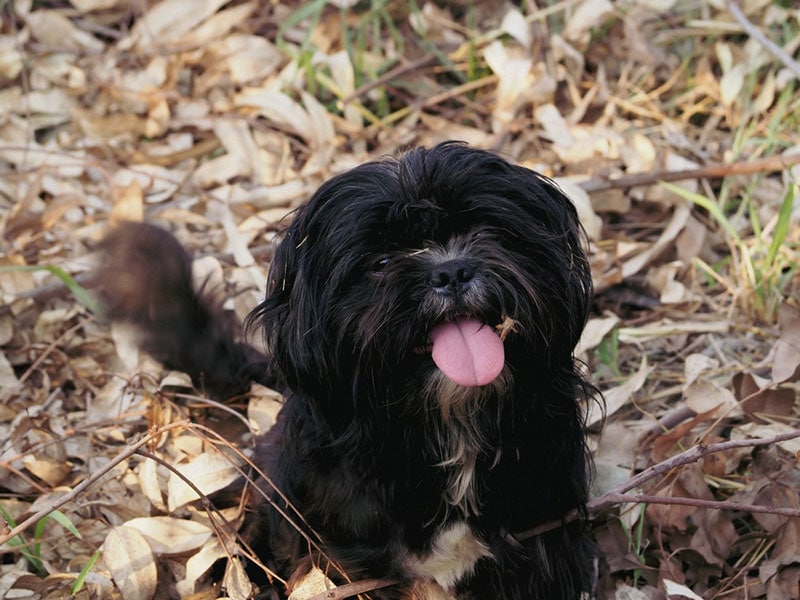
Like standard Shih Tzus, Imperial Shih Tzus have a soft, dense, and long double coat that comes in many colors including black, white, gold, liver, and particolor patterns. They have the same broad, round head, short snout, and big, dark, warm eyes framed by a lot of hair. Their body is compact and solid with a short neck.
When properly proportioned, Imperial Shih Tzus still look like a normal dog but a perfectly shrunken down version. They shouldn‘t appear frail, spindly-legged, or overly delicate. Ethical breeders aim to produce small but hardy and resilient dogs.
Temperament and Personality
Imperial Shih Tzus may be tiny, but they have big hearts and even bigger personalities. Bred solely to be companions, they are deeply affectionate with their owners and become very attached. They love nothing more than being by your side, whether snuggled up on the couch or going on adventures together.
"They may be lapdogs, but they‘re not just lazy lumps," says long-time owner Jessica Torres. "My Imperial Shih Tzu Toby has two speeds – snoozing or zooming around. He‘s very playful and curious but also adapts his energy level to mine."
Some words commonly used to describe Imperial Shih Tzus include:
- Loving
- Loyal
- Outgoing
- Friendly
- Lively
- Alert
- Spunky
- Stubborn
While generally good-natured and gentle, Imperial Shih Tzus can exhibit some "small dog syndrome." Without proper training and boundaries, they may become yappy, snappy, or guarding of their people and territory. Early socialization is important to foster friendliness.
Imperial Shih Tzus make excellent companion dogs for singles, seniors, and families with older children. They tend to be more of a one-person dog but are affectionate with everyone when socialized. With their portable size and adaptable nature, Imperial Shih Tzus do well in any size home including apartments.
Training and Exercise Needs
Don‘t let their size and cute factor fool you – Imperial Shih Tzus still need proper training and daily activity to be well-behaved pets. They can be stubborn and difficult to housebreak, so start training them early and be consistent with positive reinforcement.
As for exercise, Imperial Shih Tzus have moderate needs that are easy to meet. Daily walk of 15-30 minutes plus some indoor playtime is usually sufficient. Take precautions when exercising them outdoors, as they are sensitive to heat and cold. With their short snouts, they can also be prone to breathing difficulties, so avoid overexertion. Mental stimulation through interactive toys and games is just as important as physical activity.
Grooming is a must for this long-haired breed. Daily brushing and combing removes tangles and keeps their coat silky. Many owners like to pull the hair up and away from the face. Regular bathing, ear cleaning, teeth brushing, and nail trims are also needed. Imperial Shih Tzus shed minimally compared to other breeds.
Health and Lifespan
While generally hardy dogs, Imperial Shih Tzus are prone to certain health issues, some related to their small size. These include:
- Dental problems like overcrowding, misalignment, and early tooth loss
- Breathing problems like stenotic nares, elongated soft palate, and tracheal collapse
- Luxating patellas (slipping kneecaps)
- Eye issues like cataracts, corneal ulcers, and dry eye
- Umbilical hernias
- Hypothyroidism
- Allergies
Reputable breeders will conduct health screenings on their dogs to minimize genetic disorders. But no dog is guaranteed problem-free. The best thing Imperial Shih Tzu owners can do is feed a high-quality diet, maintain a healthy weight, keep up with preventative care, and address any issues that arise promptly.
While small dogs tend to live longer than large breeds, the lifespan of Imperial Shih Tzu is a bit of a question mark since they are so new. Generally, expect a range of 10-16 years, with some living into their late teens. The oldest known Shih Tzu lived to be 23!
Finding an Imperial Shih Tzu
If your heart is set on an Imperial Shih Tzu puppy, take your time to find an ethical, responsible breeder. Avoid anyone touting "teacup," "micro," or "tiny toy" puppies or breeding dogs under 4 lbs. Focus on breeders that prioritize health, temperament, and the breed standard – not just small size.
Expect to pay anywhere from $2,000-5,000 for a well-bred Imperial Shih Tzu puppy. While you may find ones advertised for cheaper, they may be poorly bred or not a true purebred Shih Tzu.
Imperial Shih Tzu Myths and Facts
As with any newer or rare dog breed, some misconceptions exist about Imperial Shih Tzus. Let‘s bust some common myths:
Myth: Imperial Shih Tzus are not "real" dogs or are a mixed breed.
Fact: Imperial Shih Tzus are purebred Shih Tzus bred from smaller than average parents. They are simply a size variety, not a separate breed.
Myth: Breeding Imperial Shih Tzus is cruel and causes health problems.
Fact: Ethical breeders of Imperial Shih Tzus focus on health and only breed dogs that meet their standards. Like any dog breed, Imperial Shih Tzus can be unhealthy if irresponsibly bred.
Myth: Imperial Shih Tzus are delicate and shouldn‘t be handled.
Fact: While they are small and should be handled gently, Imperial Shih Tzus are sturdier than they look. Well-socialized ones enjoy attention and interaction.
Myth: Imperial Shih Tzus don‘t need training or exercise.
Fact: Small size doesn‘t mean less work. Imperial Shih Tzus need positive, consistent training and daily activity to be well-rounded pets, just on a smaller scale.
Now that you know the facts about these tiny "lion dogs," you can decide if an Imperial Shih Tzu is your ideal companion. If you‘re looking for a pint-sized best friend to shower you with affection and make a big impact on your life, this might be the pooch for you!