Poodle Personality & Temperament: Understanding the Heart and Mind of This Iconic Breed

Poodles are one of the most instantly recognizable and beloved dog breeds in the world. With their signature curly coats, elegant poise, and reputation as canine Einsteins, poodles have been cherished companions for centuries. But what lies beneath that perfectly coiffed exterior? As a poodle owner and dog lover, I‘ve gotten to know these remarkable animals‘ personalities intimately. In this in-depth guide, we‘ll explore the key traits that define the poodle temperament, from their sky-high intelligence to their sensitive souls. We‘ll also tackle the question on many prospective poodle owners‘ minds: are poodles stubborn?
The Poodle At a Glance
Before we dive into the poodle psyche, let‘s review some key facts about this iconic breed:
- Origin: Germany (despite the common French association)
- Original Purpose: Water retrieving (the famous "poodle clip" was designed to aid swimming)
- Size Variants: Standard (over 15 inches at shoulder), Miniature (10-15 inches), Toy (under 10 inches)
- Coat: Dense, curly, low- to non-shedding, wide range of solid and multi-colors
- AKC Popularity Rank:
- Standard Poodle: 7th
- Miniature Poodle: 13th
- Toy Poodle: 5th
- Lifespan: 10-18 years
Sources: AKC Poodle Breed Standards | AKC Most Popular Dog Breeds 2023
Inside the Poodle Mind: Intelligence and Trainability

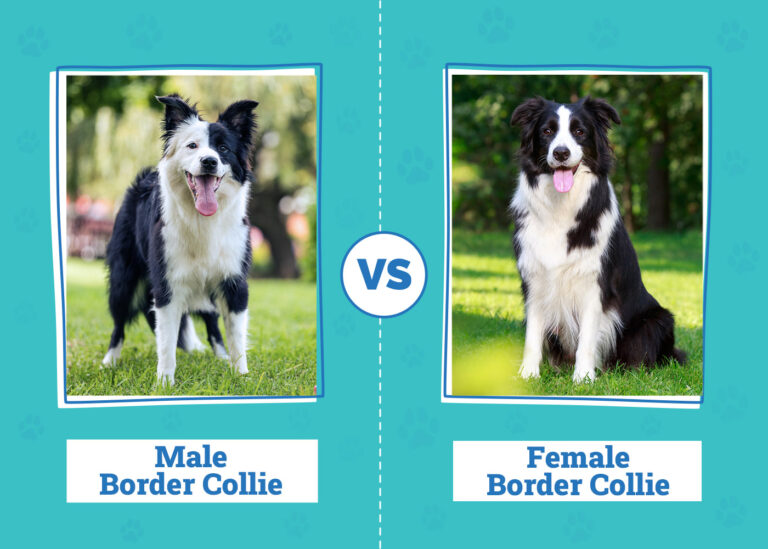
One of the defining characteristics of poodles is their extraordinary intelligence. Poodles are ranked as the second smartest dog breed, just behind Border Collies, according to canine psychologist Stanley Coren. In his book "The Intelligence of Dogs," Coren explains that poodles can learn a new command after just 5 repetitions and obey a known command 95% of the time.
This sky-high intellect, combined with a strong work ethic and eagerness to please, makes poodles highly trainable. They typically excel in obedience and quickly pick up tricks and tasks. However, there‘s a catch: if not provided adequate mental stimulation, poodles can actually outsmart their owners in a way that comes across as stubbornness.
As Susie Aga, a veteran poodle breeder and trainer, explained in our interview: "A poodle‘s mind is always going. If you don‘t give them an outlet, they‘ll create their own fun, and that‘s when you can run into trouble."
The takeaway? A poodle‘s brilliance is a double-edged sword. Harness it through consistent, positive training and plenty of puzzle toys and games, and you‘ll have an obedient, quick-learning companion. Neglect to provide that mental enrichment, and you might just find your poodle outsmarting you at every turn!
The Perpetual Motion Poodle: Activity Level and Exercise Needs

Don‘t let the fancy show cuts fool you – poodles are athletes in disguise. Bred as hunting and retrieving dogs, poodles of all sizes have energy and stamina galore.
According to a 2022 study by the University of Veterinary Medicine, Vienna, poodles have some of the highest exercise needs among all breeds. The researchers recommend that:
- Standard poodles receive 120-150 minutes of exercise daily
- Miniature poodles receive 70-120 minutes of exercise daily
- Toy poodles receive 60-90 minutes of exercise daily
This should include a mix of walks, jogs, games of fetch, swimming (a poodle favorite), and canine sports. Speaking of sports, poodles have a proud history of dominating competitions.
Some notable poodle achievements:
- A standard poodle named Sailor was the 2022 AKC National Obedience Champion
- Miniature poodles have won "Best in Show" at the Westminster Dog Show 3 times
- Toy poodles excel in agility, with several earning the coveted MACH (Master Agility Champion) title
The gist? A tired poodle is a happy poodle. Fail to meet their high exercise needs and you‘ll likely end up with a smart dog channeling their energy into destructive behaviors like excessive barking, chewing, or redecorating your sofa.
The Sensitive Poodle Soul: Affection and Emotional Needs

For all their smarts and athleticism, poodles wear their hearts on their proverbial sleeves. Poodles are deeply emotional dogs who form incredibly tight bonds with their owners.
As poodle owner Jenna Davis shared: "My standard poodle Milo is my shadow. He follows me from room to room and just always wants to be near me. They call it ‘velcro dog syndrome‘ for a reason!"
This devotion is endearing, but it has a dark side – poodles don‘t tolerate being alone for long stretches. They are prone to separation anxiety, which can manifest as:
- Destructive chewing or clawing
- Excessive barking and howling
- Urinating/defecating indoors, even if housetrained
- Frantic pacing
- Attempting to escape the home
According to a University of Lincoln study, 9 out of 10 poodles show some signs of separation distress. It‘s critical for poodle owners to use positive training techniques to build their dog‘s independence and alone-time tolerance gradually.
Poodles are also sensitive in temperament. They don‘t respond well to harsh corrections or an angry tone of voice. Yelling at a poodle is likely to make them shut down or become fearful rather than learn a lesson.
The sensitive poodle soul needs an equally sensitive training approach, one that relies on positive reinforcement, consistency and judicious socialization to build confidence and resilience.
The Aloof Poodle: Stranger Danger or Just Discriminating Tastes?

One trait that surprises some first-time poodle owners is the breed‘s tendency to be standoffish with strangers. Despite their cuddly appearance, poodles can be quite aloof and even suspicious of unfamiliar people.
This reserve is often misread as snobbishness or a lack of friendliness. But according to canine behaviorist Dr. Patricia McConnell, it‘s more a matter of discretion. In her book "The Other End of the Leash," Dr. McConnell writes:
"Poodles are not so much anti-social as they are discriminating. They are deeply devoted to their families but don‘t feel the need to fawn over every new person they meet. They‘re more reserved until they‘ve decided you‘re worthy of their affection."
While poodles make alert watchdogs who will bark to announce visitors, they are rarely aggressive. With proper socialization to a wide variety of people from puppyhood, most poodles learn to accept strangers even if they never become social butterflies.
Poodle Problems: Potential Behavior Issues

As much as we adore them, poodles are not perfect angels. That brilliant mind and sensitive soul can lead to some frustrating behavior problems if a poodle‘s needs aren‘t met. Some common issues include:
-
Excessive Barking: Poodles are notorious alert barkers, quick to sound the alarm at any sight or sound. If bored or anxious, some become incessant yappy machines.
-
Separation Anxiety: As we‘ve mentioned, poodles hate to be left alone and can become destructive or disruptive if not gradually accustomed to solitude.
-
Jumping Up: Poodles are enthusiastic greeters who love to launch their bodies skyward when excited. It‘s cute as a puppy but dangerous in a full-grown standard!
-
Pica (Eating Non-Food Items): Some poodles develop a compulsion to eat objects like rocks, cloth or plastic. This can lead to dangerous intestinal blockages.
-
"Small Dog Syndrome": Miniature and toy poodles who are babied and not given rules can become demanding, stubborn, and even snappish. Even little poodles need consistent training!
Most of these issues can be avoided or resolved with patient training, adequate exercise and mental enrichment, and an understanding of the poodle psyche. But it takes commitment on the owner‘s part.
Poodle Grooming: Not Just a Pretty Face

We can‘t talk poodles without touching on grooming. That glorious curly coat may be low-shedding and great for allergy sufferers, but it comes with intensive upkeep needs. Poodles require:
- Daily brushing to prevent mats and tangles
- Monthly professional grooming to maintain a stylish trim
- Regular nail clipping and ear cleaning to prevent infections
- Dental care to ward off periodontal disease
Neglected poodle coats can develop painful mats, overgrown nails can make walking difficult, and dirty ears are a recipe for constant infections. Grooming isn‘t just for looks – it‘s a key part of poodle health and happiness.
The Perfect Poodle Owner: Is It You?

So, who is the ideal match for a poodle‘s particular blend of smarts, sensitivity, and style? The perfect poodle owner is:
-
Committed to Training: Poodles need consistent positive reinforcement training from day one to become well-mannered companions. A poodle owner must enjoy the training process.
-
Active and Involved: A poodle is not a "leave in the yard" kind of dog. They want to be out and about, participating in family activities and accompanying their owners on all sorts of adventures.
-
Emotionally Attentive: Poodles are heart-on-sleeve dogs who need an owner attentive to their emotional cues. They wither without clear communication and affection.
-
Grooming Tolerant: Unless you‘re a professional groomer yourself, poodle ownership means budgeting for regular grooming to keep that beautiful coat in tip-top shape.
-
Appreciative of Intelligence: A poodle owner must be awed by and accommodating of the breed‘s extraordinary intelligence, always looking for ways to keep that brilliant mind challenged.
If that sounds like you, congratulations – you just might be the perfect poodle match!
The Bottom Line on Poodles
Poodles are complex creatures, blessed with remarkable intelligence, athleticism, and emotional depth. While they may have a reputation in some circles as high-maintenance or even snobby, the reality is that poodles are versatile, deeply devoted companions for the right owner.
Yes, poodles can be strong-willed and even stubborn if their needs for mental stimulation and clear communication aren‘t met. But with positive training, plenty of exercise, and unbridled adoration, most poodles are more than willing to be model canine citizens.
From the poise of the show-ring poodle to the daring of the field-bred hunter to the tenderness of the therapy dog, poodles excel in an astounding array of roles. But perhaps their greatest role is as cherished family member and heart-dog extraordinaire.
To know a poodle is to love a poodle – just ask anyone who‘s been lucky enough to share their life with one of these curly-coated wonders. Their intelligence may impress you, but it‘s their hearts that will truly capture yours.