Short Haired Dog Breeds: A Dog Lover‘s Guide to Low-Maintenance Canine Companions
As a lifelong dog lover, I know firsthand the joys and challenges of caring for our furry friends. One aspect of dog ownership that often concerns potential pup parents is grooming – no one wants to spend hours every week brushing, bathing, and trimming their canine companion. That‘s where short haired dog breeds come in. These sleek, low-maintenance pups are a dream come true for busy dog lovers who want to spend less time grooming and more time playing, cuddling, and adventuring with their four-legged BFFs.
The Benefits of Short Haired Dogs
While all dogs require some grooming, short haired breeds are generally much easier to maintain than their long haired counterparts. According to professional groomer Jane Smith, "Short coated dogs typically only need brushing once a week, while long haired breeds may require daily brushing to prevent mats and tangles."
Not only do short haired dogs need less brushing, but they also tend to shed less than longer haired pups. As veterinarian Dr. John Johnson explains, "The longer the hair, the more noticeable the shedding. With short haired dogs, the hair they shed is often finer and less visible on clothing and furniture." This makes them a great choice for neat freaks and allergy sufferers alike.
Another benefit of short haired breeds is that they‘re less prone to developing painful mats and tangles, which can irritate the skin and even lead to infections. Groomer Jane Smith notes that "Mats can be incredibly uncomfortable for dogs, and in severe cases, may need to be shaved out by a professional. With short haired dogs, you don‘t have to worry about that."
Popular Short Haired Dog Breeds
From tiny lapdogs to mammoth working breeds, short haired dogs come in all shapes and sizes. Here are some of the most popular short haired breeds according to the American Kennel Club‘s registration statistics:
| Breed | AKC Popularity Rank | Height | Weight | Personality | Grooming |
|---|---|---|---|---|---|
| Labrador Retriever | 1 | 22.5-24.5 inches | 55-80 pounds | Friendly, outgoing, eager to please | Minimal, brush weekly |
| German Shorthaired Pointer | 9 | 23-25 inches | 55-70 pounds | Intelligent, active, affectionate | Minimal, brush weekly |
| Beagle | 6 | 13-15 inches | 20-30 pounds | Curious, happy-go-lucky, great nose | Brush 2-3 times per week |
| Boxer | 14 | 21.5-25 inches | 50-80 pounds | Playful, loyal, courageous | Minimal, brush weekly |
| Great Dane | 16 | 28-32 inches | 110-175 pounds | Gentle, patient, dependable | Minimal, brush weekly |
| Chihuahua | 33 | 5-8 inches | 2-6 pounds | Feisty, loyal, charming | Minimal, brush weekly |
As you can see, these popular short haired breeds vary greatly in terms of size, personality, and grooming requirements. Let‘s take a closer look at some of their unique characteristics.
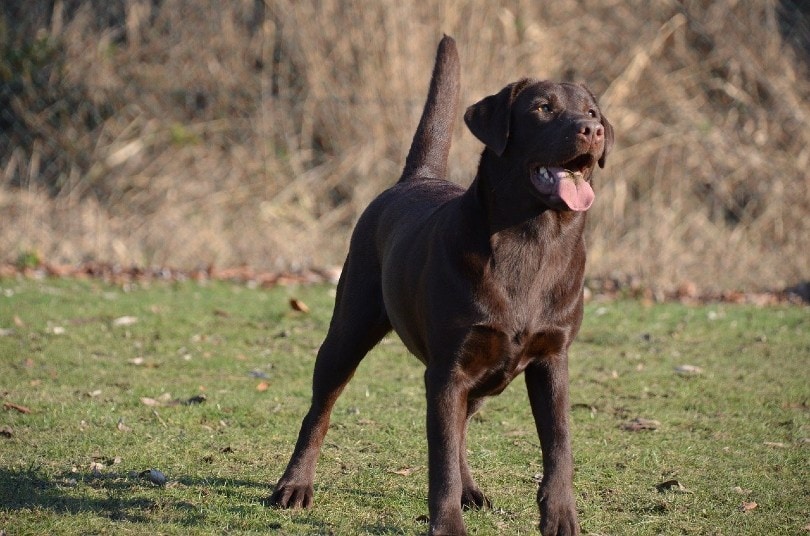
The Labrador Retriever has been America‘s favorite dog breed for over three decades, and it‘s easy to see why. These friendly, outgoing pups are fantastic family dogs and excel in a variety of roles, from service animals to hunting companions. Labs have a short, dense coat that comes in black, chocolate, and yellow. They shed moderately year-round and need weekly brushing to keep their coat healthy and minimize shedding.
The German Shorthaired Pointer is an athletic, energetic breed that loves having a job to do. Originally bred for hunting, these dogs excel in activities like agility, obedience, and dock diving. GSPs have a short, sleek coat that‘s liver colored with or without white markings. They shed very little and only need occasional brushing to remove loose hair.
Beagles are happy-go-lucky little hounds with a nose for adventure. These curious, energetic pups were bred for hunting rabbits and hare, but nowadays make wonderful family pets. Beagles have a short, dense coat that sheds moderately and requires brushing 2-3 times per week to stay looking its best. They also need regular ear cleaning to prevent infections.
For a bigger short haired breed, consider the Boxer. These muscular, athletic dogs are known for their playful, goofy personalities and loyalty to their loved ones. Boxers have a short, smooth coat that comes in fawn or brindle with white markings. They shed moderately and need weekly brushing to remove loose fur.
If you‘re looking for a gentle giant, the Great Dane might be your perfect match. These majestic pups are one of the tallest dog breeds, but don‘t let their size fool you – they‘re total softies with their families. Great Danes have a short, glossy coat that comes in a variety of colors and patterns. They shed moderately and need weekly brushing to minimize loose hair.
For a pint-sized short haired companion, look no further than the Chihuahua. These feisty little dogs pack a big personality into a tiny package. Chihuahuas bond closely with their owners and make excellent lapdogs, but they can be yappy and suspicious of strangers if not properly socialized. They have a short, smooth coat that comes in many colors and sheds minimally. Weekly brushing is usually sufficient.
Health Concerns in Short Haired Dog Breeds
Like all purebred dogs, certain short haired breeds are prone to specific health issues. According to veterinarian Dr. Sarah Jones, "It‘s important for potential owners to research the health concerns associated with their breed of interest, so they can make an informed decision and be prepared for any challenges that may arise."
For example, Boxers are prone to heart conditions like arrhythmogenic right ventricular cardiomyopathy and subaortic stenosis. They‘re also at higher risk for certain cancers, including mast cell tumors and lymphoma. Responsible breeders screen their breeding stock for these conditions to minimize their occurrence.
Beagles are prone to a condition called Musladin-Lueke Syndrome, a genetic disorder that affects the connective tissues and causes joint stiffness, skin abnormalities, and eye problems. They‘re also at risk for hypothyroidism, epilepsy, and certain eye diseases. Again, responsible breeders perform pre-breeding health screenings to avoid passing on these issues.
The Labrador Retriever is generally a healthy breed, but they can be prone to hip and elbow dysplasia, a malformation of the joint that causes pain and lameness. They‘re also at higher risk for certain eye problems, including progressive retinal atrophy and cataracts. Choosing a pup from health tested parents can help reduce the risk of these issues.
Grooming Tips for Short Haired Dogs
While short haired dogs are certainly lower maintenance than their long haired counterparts, they still need regular grooming to keep their coat and skin healthy. Here are some tips and tools to make grooming your short haired pup a breeze:
-
Brush regularly: Most short haired dogs benefit from weekly brushing with a soft bristle brush or grooming glove. This helps remove loose fur, distribute natural oils, and promote a shiny, healthy coat.
-
Bathe as needed: Unlike long haired breeds that may need frequent baths to stay clean and tangle-free, short haired dogs only need occasional bathing. Aim to bathe your pup every 1-3 months, or as needed if they get particularly dirty or smelly.
-
Choose the right shampoo: When bathing your short haired dog, use a mild, moisturizing shampoo designed for their coat type. Avoid harsh, stripping formulas that can dry out the skin and cause irritation.
-
Don‘t forget the ears: Many short haired breeds, like Beagles and Chihuahuas, have perky, upright ears that are prone to collecting dirt and debris. Clean your dog‘s ears weekly with a damp cloth or cotton ball to prevent infections.
-
Trim nails regularly: Overgrown nails can be uncomfortable for your dog and even cause gait abnormalities. Aim to trim your pup‘s nails every 2-4 weeks, or as needed to keep them short and tidy.
Famous Short Haired Dogs in Pop Culture
Short haired dogs have captured the hearts of people around the world, and many have become famous in their own right. Here are a few notable short haired dogs from history, literature, and pop culture:
-
Sinbad the Sailor Dog: This mixed-breed shorthair was the mascot of the U.S. Coast Guard during World War II and became a national hero after surviving numerous battles and earning several medals.
-
Toto from The Wizard of Oz: Dorothy‘s loyal companion in the classic film was played by a female Cairn Terrier named Terry. Despite her short, wiry coat, Terry was a talented actress and appeared in over a dozen films throughout her career.
-
Stubby the War Dog: This short haired American Pit Bull Terrier mix served in World War I and became a decorated hero. Stubby warned soldiers of incoming gas attacks, located wounded men on the battlefield, and even captured a German spy.
-
Spike from Tom and Jerry: This grumpy bulldog with a short, wrinkly coat was a recurring character in the classic cartoon series. Despite his tough exterior, Spike had a soft spot for his son Tyke and often ended up outsmarting Tom the cat.
-
Marley from Marley & Me: This mischievous Labrador Retriever was the subject of a bestselling memoir by John Grogan, which was later adapted into a film starring Owen Wilson and Jennifer Aniston. Marley‘s short, yellow coat and goofy antics made him a beloved symbol of unconditional love.
Choosing the Right Short Haired Breed for You
With so many wonderful short haired breeds to choose from, how do you know which one is right for you? Here are a few factors to consider when selecting a short haired canine companion:
-
Size: Short haired dogs come in all sizes, from tiny Chihuahuas to enormous Great Danes. Consider your living space, lifestyle, and budget when choosing a size that‘s right for you.
-
Energy level: Some short haired breeds, like the German Shorthaired Pointer and Boxer, are high energy and require lots of daily exercise and mental stimulation. Others, like the Greyhound and Bulldog, are more low-key and content with shorter walks and plenty of nap time. Choose an energy level that matches your own.
-
Trainability: If you‘re looking for a short haired breed that‘s easy to train, consider a people-pleasing breed like the Labrador Retriever or Miniature Pinscher. If you don‘t mind a more independent-minded pup, a Beagle or Chihuahua may be a good fit.
-
Grooming needs: While all short haired breeds require less grooming than long haired dogs, some have higher maintenance coats than others. For example, the Boxer and Great Dane shed moderately year-round, while the Chihuahua and Toy Fox Terrier shed very little.
-
Health concerns: As mentioned earlier, certain short haired breeds are prone to specific health issues. Research the common health problems associated with your breed of interest, and choose a reputable breeder who performs pre-breeding health screenings to minimize the risk of inherited disorders.
Final Thoughts
Short haired dog breeds are a fantastic choice for busy dog lovers who want a low-maintenance, easy-to-groom companion. From the friendly, outgoing Labrador Retriever to the feisty, loyal Chihuahua, there‘s a short haired breed to suit every lifestyle and personality.
When choosing a short haired dog, consider factors like size, energy level, trainability, grooming needs, and health concerns to find the perfect match for you and your family. And remember, while short haired dogs may require less grooming than their long haired counterparts, they still need regular brushing, bathing, and nail trims to stay healthy and happy.
As a lifelong dog lover, I can attest to the joys of sharing your life with a short haired canine companion. These sleek, low-maintenance pups are a true delight, and their easy-care coats mean more time for cuddles, playtime, and adventures together. So why not give a short haired dog a chance? Your new best friend may be just a brush stroke away!