The Dog Lover‘s Guide to Choosing a Low-Odor Breed
As a lifelong dog lover, I‘ve always been drawn to the unconditional love and companionship that our canine friends provide. However, I‘ll be the first to admit that the signature "doggy smell" is not for everyone. Some of us prefer our cuddle time without the eau de canine, and that‘s perfectly valid!
If you‘re in the market for a four-legged friend but want to minimize the funk, you‘re in luck. There are a number of dog breeds that are known for being relatively odor-free, thanks to their unique coat types, grooming needs, and other traits.
The Science of Doggy Odor
Before we dive into specific breeds, let‘s take a closer look at what causes that distinctive dog smell in the first place. According to a study published in Applied and Environmental Microbiology, the odor comes from a combination of:
- Sebum: An oily substance secreted by the sebaceous glands in the skin
- Bacteria: Particularly Staphylococcus and Corynebacterium species
- Yeast: Mainly Malassezia species
All dogs produce these substances to some degree, but certain factors can make some breeds more or less prone to being smelly. For example:
- Dogs with minimally-shedding coats (like Poodles and Bichon Frises) tend to trap less sebum, bacteria, and yeast against the skin, leading to less odor.
- Small dogs produce less sebum overall due to their size, which can translate to less smell.
- Breeds with lower grooming needs (like Chihuahuas and Whippets) give bacteria and yeast less opportunity to proliferate in the coat.
With that background in mind, let‘s sniff out some specific breeds known for being on the less-fragrant side.
Top 12 Least Smelly Dog Breeds
1. Basenji
The Basenji is a unique breed in many ways, including its tendency to groom itself like a cat. This helps to keep its short, fine coat free of debris and odor. Basenjis also shed very minimally, with the AKC estimating they lose only a small amount of hair year-round.
Fun fact: The Basenji is sometimes called the "barkless dog" due to its unusual yodel-like vocalizations. So not only will your home be smell-free, it will be relatively quiet too!
2. Bichon Frise
Bichon Frises are often touted as one of the most "hypoallergenic" breeds due to their minimally-shedding coat. While no dog is truly hypoallergenic, the Bichon‘s fluffy white curls do tend to trap less dander and odor than other coats. They do require regular trips to the groomer (every 4-6 weeks) to prevent mats and tangles.
According to the Bichon Frise Club of America, Bichons "do not have the typical ‘doggy odor‘ of other breeds, making them great companions for allergy sufferers."
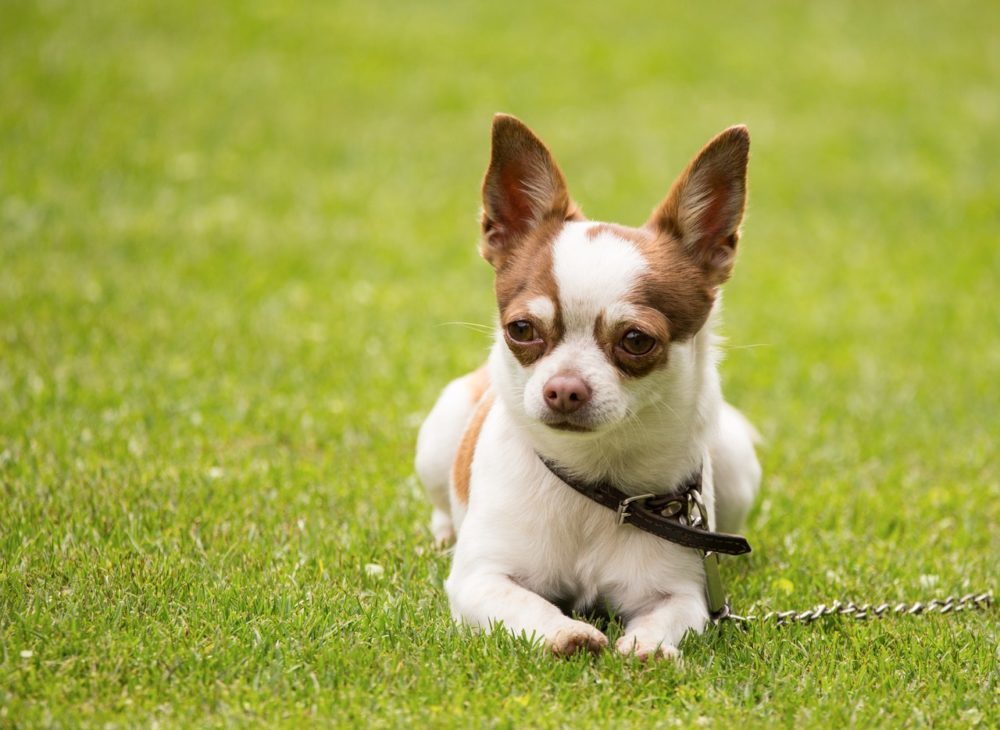
3. Chihuahua
The tiny but mighty Chihuahua is a popular pick for apartment dwellers, and not just because of their compact size (under 6 lbs). Both the smooth and long-coated varieties shed minimally and produce very little odor.
As one Chihuahua owner shared in the Chihuahua People forum, "I‘ve had my chi for 6 years and never noticed any ‘doggy‘ smell from her. I bathe her once a month with a gentle puppy shampoo and brush her twice a week."
4. Havanese
The Havanese is another small breed (7-13 lbs) known for its low-shedding, odor-resistant coat. While they do need regular brushing to prevent mats, Havanese are considered one of the most hypoallergenic breeds by the AKC.
Havanese owner Lisa told me, "I was hesitant to get a dog because I‘m sensitive to smells, but my Havanese barely has any odor, even when wet from a bath. I brush him daily and bathe every few weeks and that‘s enough to keep him smelling fresh."
5. Maltese
Another petite pup, the Maltese weighs in at under 7 lbs and sports a long, silky white coat. While they do need daily brushing and regular baths, Maltese shed very little and are prized for their clean, odor-free coats.
PetMD notes that "Maltese hardly shed and don‘t have the typical ‘doggy‘ odor of other breeds, so they‘re a good choice for people with allergies."
6. Miniature Schnauzer
The Miniature Schnauzer is a spunky little terrier with a dense, wiry coat that sheds minimally. They do need regular clipping (every 6-8 weeks) to maintain their signature bearded look, but are generally low-odor dogs.
Miniature Schnauzer breeder Jane shared, "Schnauzers were originally bred to be ratters, so they have a tough, low-maintenance coat. As long as you keep up with grooming, they don‘t tend to get smelly."
7. Poodle
Perhaps the poster child for low-odor breeds, the Poodle comes in three sizes (Standard, Miniature, and Toy) and is widely considered to be hypoallergenic. Their dense, curly coats shed very minimally but do require regular clipping to prevent mats.
The Poodle Club of America recommends brushing 2-3 times per week and getting a professional clip every 4-6 weeks to keep Poodles looking and smelling their best.
8. Portuguese Water Dog
Portuguese Water Dogs, or "Porties," have a unique single coat made up of tight, low-shedding curls. This coat is thought to be less hospitable to odor-causing bacteria, hence the Portie‘s reputation as a low-odor breed.
The Portuguese Water Dog Club of America advises brushing 2-3 times per week and bathing monthly to keep the coat smelling fresh. Many Portie owners also opt for a "lion clip" which keeps the hair short on the hindquarters for easier maintenance.
9. Shih Tzu
The Shih Tzu‘s long, luscious coat may not seem like a recipe for an odor-free dog, but these little charmers are surprisingly easy to keep fresh-smelling. The key is regular brushing (daily for long coats) and bathing every 3-4 weeks.
Many Shih Tzu owners, like Melissa, opt for a shorter "puppy cut" to simplify grooming: "I keep my Shih Tzu in a puppy cut year-round and it makes a huge difference in terms of odor and shedding. I brush him every other day and bathe every few weeks and he always smells great."
10. West Highland White Terrier
Like other terriers, the West Highland White Terrier (or "Westie") has a dense double coat that sheds minimally. They do need regular clipping or hand-stripping to maintain their tidy appearance, but are generally low-maintenance in the odor department.
The West Highland White Terrier Club of America recommends brushing several times a week and bathing as needed, noting that "a well-groomed Westie is usually odor-free."
11. Whippet
The sleek, short-coated Whippet is a low-maintenance breed all around, including when it comes to odor. A weekly brushing and occasional bath is typically enough to keep these athletic dogs smelling fresh.
Whippet owner Mark told me, "I was drawn to Whippets because they‘re so clean and easy to groom. They rarely need baths and their coat doesn‘t trap odors like other breeds. Plus, they don‘t drool or have doggy breath."
12. Yorkshire Terrier
Yorkies may be small (under 7 lbs) but they boast an impressive coat of long, silky hair. Surprisingly, this coat is considered hypoallergenic and sheds very minimally. However, daily brushing and regular trims are a must to prevent tangles and odor.
The Yorkshire Terrier Club of America advises that "regular grooming is essential to keeping a Yorkie‘s coat healthy and odor-free. Brush daily, bathe weekly, and keep the coat trimmed to a manageable length."
Tips for Keeping Any Dog Smelling Fresh
While the breeds above are naturally less prone to odor, all dogs need some help in the grooming department to stay fresh-smelling. Here are some tips that can apply to any breed:
- Brush regularly (daily to weekly depending on coat type) to remove loose hair, dander, and debris.
- Bathe every 2-4 weeks with a gentle, dog-specific shampoo. Avoid over-bathing which can dry out the skin.
- Clean ears weekly with a vet-approved solution and cotton ball. Waxy buildup can lead to odor and infections.
- Brush teeth several times per week (ideally daily) to prevent bad breath and periodontal disease.
- Use dog-specific grooming wipes between baths to freshen up paws, face, and hindquarters as needed.
- Spritz the coat with a diluted vinegar solution (1 part vinegar to 4 parts water) to help neutralize odors.
- Wash bedding and toys in hot water weekly to kill odor-causing bacteria.
- Feed a high-quality diet to promote healthy skin and coat from the inside out.
- See your vet at the first sign of unusual odor, which could signal skin infections, dental issues, or anal gland problems.
The Bottom Line
As a self-professed dog fanatic, I firmly believe that the joy of dog ownership far outweighs any concerns about odor. However, I also understand the desire to minimize doggy smells whenever possible.
The 12 breeds highlighted here – from the cat-like Basenji to the curly-coated Poodle – are some of the best options for those seeking a low-odor canine companion. Of course, even these "odor-free" breeds need regular grooming and TLC to stay fresh and healthy.
At the end of the day, the best way to keep doggy odor at bay is to choose a breed that fits your lifestyle and commit to a consistent grooming routine. By providing your pup with the care they need to thrive, you‘ll be rewarded with a lifetime of snuggles…minus the smell.