Teddy Roosevelt Terrier Colors: A Vibrant Guide for Dog Lovers
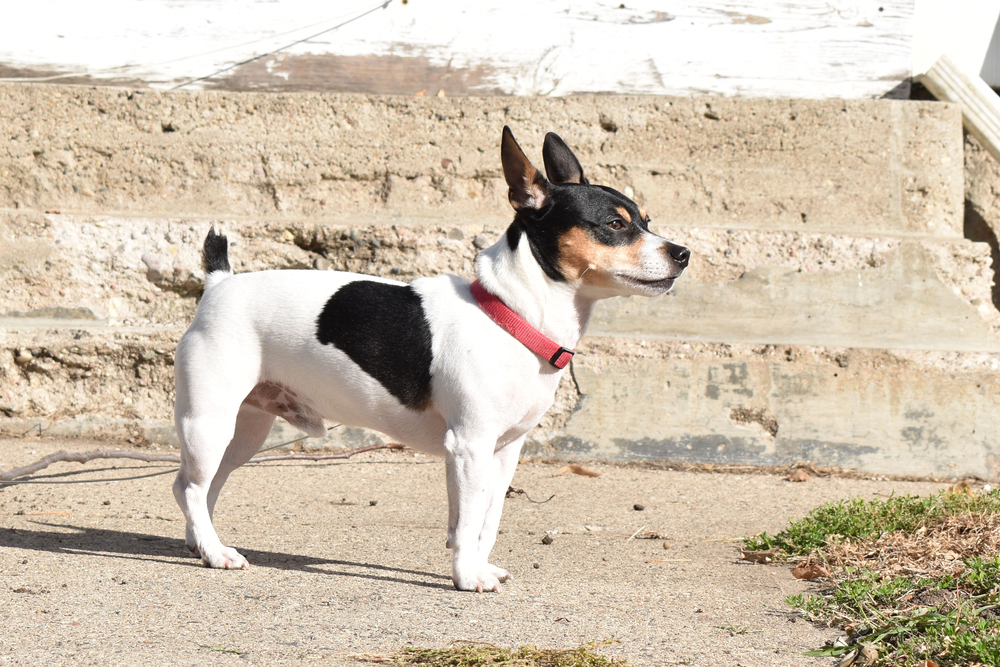
As a proud dog lover, I‘ve always been fascinated by the incredible diversity of canine coats. From the silky locks of an Afghan Hound to the wiry scruff of a Scottish Terrier, each breed boasts its own unique look.
But few dogs come in as many delightful shades and patterns as the Teddy Roosevelt Terrier. This compact, spirited little terrier sports an array of colors that would make a crayon box jealous, from classic black and white to striking sable and brindle.
For prospective Teddy owners, the kaleidoscope of possibilities can be both exciting and overwhelming. What‘s the story behind all those colorful coats? How does color impact grooming, health, or the breed‘s signature personality? And with so many options, how do you choose the pup that‘s perfect for you?
As a certified canine color enthusiast, I‘ve delved deep into the history, genetics, and care considerations behind Teddy Roosevelt Terrier hues. My goal is to share that knowledge with fellow dog lovers who appreciate the beauty and brains of this special breed.
Whether you‘re already smitten with a specific shade or are simply eager to learn more, this guide will walk you through everything you need to know about Teddy Roosevelt Terrier colors. Let‘s dive in and explore the vibrant world of these pint-sized pups.
A Terrier of a Different Color
Teddy Roosevelt Terriers are a relatively new breed with a rich and storied heritage. Although they were only officially recognized by the American Kennel Club in 2016, the Teddy‘s ancestors have been hard at work on farms and in the field for over a century.
Like many terrier breeds, the Teddy Roosevelt Terrier was developed by crossing various hunting and ratting dogs to create the ideal working companion. Their family tree includes illustrious members like the Smooth Fox Terrier, Manchester Terrier, Whippet, and Beagle, along with more obscure contributors like the now-extinct English White Terrier.
But the Teddy‘s closest relatives are undoubtedly the Rat Terrier and the Feist, scrappy mixed-breed dogs popular with American farmers and hunters in the late 1800s and early 1900s. These nimble, tenacious little terriers were prized for their ability to dispatch rats, squirrels, and other vermin with lightning speed.
So why the presidential moniker? Teddy Roosevelt Terriers earned their name thanks to their famous fan, President Theodore Roosevelt. An avid outdoorsman and hunter, Roosevelt was known for his affection for the feisty "rat terriers" that accompanied him on his sporting adventures.
Although Roosevelt never owned a Teddy Roosevelt Terrier himself, he played a key role in popularizing the type of compact, muscular terrier that would become the breed‘s foundation. In fact, some of the earliest dogs in the Teddy Roosevelt Terrier‘s pedigree are said to have come from Roosevelt‘s own hunting lines.
Over time, breeders began to focus on developing the short-legged, big-chested version of these all-purpose terriers. In the 1990s, a group of dedicated fanciers decided to split off from the larger Rat Terrier breed and concentrate on perfecting the small, sturdy type they dubbed the Teddy Roosevelt Terrier.
Today, the Teddy Roosevelt Terrier is still a rare breed, with only a few hundred registrations per year. But these plucky little dogs have won legions of devoted fans with their outsized personalities, keen intelligence, and endlessly entertaining antics.
And of course, there‘s that signature kaleidoscope of colors. While many breeds come in a handful of standard shades, the Teddy Roosevelt Terrier boasts a veritable rainbow of possibilities, from the classic black and white tuxedo to the eye-catching tricolor and everything in between.
According to the breed standard, Teddy Roosevelt Terriers can come in black, chocolate, blue, fawn, red, lemon, and apricot, as well as any combination of these colors with white. The only requirement is that the dog must have at least 50% white on their body, with color on the head and patches on the body.
So what‘s behind all that diversity? To understand the genetics of Teddy Roosevelt Terrier colors, we need to take a closer look at the complex interplay of genes that determines a dog‘s coat.
The Science of Spotting
At the most basic level, coat color in dogs is determined by two pigments: eumelanin, which produces black and brown hues, and pheomelanin, which creates red and yellow shades. Every dog inherits two sets of genes for each pigment, one from each parent.
The gene for black pigment is called the B locus, and it comes in two variants: B (dominant black) and b (recessive brown). A dog with one or two copies of the dominant B allele will be black, while a dog with two copies of the recessive b allele will be chocolate or liver.
The gene for red pigment is called the A locus, and it also has two variants: A (dominant red) and a (recessive black). A dog with one or two copies of the dominant A allele will be red or yellow, while a dog with two copies of the recessive a allele will be black or brown.
But that‘s just the beginning. Several other genes interact with the A and B loci to create the full spectrum of canine colors. The D locus, for example, codes for a dilution factor that can lighten black to blue or chocolate to fawn. The E locus determines whether the dog expresses any red pigment at all.
And then there‘s the S locus, which is responsible for those signature white spotting patterns. The S locus comes in four variants: S (solid color), si (Irish spotting), sp (piebald spotting), and sw (extreme white piebald).
Teddy Roosevelt Terriers typically have either the sp or sw variant of the S locus, which explains their flashy white markings. The amount of white on a given dog can vary widely, from a small blaze on the chest to a mostly white body with only a few patches of color.
Some Teddies may also inherit genes for ticking, which produces flecks or speckles of color on a white background. And in rare cases, a Teddy may have a brindle pattern, with stripes of darker color on a lighter base.
With so many genes in play, it‘s no wonder that Teddy Roosevelt Terriers come in such a wide range of hues. Even within a single litter, puppies may sport vastly different colors and patterns depending on which combination of alleles they inherit from their parents.
For breeders, predicting the colors of a given mating can be a complex puzzle. But for puppy buyers, the sheer variety of shades means there‘s a Teddy to suit every taste and preference.
Health in Living Color
Of course, aesthetics aren‘t the only consideration when it comes to coat color. In some breeds, certain shades are associated with specific health issues that buyers need to be aware of.
Fortunately, Teddy Roosevelt Terriers are generally a robust and long-lived breed, with few color-related health concerns. The most common issues tend to be orthopedic, such as luxating patellas or hip dysplasia, which can affect dogs of any color.
However, there are a few coat-specific conditions that Teddy owners should keep in mind. Dogs with a lot of white on their face and ears may be prone to sunburn and skin cancer, especially if they spend a lot of time outdoors. It‘s a good idea to apply pet-safe sunscreen to these areas or limit sun exposure during peak hours.
Some studies have also suggested that dogs with the merle gene, which produces a mottled or dappled coat, may be at higher risk for certain eye and ear defects. However, merle is not an accepted color in the Teddy Roosevelt Terrier breed standard, so this is unlikely to be a concern for most owners.
As with any breed, the best way to ensure a healthy and happy Teddy is to work with a reputable breeder who health tests their stock and breeds for sound temperament and structure. Coat color should always be a secondary consideration to overall wellness.
That said, it‘s worth noting that some colors may be more or less popular with Teddy owners and breeders. According to a recent survey of Teddy Roosevelt Terrier enthusiasts, the most sought-after shade is the classic black and white tuxedo, followed closely by the red and white and tricolor patterns.
On the flip side, some of the rarer colors, like chocolate and fawn, may be harder to find and command higher prices from breeders. But as any true dog lover knows, the most important factor in choosing a puppy is always the individual dog‘s personality and potential, not their coat.
Grooming Your Colorful Companion
So you‘ve fallen in love with a particular Teddy Roosevelt Terrier color, and you‘re ready to bring your new best friend home. What does that gorgeous coat mean for your grooming routine?
The good news is that Teddy Roosevelt Terriers are relatively low-maintenance in the grooming department. The vast majority of the breed has a short, smooth coat that‘s easy to care for with regular brushing and occasional baths.
However, some Teddies may inherit a slightly longer or wiry coat from their terrier ancestors. These dogs may require a bit more attention to keep their fur looking tidy and avoid matting.
For smooth-coated Teddies, a weekly once-over with a soft bristle brush or hound glove is usually sufficient to remove loose hair and keep the coat shiny. Bathing can be done as needed, typically every few months or whenever your dog starts to smell less than fresh.
If your Teddy has a wire coat, you may need to invest in a few extra grooming tools, like a slicker brush and a stripping knife. Wire coats require regular hand-stripping to maintain their texture and remove dead hair, a process that can be time-consuming but is essential for keeping the coat healthy.
No matter what type of coat your Teddy has, it‘s important to pay extra attention to the white areas, which can be prone to staining and discoloration. Regular cleaning with a damp cloth or pet wipe can help keep your dog‘s face, paws, and belly looking bright and fresh.
You‘ll also want to keep an eye out for any signs of skin irritation or allergies, which can cause itching, flaking, or hot spots. Teddies are generally a healthy breed, but like many terriers, they can be sensitive to certain environmental triggers or food ingredients.
If you notice any unusual changes in your dog‘s coat or skin, it‘s always best to consult with your veterinarian to rule out underlying health issues. A high-quality diet, regular parasite prevention, and prompt treatment of any problems will go a long way towards keeping your Teddy looking and feeling their best.
The Personality Behind the Palette
While coat color is certainly a fun and fascinating aspect of the Teddy Roosevelt Terrier breed, it‘s important to remember that it‘s only one small part of what makes these dogs so special.
At their core, Teddy Roosevelt Terriers are all about personality. These spunky little dogs are bursting with energy, curiosity, and an insatiable zest for life. They‘re always on the go, whether they‘re chasing a squirrel in the backyard or learning a new trick with their favorite human.
Despite their small size, Teddies are surprisingly athletic and agile. They excel at canine sports like agility, flyball, and barn hunt, where they can put their natural speed and smarts to the test. They‘re also fantastic hiking and camping companions, always ready for a new adventure.
Of course, that boundless energy can be a double-edged sword. Teddies require plenty of exercise and mental stimulation to keep them happy and well-behaved. A bored or under-exercised Teddy can quickly become a destructive Teddy, channeling their pent-up energy into digging, chewing, or barking.
But for owners who are willing to put in the time and effort to keep their Teddy entertained, the rewards are immeasurable. These dogs are incredibly loyal and affectionate, forming deep bonds with their human family members. They‘re also endlessly amusing, with a goofy sense of humor and a knack for making their owners laugh.
Teddies are generally good with children and other dogs, although their high prey drive means they may not be the best fit for homes with small animals like cats or rabbits. They can also be protective of their people and territory, making them excellent watchdogs despite their diminutive size.
As with any breed, it‘s important to socialize your Teddy from a young age to ensure they grow up to be well-adjusted and confident dogs. Positive training methods, plenty of exposure to new people and places, and lots of love and attention will help your Teddy blossom into the best version of themselves.
Choosing Your Colorful Companion
With so many wonderful colors to choose from, it can be tough to decide which Teddy Roosevelt Terrier is the right fit for your family. But as tempting as it may be to focus solely on coat color, it‘s important to remember that the most important factors are always health, temperament, and the responsible breeding practices behind your puppy.
When you‘re ready to start your search for a Teddy, take the time to research breeders carefully. Look for a breeder who health tests their dogs, provides detailed information about their breeding program, and is willing to answer all your questions about the breed.
Observe the puppies‘ parents and siblings to get a sense of their typical energy level and personality. A reputable breeder will allow you to meet the mother and father of the litter, as well as any other adult dogs on the premises.
While it‘s natural to have a color preference, try to keep an open mind. The perfect puppy for your family may come in a shade you hadn‘t originally considered. Trust your instincts and choose the dog that feels like the best fit for your lifestyle and personality.
Above all, avoid breeders who make exaggerated claims about rare or exotic colors, or who charge exorbitant prices for certain shades. There is no evidence that coat color has any impact on a Teddy Roosevelt Terrier‘s health, temperament, or longevity.
With patience, research, and a commitment to responsible dog ownership, you‘re sure to find the Teddy of your dreams, no matter what color they come in. And when you bring that wiggly, bright-eyed bundle of joy home, you‘ll know that you‘ve found a loyal and loving companion for life.
Final Thoughts
Teddy Roosevelt Terriers may come in a dizzying array of colors and patterns, but at the end of the day, what truly makes them special is their larger-than-life personalities and unwavering devotion to their humans.
Whether you fall for the classic charm of a black and white Teddy, the warmth of a red or apricot, or the striking good looks of a tricolor or brindle, you can rest assured that you‘re getting a dog with a heart as big as their attitude.
As a dog lover and a Teddy Roosevelt Terrier enthusiast, I can attest to the joy and laughter these little dogs bring to their families every day. With their boundless energy, infectious enthusiasm, and endless capacity for love, Teddies have a way of making every moment brighter and more colorful.
So if you‘re ready to add a splash of fun and adventure to your life, consider opening your heart and home to a Teddy Roosevelt Terrier. No matter what shade they come in, these vibrant little dogs are sure to fill your days with love, laughter, and plenty of colorful memories.