Calcium Carbonate for Dogs: Benefits, Uses, and Side Effects
Calcium is a crucial mineral that plays many vital roles in your dog‘s body, from building strong bones to enabling muscle movement and nerve signaling. As a conscientious dog owner, you want to ensure your furry friend gets the right amount of calcium in their diet – not too little, and not too much. One common form of calcium used in dog food and supplements is calcium carbonate. Let‘s take an in-depth look at this mineral source and how it impacts canine health.
What is Calcium Carbonate?
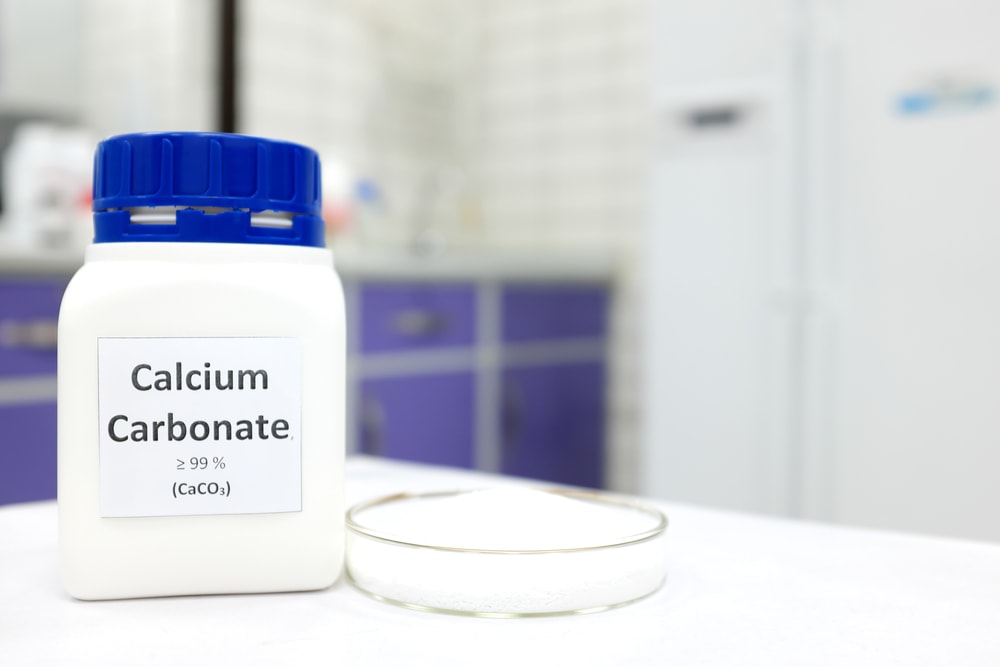
Calcium carbonate (CaCO3) is an abundant naturally-occurring compound. In fact, it makes up about 4% of the Earth‘s crust. This white, powdery substance is derived from various sources such as:
- Limestone
- Marble
- Chalk
- Oyster shells
- Eggshells
- Snail shells
- Cuttlefish bone
- Coral
- Dolomite
- Bone meal
In dog food and treats, calcium carbonate is commonly used as a dietary calcium supplement, antacid, preservative, and anti-caking agent. When ingested, it dissociates into calcium and carbonate ions in the acidic environment of the stomach. The calcium is then absorbed in the small intestine and utilized by the body.
Calcium Requirements for Dogs
The Association of American Feed Control Officials (AAFCO) sets nutrient profiles for dog foods based on the latest nutritional research. They recommend minimum calcium levels for dogs at different life stages:
| Life Stage | Minimum Calcium (% dry matter) |
|---|---|
| Adult maintenance | 0.5 – 0.8% |
| Growth and reproduction | 1.0 – 1.8% |
However, these are just minimums. Studies have shown that calcium requirements can vary based on factors such as breed size, growth rate, and activity level. A 2017 review in the Journal of Animal Physiology and Animal Nutrition suggests that optimal calcium levels for healthy adult dogs may be around 0.8-1.2% on a dry matter basis.
It‘s important to note that more calcium is not always better. Dogs, especially large breed puppies, can develop skeletal abnormalities if fed excessive calcium during growth. The National Research Council (NRC) sets safe upper limits for calcium at 1.5% for adult maintenance and 4.5% for growth and reproduction.
Most commercial dog foods are carefully formulated to meet the specific calcium needs of dogs in different life stages and breed sizes. Supplemental calcium is usually not necessary unless recommended by a veterinarian for a specific medical reason.
How Calcium is Used in the Body
Calcium is the most abundant mineral in your dog‘s body, with 99% of it stored in the bones and teeth. The remaining 1% circulates in the blood and soft tissues, where it participates in a wide range of biological functions:
-
Building and maintaining bones and teeth: Calcium, along with phosphorus, makes up the mineral matrix of bones called hydroxyapatite. This provides the hardness and strength of the skeletal system. Calcium is continually deposited and withdrawn from bones throughout life in a process called remodeling.
-
Enabling muscle contractions: Calcium acts as a signal for muscle fibers to contract. When a nerve impulse stimulates a muscle cell, calcium is released from the sarcoplasmic reticulum, causing the muscle proteins (actin and myosin) to slide past each other and shorten the muscle fiber. This process is essential for all types of body movement.
-
Supporting nerve impulse transmission: Calcium helps to regulate the release of neurotransmitters, the chemical messengers that allow nerve cells to communicate with each other and with muscles and glands. Calcium flow in and out of neurons plays a key role in transmitting electrical impulses throughout the nervous system.
-
Promoting blood clotting: Calcium is a critical component of the blood clotting cascade. When a blood vessel is injured, calcium ions interact with clotting factors and platelets to form a plug that stops bleeding.
-
Regulating cell metabolism and signaling: Calcium acts as a "second messenger" in cells, relaying signals from hormones and other stimuli to regulate processes such as enzyme activation, secretion, and gene expression. It‘s involved in the metabolism of fats, proteins, and carbohydrates.
Calcium Absorption and Regulation
Calcium levels in the body are tightly regulated by a complex interplay of hormones and feedback loops. The small intestine absorbs about 30-40% of dietary calcium, although this can vary based on factors such as age, vitamin D status, and calcium intake.
Calcium absorption occurs through two main routes:
-
Transcellular active transport: This is the primary absorption mechanism when calcium intake is low. It involves calcium-binding proteins that shuttle calcium through intestinal cells and is regulated by vitamin D3.
-
Paracellular passive diffusion: When calcium intake is high, passive diffusion between intestinal cells accounts for the majority of absorption. This process is not as tightly regulated.
Vitamin D3 is essential for efficient calcium absorption. Dogs can get vitamin D from two sources:
- Synthesis in the skin upon exposure to UVB radiation from sunlight
- Dietary intake of vitamin D (found naturally in fatty fish, egg yolks, and liver, or added as a supplement to commercial foods)
Vitamin D3 is converted to its active form, calcitriol, in the liver and kidneys. Calcitriol increases calcium absorption by stimulating the production of calcium-binding proteins in the gut.
Other dietary factors can influence calcium absorption as well. Phytates found in plant foods like whole grains, beans, and nuts can bind to calcium and reduce its availability. Oxalates present in spinach, sweet potatoes, and beets can also interfere with calcium absorption.
The body carefully monitors blood calcium levels via receptors in the parathyroid gland. If calcium drops too low, parathyroid hormone (PTH) is released. PTH acts on the bones to release calcium, the kidneys to reabsorb more calcium and activate vitamin D, and the intestines to increase calcium absorption.
On the flip side, if blood calcium rises too high, the thyroid gland secretes calcitonin. Calcitonin suppresses bone breakdown and increases calcium excretion by the kidneys to lower blood levels.
Through these intricate hormonal controls, the body maintains blood calcium within a narrow range of about 8.5-11.5 mg/dL in dogs. This balance is critical for maintaining a healthy heartbeat, strong bones, proper muscle and nerve function, and normal blood clotting.
Calcium Deficiency in Dogs
Calcium deficiency, or hypocalcemia, can occur due to dietary insufficiency, malabsorption disorders, kidney disease, hypoparathyroidism, or other metabolic imbalances. Hypocalcemia is defined as a blood calcium level below 8.5 mg/dL.
While exact prevalence data is limited, studies suggest that hypocalcemia is one of the most common electrolyte abnormalities in critically ill dogs, affecting up to 17-58% of dogs in intensive care units depending on the underlying cause.
Some signs of calcium deficiency in dogs include:
- Muscle twitching, tremors, or weakness
- Stiffness, lameness, or fractures
- Seizures or convulsions
- Behavioral changes, disorientation, or depression
- Loss of appetite
- Lethargy
- Facial rubbing or itching
- Fast or irregular heartbeat
If you notice any of these symptoms in your dog, it‘s important to seek veterinary care right away. Severe hypocalcemia can progress to heart arrhythmias, respiratory failure, and even death if left untreated.
Diagnosis of hypocalcemia involves measuring blood total and/or ionized calcium levels. Ionized calcium is the biologically active form, so it provides a more accurate assessment than total calcium. However, it requires special handling of the blood sample. Additional tests such as parathyroid hormone levels, vitamin D levels, and kidney function may be needed to determine the underlying cause.
Treatment depends on the severity and cause of hypocalcemia. Acute, symptomatic cases may require intravenous calcium gluconate infusions under close monitoring. Oral calcium supplements, vitamin D, and a calcium-rich diet may be prescribed for chronic deficiencies. Any underlying conditions like kidney disease or intestinal malabsorption must also be addressed.
Excess Calcium and Adverse Effects
On the other end of the spectrum, too much calcium can also be problematic, especially for growing puppies. The most common cause of excess calcium intake is oversupplementation with calcium products, often in combination with an already balanced commercial diet.
Calcium competes with other essential minerals like magnesium, phosphorus, and zinc for absorption. Excessive calcium can bind to these minerals in the intestines and prevent their uptake, leading to deficiencies over time.
Some potential adverse effects of excess calcium in dogs include:
- Constipation or chalky stools from unabsorbed calcium
- Increased risk of bladder and kidney stones
- Skeletal malformations in growing puppies, especially of large and giant breeds
- Mineralization of soft tissues
- Possible kidney damage in susceptible individuals
A 2010 study in the journal Veterinary Medicine International found that 23% of large breed puppies fed a high calcium diet (3.3% dry matter basis) developed radiographic evidence of skeletal disease by 6 months of age, compared to 0% of puppies fed a normal calcium diet (1.1%).
To prevent these issues, it‘s best to feed your dog a complete and balanced diet appropriate for their life stage and breed size, and to avoid adding any mineral supplements unless prescribed by your veterinarian. Calcium intake should be balanced with phosphorus in a range of 1:1 to 2:1 calcium to phosphorus ratio.
Calcium in Homemade Dog Food
If you choose to feed your dog a homemade diet, it‘s crucial to work with a veterinary nutritionist to ensure the recipe is nutritionally complete and balanced. Calcium is one of the most common nutrients to be deficient in homemade diets.
Some whole food calcium sources that may be included in a balanced homemade dog food recipe:
- Raw meaty bones (must be appropriately sized for your dog to avoid choking and dental fractures)
- Bone meal powder
- Eggshells (cleaned, dried, and ground into a powder)
- Cuttlefish bone
- Small whole fish with bones (like sardines or anchovies)
- Calcium-set tofu
- Low-oxalate leafy greens (collard greens, kale, mustard greens)
- Broccoli
- Bok choy
- Powdered skim milk
The specific amount to include will depend on your dog‘s size and the other recipe ingredients. A veterinary nutritionist can help you calculate this and ensure all other essential nutrients are balanced.
Calcium Supplements for Dogs
In certain medical conditions, your veterinarian may recommend a calcium supplement for your dog. Some common calcium supplements used in veterinary medicine include:
- Calcium carbonate tablets or powder
- Calcium citrate
- Calcium gluconate
- Calcium lactate
- Dicalcium phosphate
- Tricalcium phosphate
- Calcium hydroxyapatite
Calcium carbonate is one of the most concentrated forms, containing 40% elemental calcium by weight. It‘s inexpensive and widely available. However, it requires stomach acid for absorption, so it may not be ideal for older dogs with reduced stomach acid production.
Calcium citrate is less dependent on stomach acid for absorption, but it‘s more expensive and less concentrated (21% calcium by weight). It may cause less constipation and bloating compared to calcium carbonate.
Some specific uses of calcium supplements in dogs include:
-
Hypoparathyroidism: This endocrine disorder results in low blood calcium due to lack of parathyroid hormone. Lifelong treatment with active vitamin D (calcitriol) and calcium supplements is necessary.
-
Eclampsia or puerperal tetany: This is a life-threatening drop in blood calcium that can occur in nursing mother dogs due to the high calcium demands of lactation. Intravenous calcium gluconate followed by oral calcium supplements is used to treat and prevent eclampsia.
-
Rickets or osteomalacia: These conditions involve softening and weakening of bones due to defective mineralization, often related to vitamin D deficiency or chronic kidney disease. Calcium and vitamin D supplements may be part of the treatment plan.
-
Hyperphosphatemia: Dogs with advanced kidney disease often develop high blood phosphorus levels, which can lead to calcium loss from bones. Calcium carbonate or acetate may be used as phosphate binders to reduce phosphorus absorption from the gut.
-
Osteoporosis: While uncommon in dogs, osteoporosis can occur secondary to other diseases like hyperadrenocorticism (Cushing‘s disease). Calcium and vitamin D supplements may help improve bone density as part of a comprehensive treatment plan.
It‘s important to note that calcium supplementation carries risks and is not appropriate for all dogs. Never give your dog calcium supplements without consulting your veterinarian first. They can assess your dog‘s individual needs based on factors like diet, life stage, health status, and blood test results.
When calcium supplements are prescribed, they should be given separately from meals to maximize absorption. The total daily dose is often divided into two or more smaller doses throughout the day. Regular monitoring of blood calcium and kidney function is important to avoid oversupplementation and to adjust the dose as needed.
Promoting Skeletal Health in Dogs
In addition to providing an appropriate amount of dietary calcium, there are several other ways to support your dog‘s bone health throughout their lifetime:
-
Feed a balanced diet: Choose a high-quality commercial dog food that is formulated for your dog‘s life stage and breed size, or work with a veterinary nutritionist to design a complete and balanced homemade diet.
-
Maintain a healthy body weight: Excess weight puts additional strain on your dog‘s bones and joints. Keep your dog lean with portion control and regular exercise.
-
Provide regular exercise: Weight-bearing exercise stimulates bone growth and maintenance. Aim for at least 30-60 minutes per day of activities like walking, running, swimming, or playing fetch, depending on your dog‘s age and fitness level.
-
Start puppies on an appropriate growth diet: Large and giant breed puppies have special nutritional needs to support controlled growth. Feeding a puppy food designed for large breeds can help prevent developmental orthopedic diseases like hip dysplasia and osteochondritis dissecans (OCD).
-
Consider joint supplements: If your dog is at risk for osteoarthritis due to age, breed, or injury, supplements like glucosamine, chondroitin, and omega-3 fatty acids may help support joint health. Consult your veterinarian for recommendations.
-
Prioritize dental health: Periodontal disease not only affects the teeth and gums, but the chronic inflammation can also contribute to bone loss throughout the body. Brush your dog‘s teeth daily and provide appropriate chew toys and dental treats.
-
Schedule regular vet check-ups: Annual or semi-annual veterinary exams can help catch skeletal problems early, when they are most treatable. Senior dogs may benefit from regular screening x-rays to monitor for age-related bone changes.
By taking a proactive approach to your dog‘s skeletal health, you can help them maintain strong bones and an active lifestyle well into their golden years.
The Bottom Line
Calcium is an essential mineral that plays a crucial role in multiple body systems in dogs. Ensuring your canine companion gets the right amount of calcium, ideally from a complete and balanced diet, can help support lifelong health and vitality.
If you have any concerns about your dog‘s calcium intake or skeletal health, don‘t hesitate to talk to your veterinarian. They can assess your dog‘s individual needs and recommend any necessary adjustments to their diet or lifestyle.
With a solid foundation of nutrition, exercise, and preventive care, you can give your loyal friend the best chance at a long, happy, and healthy life by your side.