AI Automation and Gender Disparity: Safeguarding Women‘s Futures in an AI-Driven Workforce
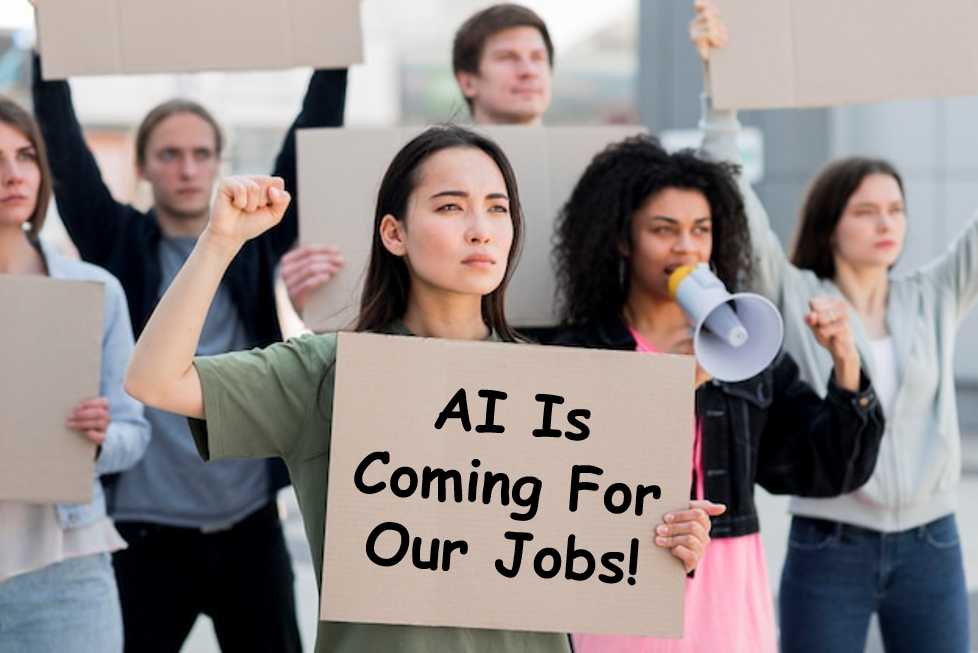
The rapid advancement of artificial intelligence (AI) is revolutionizing industries and reshaping the future of work. While AI promises increased efficiency and productivity, it also raises concerns about potential job losses due to automation. A growing body of research suggests that AI‘s impact on employment may not be gender-neutral, with women facing a higher risk of job displacement compared to men.
According to a report by the World Economic Forum, by 2027, AI could displace 85 million jobs worldwide, while creating 97 million new ones. However, the job losses and gains are not expected to be evenly distributed across genders. The report predicts that women will face a disproportionately higher risk of job displacement, with 52% of the jobs lost being held by women, compared to 48% by men[^1^].
As we navigate this transformative era, it is crucial to understand the implications of AI automation for female workers and take proactive measures to ensure an equitable and inclusive future. This article explores the gendered impact of AI on employment, the factors contributing to women‘s vulnerability, and the steps that can be taken to safeguard women‘s futures in an AI-driven workforce.
The AI Automation Wave: A Gendered Impact
Recent studies shed light on the disproportionate impact of AI automation on female employment:
- The Institute for Women‘s Policy Research estimates that 58% of jobs at high risk of automation are held by women[^2^].
- A study by the IMF found that 11% of jobs held by women are at risk of automation, compared to 9% for men[^3^].
- McKinsey Global Institute predicts that by 2030, up to 160 million women worldwide could face job transitions due to AI-driven disruptions, representing 20% of the female workforce (compared to 17% of the male workforce)[^4^].
The gender disparity in AI‘s impact on jobs can be attributed to several factors. Firstly, women are overrepresented in occupations that are highly susceptible to automation, such as administrative support, customer service, and certain manufacturing roles. These jobs often involve repetitive tasks and data processing, making them prime candidates for AI-powered automation.
For instance, according to the McKinsey report, 52% of job losses in the US due to AI could be in female-dominated occupations. The table below shows the top occupations at risk of automation and their gender composition[^4^]:
| Occupation | % Jobs at Risk | % Female |
|---|---|---|
| Office support | 76% | 72% |
| Customer service | 64% | 64% |
| Sales | 45% | 49% |
| Production | 59% | 29% |
| Food preparation & serving | 73% | 53% |
Moreover, women are underrepresented in the fields driving AI development, such as computer science and engineering. According to the AI Now Institute, only 18% of authors at leading AI conferences are women, and 80% of AI professors are men[^5^]. This lack of diversity in AI research and implementation can lead to biased algorithms and systems that perpetuate gender inequalities.
For example, Amazon had to scrap an AI recruiting tool that was found to discriminate against women because it was trained on historical hiring data where males were overrepresented[^6^]. As AI becomes increasingly integrated into hiring processes, performance evaluations, and career progression decisions, the potential for bias amplification poses additional challenges for women in the workforce.
The Wage Gap Widens: AI‘s Impact on Pay Disparities
The gender wage gap remains a persistent issue, with women earning, on average, 20% less than men globally[^7^]. AI automation threatens to exacerbate this disparity by disproportionately impacting lower-wage jobs held by women. The McKinsey report found that women in lower-wage positions are up to 20 times more likely to face job transitions due to AI compared to those in higher-wage roles[^4^].
As AI displaces jobs in female-dominated sectors, women may face increased competition for remaining positions, potentially leading to further wage suppression. Additionally, the lack of diversity in AI development can result in biased algorithms that perpetuate pay inequities.
Addressing the wage gap in the context of AI requires a multi-faceted approach:
- Employers must prioritize pay equity and conduct regular audits to identify and rectify disparities.
- Policymakers can introduce legislation to mandate pay transparency and prohibit the use of salary history in hiring decisions.
- Initiatives to increase diversity in AI development, such as mentorship programs and targeted recruitment efforts, can help mitigate bias and ensure that AI systems promote fairness and equality.
Retraining and Upskilling: Empowering Women for the AI Era
As AI automation reshapes the job market, retraining and upskilling initiatives become crucial for safeguarding women‘s employment prospects. Employers and policymakers must invest in comprehensive training programs that equip female workers with the skills necessary to thrive in the AI-driven economy.
Retraining efforts should focus on developing transferable skills, such as problem-solving, critical thinking, and digital literacy. These skills are less susceptible to automation and are in high demand across industries. Additionally, providing access to STEM education and encouraging women to pursue careers in AI-related fields can help bridge the gender gap in technology and ensure that women play an active role in shaping the future of work.
Some key areas where women can excel in the AI era include:
-
AI Ethics & Governance: As AI systems become more pervasive, there is a growing need for professionals who can develop and enforce ethical guidelines for responsible AI use. Women can bring valuable perspectives to this field, helping to ensure that AI is deployed in a fair and unbiased manner.
-
Human-AI Collaboration: While AI can automate certain tasks, it is most effective when used to augment human capabilities. Roles that involve collaborating with AI systems to solve complex problems, such as AI-assisted healthcare and creative industries, offer significant opportunities for women.
-
AI Product Management: The success of AI solutions depends not just on the underlying technology, but also on effective product strategy and design. Women can excel in roles that involve translating user needs into AI product requirements, and ensuring that AI systems are aligned with business goals and values.
-
Interdisciplinary AI Research: Addressing the societal implications of AI requires an interdisciplinary approach that combines technical expertise with insights from the social sciences, humanities, and other domains. Women with diverse academic backgrounds can make valuable contributions to interdisciplinary AI research teams.
By investing in the continuous learning and development of female employees, organizations can foster a more resilient and adaptable workforce that is prepared for the challenges and opportunities of the AI age.
A Call to Action: Building an Equitable AI Future
Addressing the gender disparities amplified by AI automation requires a collaborative effort from all stakeholders, including employers, policymakers, educators, and society at large. Some key recommendations include:
-
Prioritize diversity and inclusion in AI: Employers must ensure that women are adequately represented in AI decision-making processes and that AI systems are developed with gender equity in mind. This includes conducting regular audits to identify and mitigate bias, implementing fair hiring and promotion practices, and providing equal access to training and development opportunities.
-
Develop AI literacy programs: Educational institutions and employers should offer AI literacy programs that help women understand the basics of AI and how it may impact their careers. These programs can also highlight the opportunities available in AI-related fields and provide guidance on reskilling and upskilling.
-
Support women in STEM: Encouraging more women to pursue education and careers in STEM fields is critical for addressing the gender imbalance in AI. This can be achieved through targeted outreach programs, mentorship initiatives, and scholarships for women in AI-related disciplines.
-
Foster inclusive AI research: Research institutions and funding bodies should prioritize AI projects that have diverse teams and consider the social implications of the technology. This can help ensure that AI development benefits from a range of perspectives and addresses the needs of all members of society.
-
Promote AI for good: AI has the potential to be a powerful tool for advancing gender equity, if developed and used responsibly. For example, AI can be used to identify and correct gender biases in job postings, analyze pay disparities, and support women‘s health and well-being. Encouraging the development of AI solutions that promote social good can help ensure that the benefits of this technology are widely shared.
Conclusion
The intersection of AI automation and gender disparity presents both challenges and opportunities for women in the workforce. While AI has the potential to exacerbate existing inequalities, it also offers the chance to create a more inclusive and equitable future of work. By proactively addressing the gendered impact of AI, investing in retraining and upskilling initiatives, and promoting diversity in AI development, we can ensure that women are not left behind in the AI revolution.
As an AI and machine learning expert, I believe that the responsible development and deployment of AI is crucial for achieving gender equity in the workplace. This requires a commitment from all stakeholders to prioritize diversity, fairness, and inclusion at every stage of the AI lifecycle. By working together to build an AI future that benefits everyone, we can unlock the full potential of this transformative technology while ensuring that no one is left behind.
[^1^]: World Economic Forum. (2020). The Future of Jobs Report 2020. https://www.weforum.org/reports/the-future-of-jobs-report-2020[^2^]: Institute for Women‘s Policy Research. (2019). Women, Automation, and the Future of Work. https://iwpr.org/iwpr-issues/employment-and-earnings/women-automation-and-the-future-of-work/
[^3^]: Brussevich, M., Dabla-Norris, E., Kamunge, C., Karnane, P., Khalid, S., & Kochhar, K. (2018). Gender, technology, and the future of work. IMF Staff Discussion Note SDN/18/07. https://www.imf.org/en/Publications/Staff-Discussion-Notes/Issues/2018/10/09/Gender-Technology-and-the-Future-of-Work-46236
[^4^]: McKinsey Global Institute. (2019). The future of women at work: Transitions in the age of automation. https://www.mckinsey.com/featured-insights/gender-equality/the-future-of-women-at-work-transitions-in-the-age-of-automation
[^5^]: AI Now Institute. (2019). Discriminating Systems: Gender, Race, and Power in AI. https://ainowinstitute.org/discriminatingsystems.html
[^6^]: Dastin, J. (2018). Amazon scraps secret AI recruiting tool that showed bias against women. Reuters. https://www.reuters.com/article/us-amazon-com-jobs-automation-insight-idUSKCN1MK08G
[^7^]: International Labour Organization. (2019). The Global Wage Report 2018/19: What lies behind gender pay gaps. https://www.ilo.org/global/publications/books/WCMS_650553/lang–en/index.htm