American Corgi vs Pembroke Welsh Corgi: A Comprehensive Comparison

When it comes to adorable, short-legged herding dogs, Corgis often come to mind. But did you know there are actually two distinct breeds of Corgi – the American Corgi and the Pembroke Welsh Corgi? While they may look quite similar at first glance, there are some notable differences between these two charming pups. In this in-depth guide, we‘ll explore the history, characteristics, and unique traits of the American Corgi and Pembroke Welsh Corgi to help you determine which breed may be the best fit for you and your lifestyle.
The History and Origin of American and Pembroke Welsh Corgis
Let‘s start with a bit of background on where these adorable dogs came from. The Pembroke Welsh Corgi, as the name suggests, originated in Pembrokeshire, Wales. Farmers used these short but mighty dogs to herd cattle, sheep, and horses. It‘s believed they descended from Spitz-type dogs brought to Wales by Vikings in the 9th and 10th centuries, and may also have Vallhund blood. They were officially recognized by the American Kennel Club in 1934.
The American Corgi, on the other hand, is a newer breed developed in the United States. While their exact ancestry is unclear, it‘s thought they were created by crossing Pembrokes with other breeds like Australian Shepherds and Border Collies to get a slightly larger herding dog. The American Corgi is not currently recognized by the AKC, but there are efforts underway by breed clubs to gain recognition.
Physical Characteristics: American Corgi vs Pembroke
Now let‘s compare how the American and Pembroke Corgis stack up in terms of size and appearance:
American Corgi
- Height: 16-20 inches
- Weight: 25-38 pounds
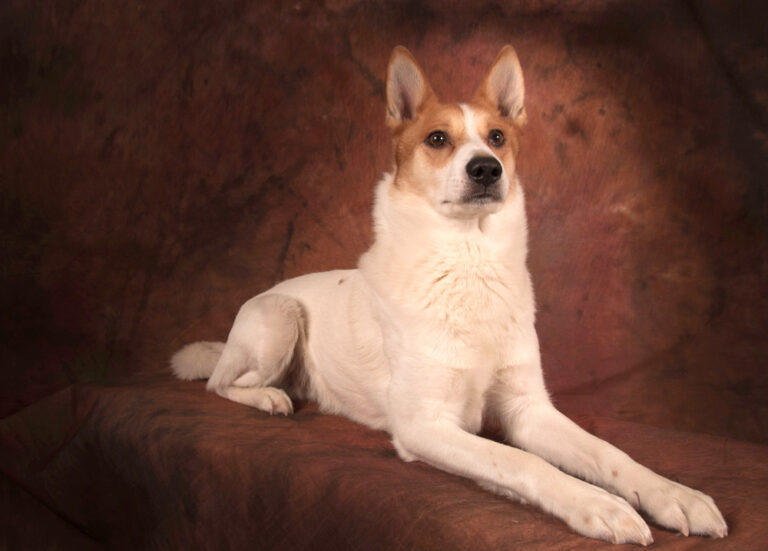
- Coat: Medium length double coat, comes in black, red, sable, and brindle colors, with or without white markings
- Ears: Erect, slightly rounded tips
- Tail: Long, feathered, held high in line with back
Pembroke Welsh Corgi
- Height: 10-12 inches
- Weight: 24-30 pounds
- Coat: Medium length double coat, red, sable, fawn, black and tan, with or without white markings
- Ears: Erect, rounded tips
- Tail: Naturally bobbed or docked short
As you can see, the American Corgi has a bit more height and weight on the Pembroke. They also have a fuller tail, while the Pembroke‘s tail is short, either naturally or docked. The accepted coat colors are also slightly different between the breeds. Both have the characteristic erect ears, though the American‘s may be a tad taller. They also share the long, low body type characteristic of Corgis.
Temperament and Personality
Both the American and Pembroke Welsh Corgi are known for being smart, affectionate, and bold little dogs. As herding breeds, they tend to be active, alert, and always on the go. They are very devoted to their families and can make great companions.
Some temperament highlights of the American Corgi:
- Confident and outgoing
- Energetic and athletic
- Strongly bonded to family but can be somewhat reserved with strangers
- May have strong herding instinct and try to herd children or other pets
- Can be protective and vocal, making good watchdogs
Typical Pembroke Welsh Corgi temperament:
- Friendly, sociable, good with people
- Bright, sensitive, eager to please
- Full of energy and stamina
- May be bossy and try to herd family members
- More accepting of other dogs and pets
- Tendency to bark
Both breeds need plenty of socialization starting from a young age to ensure they grow up to be well-adjusted dogs. The American Corgi may be a bit more protective and aloof with strangers, while the Pembroke tends to be more universally friendly. Pembrokes may be slightly less intense in terms of their herding instincts. But both will likely try to herd you and need training to curb excessive barking.
Exercise Needs
As energetic herding dogs, both American and Pembroke Welsh Corgis have fairly high exercise needs and definitely aren‘t couch potato dogs.
The American Corgi was bred to work all day herding livestock, so they need an outlet for all that stamina and drive. At minimum, expect to give them an hour of moderate to vigorous exercise per day, such as brisk walks, jogging, hiking, fetching, and active play sessions. They tend to have a strong work ethic and will likely want a "job" to do, whether it‘s training for dog sports, learning new tricks, or accompanying you on your outdoor adventures.
Pembroke Welsh Corgis also need a good amount of physical activity to stay happy and fit, but maybe not quite as much as their American cousins. About 45-60 minutes of exercise per day should suffice, split between walks, playtime, and mentally stimulating activities. With their short legs, Pems may not be the best long-distance running partners, but they still love to be active and accompany their humans on outings.
For both breeds, puzzle toys, games, and training sessions are great ways to keep their bright minds busy and ward off destructive boredom behaviors. A tired Corgi is a good Corgi!
Training and Intelligence
Corgis of both types are very intelligent dogs that pick up on things quickly. Training will be important not only for teaching good manners, but for keeping their active minds engaged.
The American Corgi is said to be very trainable and strives to work closely with their humans. They tend to excel at canine activities like obedience, herding, agility, and more. Positive reinforcement methods work best – keep sessions upbeat and fun. They can have an independent streak, so firm and consistent training is a must.
Pembroke Welsh Corgis are also bright and receptive to training. They are a little more sensitive, so do best with gentle guidance rather than harshness or punishment. Pems tend to have a goofy, playful side, so keep training interesting with lots of variety and rewards. They are also quite food motivated, which can help hold their focus.
For both breeds, early socialization and training will be essential to raising a well-rounded dog. Teach them good canine manners from day one, and give them plenty of positive exposure to new people, places, and situations. Many Corgis do well with advanced training and can go far in dog sports and other activities.
Health and Lifespan
Given their long backs and short legs, it‘s not surprising that some back and joint issues can occur in both Corgi breeds. Responsible breeders will screen for conditions like hip dysplasia and intervertebral disc disease. Obesity is another concern for Corgis, as extra weight puts added strain on their long spine and short legs. It‘s important to keep them fit and not to let them jump up and down from heights.
Some other health issues seen in American Corgis can include eye disorders like progressive retinal atrophy, blood clotting disorders like von Willebrand disease, and inherited deafness. The breed is still quite new, so not all hereditary disorders are known yet.
For the Pembroke Welsh Corgi, some other health concerns include eye problems like cataracts and retinal dysplasia, cardiac issues like patent ductus arteriosus, and degenerative myelopathy. Responsible breeders will have health clearances on breeding stock to help minimize risks.
Both breeds have an average life expectancy around 12-14 years. The best way to ensure a healthy pup is to work with a reputable breeder who performs recommended health screenings, and to keep your dog at a healthy weight with regular exercise.
Grooming Requirements
Both American and Pembroke Corgis have fairly thick double coats that shed regularly, with heavier shedding seasonally. Brushing a few times a week and daily during shedding season will help keep all that hair under control. They‘ll only need occasional baths as needed.
As with all dogs, regular nail trims, ear checks, and dental care should be part of the routine too. Starting these maintenance habits early will get your Corgi used to being handled.
Expect to see lots of hair around the house with either breed. If you‘re very neat or have allergies, a Corgi may not be the best choice. But if you don‘t mind a bit of extra vacuuming, their cute looks and personality may be worth it!
Best Suited For
Corgis of either variety can fit in well with many different types of homes and families, as long as their physical and mental exercise needs are met. They are sturdy and adaptable little dogs.
The American Corgi may be better for a suburban or rural home with a securely fenced yard where they can run and play. They may be too barky for apartment living and have lots of energy to burn. With their protective nature, they are good for homes looking for a watchful companion.
Pembroke Welsh Corgis may adapt a bit better to smaller living spaces like apartments, as long as they still get plenty of walks and outdoor time. They tend to be more sociable, so can fit in well with active families with children and other pets.
Both breeds tend to have bold personalities and big dog attitudes in compact bodies, so they aren‘t the best choice for very timid owners. They do best with confident, consistent training. With proper introductions and socialization, they can get along well with other dogs and pets in the home.
Popularity and Corgi Fun Facts
The Pembroke Welsh Corgi currently ranks 11th out of 197 AKC registered breeds, so they are quite popular companion animals. They are said to be a favorite of Queen Elizabeth II, who has owned over 30 Corgis in her lifetime.
Famous Pembrokes from pop culture include Ein, the adorable data dog from the anime Cowboy Bebop, and Cheddar, the feisty pup belonging to Captain Holt on the police comedy Brooklyn Nine Nine.
The American Corgi is still a quite rare and little-known breed, so it‘s hard to gauge their popularity yet. One interesting fact is that some American Corgis are born with long tails, while others have naturally bobbed tails.
When it comes to cuteness, both breeds definitely deliver. Social media accounts dedicated to Corgis and their adorable antics have huge followings. Their photogenic looks, goofy grins, and heart-melting personalities make them internet darlings.
Which Corgi Breed is Right For You?
Now that you know a bit more about the similarities and differences between American and Pembroke Welsh Corgis, which one seems like the best fit for your lifestyle and family? Here are a few things to consider:
If you have an active lifestyle, enjoy training and canine activities, and have plenty of time and space for exercise, an American Corgi could be a great fit. They tend to be very devoted companions with strong work ethics.
If you want a Corgi that is a bit more easygoing and sociable, with slightly lower exercise needs, a Pembroke Welsh Corgi may fit the bill. They tend to be playful, affectionate family pets.
Of course, there is individual variation within each breed too. The best way to find the right Corgi for you is to meet a few in person, talk with breeders and owners, and spend some time getting to know their unique personalities. Whichever one you choose, get ready for a bold, bright, active companion!
Corgi Comparison Wrap-Up
So there you have it – a detailed look at the American Corgi vs the Pembroke Welsh Corgi. While they have many things in common, like their compact bodies, big personalities, and herding heritage, there are some distinctions between the breeds as well.
The American Corgi tends to be a bit larger, more protective, and higher energy, well suited for an active home. The Pembroke Welsh Corgi is usually a tad smaller, more sociable with strangers, and may be a bit less intense.
Both breeds need responsible breeding for health, early socialization and training, and appropriate physical and mental stimulation. With the right upbringing and care, both American and Pembroke Corgis can make devoted, whip-smart, delightfully entertaining companions for many types of owners and families.
Their charming looks, big dog attitude, and endearing antics have won Corgis many devoted fans around the world. If you think one of these lovable low-riders could be the breed for you, be sure to do your research to find a responsible breeder and prepare your home and heart for all the laughter and love a Corgi can bring.