How Big Will My Maltese Puppy Get? A Dog Lover‘s Guide to Maltese Growth & Size
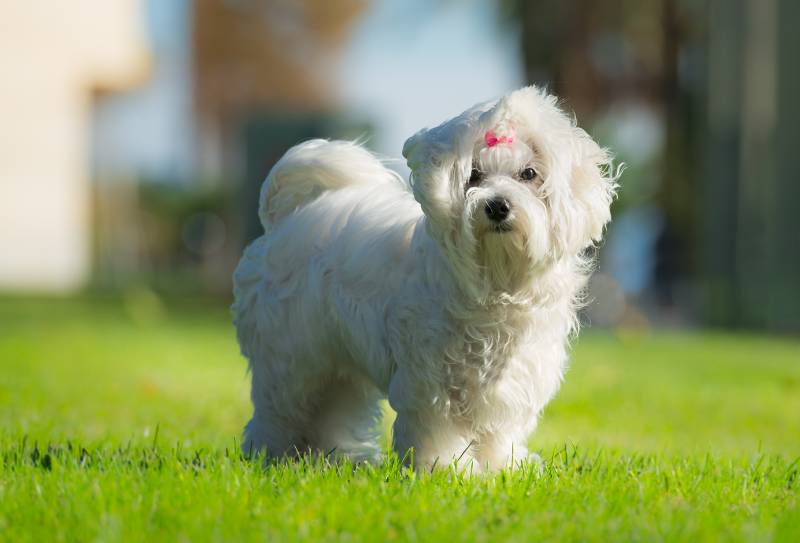
As a proud new Maltese owner, one of the first questions you may have is "just how big will my adorable puppy get?" If you‘ve fallen head over heels for these charming, snuggly little lapdogs, you likely chose the breed in part because of their petite size. While Maltese are indeed members of the toy dog group, there is still a range of normal heights and weights for the breed. Understanding your Maltese‘s expected growth patterns and using tools like weight calculators can help you predict their adult size, provide optimal care, and address any health concerns that may arise.
In this comprehensive guide, we‘ll dive deep into everything you need to know about Maltese size and development from a dog lover‘s perspective. We‘ll explore the breed standard, typical growth timelines, factors that influence mature size, and how to keep your Maltese at a lean, healthy weight from puppyhood through their senior years. You‘ll find expert tips, detailed data, and helpful charts to track your pup‘s progress. As a dedicated Maltese parent, empowering yourself with this knowledge will help you give your sweet companion the best quality of life. Let‘s get started!
Maltese Size and Growth: What‘s Normal?
The Maltese breed standard established by the American Kennel Club states that adult dogs should weigh under 7 pounds, with 4 to 6 pounds preferred, and stand between 8 to 10 inches tall at the shoulder. Maltese have a compact, fine-boned build with a body that is slightly longer than tall. They should have a level topline, a deep chest, and a moderately tucked-up abdomen.
Of course, these guidelines reflect the ideal for the Maltese breed. Individual dogs may fall above or below this weight and height range while still being considered normal and healthy. Some Maltese do grow to be 8 or even 9 pounds. Variations in size can occur based on genetics, gender, birth order, litter size, and other factors.
Maltese Puppy Growth Patterns
Maltese puppies enter the world weighing just 3 to 5 ounces. These tiny babies will grow rapidly in their first few months, often doubling their weight multiple times. Here is a detailed chart of average Maltese weight and height by age:
| Age | Weight Range | Height Range |
|---|---|---|
| Newborn | 3-5 oz | 4-5 in |
| 1 month | 1-1.5 lb | 5-6 in |
| 2 months | 1.5-2.5 lb | 6-7 in |
| 3 months | 2-3.5 lb | 7-8 in |
| 4 months | 2.5-4 lb | 8-9 in |
| 5 months | 3-4.5 lb | 8-9 in |
| 6 months | 3.5-5.5 lb | 8-10 in |
| 8 months | 4-6 lb | 8-10 in |
| 10 months | 4.5-7 lb | 8-10 in |
| 1 year | 4-7 lb | 8-10 in |
As you can see, Maltese puppies typically reach about half of their adult weight by 3-4 months old and will continue to fill out gradually until their first birthday. On average, a Maltese puppy will gain about 1/2 pound per month in their first 6 months, then taper off to 1/4 pound per month until they reach their adult size.
Compared to larger breeds, toy dogs like the Maltese tend to reach their mature size more quickly. While a big dog may not finish growing until 18 months or even 2 years of age, toy breeds achieve most of their adult height and weight within the first 10 months of life. Here‘s how the growth curve of a Maltese compares to other toy dog breeds:

Source: Puppy Growth Charts by Breed, American Kennel Club
Spay/Neuter and Maltese Growth
Another factor that can impact your Maltese‘s growth is the age at which they are spayed or neutered. Studies show that dogs altered before reaching full skeletal maturity are at higher risk for orthopedic disorders like hip dysplasia, cruciate ligament ruptures, and elbow dysplasia. This is because sex hormones like estrogen and testosterone help signal bones to stop growing. Removing these hormones too early can cause bones to grow abnormally long.
For toy breeds like the Maltese that finish growing more quickly, veterinarians may recommend waiting until at least 6 months of age to spay or neuter. Delaying alteration until your Maltese has reached their adult size can lower the risk of joint problems down the road. Consult your vet about the best timing for your individual dog.
It‘s also a common misconception that spaying or neutering a dog will automatically cause weight gain. While altered dogs may have slightly lower calorie needs, any weight gain after a spay or neuter surgery comes down to the owner continuing to feed the same amount of food. By measuring portions and monitoring body condition, you can prevent your Maltese from becoming overweight after their alteration.
Predicting Your Maltese‘s Adult Size
Maltese Weight Calculator
So how can you tell how big your Maltese puppy will be when fully grown? One option is to use a Maltese weight calculator. These tools factor in your puppy‘s current age, weight, and gender to estimate their projected adult size based on average growth patterns for the breed.
To use a weight calculator, enter your Maltese puppy‘s age in weeks or months, their weight in pounds, and indicate whether they are male or female. The calculator will compare your dog‘s stats to the expected weights for Maltese at that age and generate a projected weight range for their full grown size.
Keep in mind that a weight calculator is not an exact science and simply provides an educated guess. Some Maltese may mature faster or slower than the average for their age and gender. However, using the results to compare your puppy‘s growth to breed norms can help you spot any potential issues.
Other Ways to Estimate Adult Size
In addition to weight calculators, there are a few other tricks you can use to get an idea of your Maltese puppy‘s mature proportions:
-
Paw size: Take a look at your puppy‘s paws. Are they proportionate to their body or do they seem oversized? Maltese puppies typically have paws that look a bit large for their frame. This is because their paws have already reached their adult size. If your puppy‘s paws still seem big, they likely have more growing to do.
-
Bone structure: The thickness and density of your Maltese puppy‘s bones can give you clues about their build. Puppies with thicker, heavier boning will tend to be larger than those with finer, more delicate limbs. Of course, even a petite Maltese should have sturdy, straight legs with no weakness in the pasterns.
-
Parental size: The size of your puppy‘s parents offers the best indicator of their genetic potential. If you purchased your Maltese from a breeder, ask for details on the height and weight of their sire and dam. Puppies typically fall somewhere between their parent‘s sizes or may resemble one parent more closely.
Regardless of the method you use, no one can predict your Maltese puppy‘s final size with 100% certainty. There will always be some individual variation. Rather than fixating on a number on a scale, focus on keeping your dog fit, healthy, and in optimal body condition at every stage.
Health and Nutrition for Maltese Growth
Providing your Maltese with proper nutrition is key to supporting their growth and lifelong health. Follow these tips to maximize your puppy‘s development:
Quality puppy food
Choose a high-quality puppy food formulated for toy or small breed dogs. These diets have the optimal balance of protein, fat, calcium, and phosphorus Maltese puppies need to grow strong bones and muscles. Follow the manufacturer‘s portion guidelines for your puppy‘s age and size.
Avoid overfeeding
It can be tempting to give in when your Maltese puppy begs for food with those irresistible eyes, but overfeeding is a major cause of obesity in the breed. Excess weight puts strain on your puppy‘s growing bones and joints. Stick to measured meals and limit treats to 10% of their daily calorie intake.
Transition to adult food
Once your Maltese puppy reaches 80% of their expected adult weight, you can transition them to an adult maintenance diet. For most Maltese puppies, this occurs around 8-10 months of age. A slow transition over 5-7 days can prevent tummy upset.
Monitor body condition
Starting in puppyhood, get in the habit of assessing your Maltese‘s body condition every few weeks. You should be able to easily feel (but not see) their ribs, with a visible waistline when viewed from above. Your Maltese should have a taut abdomen with no sagging belly. Adjust food portions to maintain lean muscle mass.
Importance of exercise
While the Maltese has relatively low exercise needs, daily activity is still important for maintaining a healthy weight and supporting joint mobility. Aim for a couple short walks and several play sessions per day. Avoid strenuous exercise that involves jumping or impact on hard surfaces, especially in puppyhood.
Obesity and Health Risks in Maltese
Maltese are prone to packing on extra pounds if their diet and exercise aren‘t monitored carefully. According to a study by the Association for Pet Obesity Prevention, around 50% of adult Maltese are considered overweight or obese by their veterinarians. Excess weight can contribute to a number of health issues in the breed:
- Arthritis and joint pain
- Hip and elbow dysplasia
- Cruciate ligament tears
- Respiratory problems
- Heart disease
- Diabetes mellitus
- Shortened lifespan
If your Maltese starts to look a bit too plump, don‘t ignore the problem. Work with your vet to rule out medical causes and develop a weight loss plan. Even shedding a few ounces can make a big difference in your small dog‘s vitality.
On the other end of the spectrum, a Maltese that is underweight may not be getting enough calories or could have an underlying health issue preventing nutrient absorption. If you can see your dog‘s ribs or spine protruding, they are likely too thin. Consult your vet to determine the cause and the appropriate diet to help them reach a healthy weight.
Conclusion
As a devoted Maltese parent, watching your tiny furball grow into a beautiful adult dog is one of the greatest joys. While your Maltese may always be pint-sized, the amount of love and personality they pack into that compact frame is immeasurable. By understanding your Maltese‘s growth patterns, using tools to predict their adult size, and partnering with your vet, you can ensure your dog reaches their full potential.
Remember that no number on a scale can quantify your Maltese‘s quality of life. The best thing you can do is feed a balanced diet, keep those fluffy buns moving with regular exercise, and schedule annual vet check-ups to catch any health concerns early. With your dedicated care and attention, your mighty little Maltese can enjoy a long, happy life as your constant companion.