Are Annual Dog Vaccines Necessary? A Vet‘s Perspective
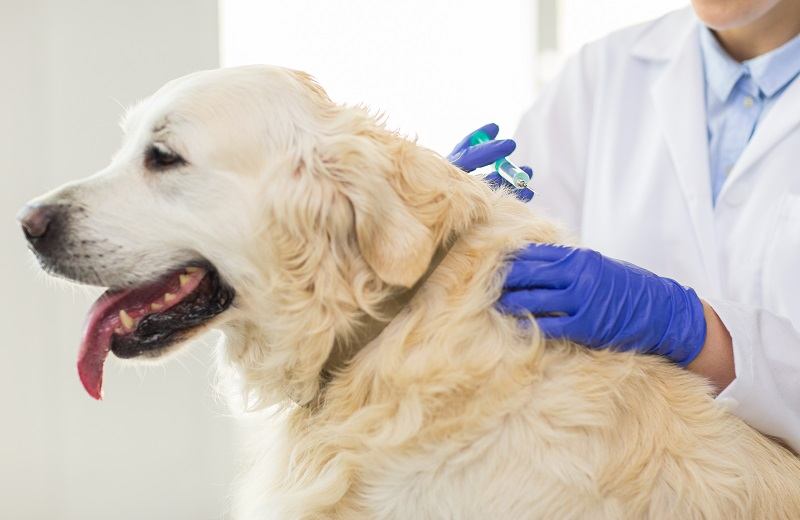
As a veterinarian and lifelong dog lover, I know firsthand how much our furry friends mean to us. We want to do everything in our power to keep them healthy, happy, and by our side for as long as possible. One of the most important ways we can protect our dogs is through vaccinations, but with so much conflicting information out there, it‘s natural to wonder whether annual vaccinations are really necessary. In this article, I‘ll dive deep into the world of dog vaccines, sharing my expert insights, the latest veterinary guidelines, and some personal experiences to help you make informed decisions for your beloved canine companion.
Why Vaccinations Are a Vital Part of Your Dog‘s Health Care
Vaccines are one of the most powerful tools we have to protect our dogs from a wide range of serious and potentially life-threatening diseases. By stimulating your dog‘s immune system to produce antibodies against specific pathogens, vaccinations help prevent illness, suffering, and costly veterinary treatments. Some of the diseases that vaccinations protect against, such as parvovirus, distemper, and rabies, can be fatal or cause long-term health problems in dogs that survive.
To put the importance of vaccinations into perspective, consider these statistics:
- Before the widespread use of the parvovirus vaccine, the mortality rate for infected dogs was around 91% (Smith-Carr et al., 1997).
- In the United States, the incidence of canine distemper has decreased by over 99% since the introduction of the distemper vaccine (Larson & Schultz, 2007).
- Rabies, a zoonotic disease that can be transmitted from dogs to humans, is responsible for an estimated 59,000 human deaths globally each year (World Health Organization, 2020).
By vaccinating our dogs, we not only protect them from these devastating diseases but also contribute to the overall health and well-being of the canine population through herd immunity.
Understanding Core and Non-Core Vaccines
The American Animal Hospital Association (AAHA) categorizes vaccines as core and non-core based on their importance and the risk of exposure. Core vaccines are recommended for all dogs, regardless of their lifestyle, while non-core vaccines are given based on a dog‘s individual risk factors.
Core Vaccines
- Parvovirus: Highly contagious viral disease that attacks the gastrointestinal tract, causing severe vomiting, diarrhea, and dehydration. Can be fatal, especially in puppies.
- Distemper: Contagious viral disease that affects the respiratory, gastrointestinal, and nervous systems. Can cause permanent neurological damage or death.
- Adenovirus (Canine Hepatitis): Viral disease that targets the liver, kidneys, and eyes. Can lead to severe illness or death.
- Rabies: Fatal viral disease that affects the nervous system. Can be transmitted to humans through bites or scratches from infected animals.
Non-Core Vaccines
- Bordetella (Kennel Cough): Highly contagious respiratory disease caused by bacteria and viruses. Recommended for dogs that frequent dog parks, boarding facilities, or grooming salons.
- Leptospirosis: Bacterial disease that can cause liver and kidney failure. Recommended for dogs with a high risk of exposure, such as those who swim or drink from standing water.
- Lyme Disease: Tick-borne bacterial infection that can cause joint pain, fever, and kidney problems. Recommended for dogs in areas with a high prevalence of Lyme disease-carrying ticks.
- Canine Influenza: Viral respiratory disease that can cause coughing, sneezing, and fever. Recommended for dogs at risk of exposure, such as those who frequently interact with other dogs.
Tailoring Vaccination Schedules to Your Dog‘s Individual Needs
One size does not fit all when it comes to dog vaccinations. Factors such as your dog‘s age, health status, lifestyle, and risk of exposure to infectious diseases all play a role in determining the appropriate vaccination schedule.
Puppy Vaccination Series
Puppies are born with immature immune systems and rely on maternal antibodies from their mother‘s milk for protection in the first few weeks of life. As these maternal antibodies wane, puppies become vulnerable to infectious diseases. This is why puppies require a series of vaccinations, typically starting at 6-8 weeks of age and repeated every 3-4 weeks until they are 16-18 weeks old. This series helps ensure that the puppy develops a strong immune response to the vaccinated diseases.
Adult Dog Vaccination Schedules
After the initial puppy series, adult dogs need periodic booster shots to maintain their immunity. The frequency of these boosters depends on several factors:
- Type of vaccine: Core vaccines like distemper, parvovirus, and adenovirus are typically given every 3 years in adult dogs, while rabies boosters are given every 1-3 years, depending on state laws and the specific vaccine used.
- Age and health status: Senior dogs or those with certain health conditions may have different vaccination needs than healthy adult dogs. Your veterinarian can help determine the most appropriate schedule based on your dog‘s individual circumstances.
- Lifestyle and risk of exposure: Dogs that frequently interact with other dogs, such as those who visit dog parks or attend doggy daycare, may require more frequent non-core vaccinations like Bordetella or canine influenza.
The Debate Over Annual Vaccinations: What the Experts Say
In the past, veterinarians recommended annual vaccinations for all dogs. However, as our understanding of immunology and vaccine duration of immunity has grown, vaccination guidelines have evolved. The AAHA, World Small Animal Veterinary Association (WSAVA), and American Veterinary Medical Association (AVMA) now recommend tailoring vaccination schedules to individual dogs based on their unique needs and risk factors.
The 2017 AAHA Canine Vaccination Guidelines state that "core vaccines should be administered at 3-year intervals following completion of the initial series, unless there are special circumstances that warrant a different interval based on exposure risk as defined by the lifestyle of the dog and assessment by the attending veterinarian."
Risks of Over-Vaccination and Under-Vaccination
While vaccinations are generally safe and effective, there are risks associated with both over-vaccination and under-vaccination.
Potential Risks of Over-Vaccination
- Adverse reactions: Although rare, some dogs may experience allergic reactions, injection site swelling, or systemic reactions like lethargy, fever, and loss of appetite following vaccination. If you notice any concerning symptoms after your dog‘s vaccination, contact your veterinarian promptly.
- Autoimmune disorders: In very rare cases, over-vaccination has been suggested to contribute to the development of autoimmune disorders, such as immune-mediated hemolytic anemia (IMHA) or immune-mediated thrombocytopenia (ITP). However, more research is needed to confirm this potential link.
- Vaccine-associated sarcomas in cats: While not a risk for dogs, it‘s worth noting that over-vaccination has been associated with the development of injection site sarcomas in cats. This highlights the importance of carefully considering the risks and benefits of vaccination on an individual basis.
Risks of Under-Vaccination
- Increased susceptibility to infectious diseases: Dogs that are not adequately vaccinated are at a higher risk of contracting serious, potentially life-threatening diseases like parvovirus, distemper, and rabies.
- Potential for disease outbreaks: When a significant portion of the canine population is under-vaccinated, it can lead to disease outbreaks that put all dogs at risk, even those who are vaccinated. This is because no vaccine is 100% effective, and some vaccinated dogs may still be susceptible to infection when exposed to a high viral or bacterial load.
Alternatives to Annual Vaccination: Titer Testing and Extended Interval Vaccinations
Some veterinarians offer alternatives to annual vaccinations, such as titer testing and extended interval vaccinations.
Titer Testing
Titer testing involves measuring your dog‘s antibody levels to specific diseases to determine if they have adequate protection. If the antibody levels are high enough, your veterinarian may recommend forgoing revaccination until the next testing interval. However, it‘s important to note that titer testing has some limitations:
- Not all antibodies measured in titer tests directly correlate with protection against disease.
- Titer testing can be more expensive than vaccination, and not all veterinary clinics offer this service.
- Titer testing is not accepted as a legal substitute for rabies vaccination in most jurisdictions.
Extended Interval Vaccinations
Extended interval vaccinations involve giving boosters less frequently than every year, based on your dog‘s individual needs and risk factors. This approach is supported by the current AAHA guidelines, which recommend core vaccines be administered every 3 years following the initial puppy series in most cases.
The Importance of Working with Your Veterinarian
As a dog lover and veterinarian, I cannot emphasize enough the importance of partnering with your veterinarian to make informed decisions about your dog‘s vaccination needs. Your veterinarian is your best resource for assessing your dog‘s individual risk factors and creating a personalized vaccination plan that takes into account their age, health status, lifestyle, and exposure to infectious diseases.
During your dog‘s annual check-up, take the opportunity to discuss their vaccination status and any concerns you may have. Be sure to keep accurate records of your dog‘s vaccination history, as this information is essential for determining when boosters are due and can be helpful if you ever need to board your dog or travel with them.
Separating Fact from Fiction: Busting Common Vaccination Myths
Unfortunately, there is a lot of misinformation surrounding dog vaccinations. As a responsible dog owner, it‘s crucial to be able to distinguish fact from fiction to make the best choices for your furry friend‘s health.
Myth: Vaccines cause autism in dogs.
Fact: There is no scientific evidence linking vaccinations to autism in dogs or any other animals. This myth stems from a now-discredited study that suggested a link between the MMR vaccine and autism in children. Numerous subsequent studies have found no connection between vaccines and autism in humans or animals.
Myth: Natural immunity is better than vaccine-induced immunity.
Fact: While natural immunity can occur after a dog survives an infection, it comes at a high risk of severe illness, long-term health problems, or even death. Vaccines provide a safe and controlled way to stimulate the immune system and build protection without the risks associated with natural infection.
Myth: Vaccinations are just a money-making scheme for veterinarians.
Fact: Veterinarians recommend vaccinations because they are a proven, effective way to prevent serious diseases and protect your dog‘s health. The cost of treating a preventable illness far outweighs the cost of vaccination, both in terms of veterinary expenses and the emotional toll on you and your dog.
Myth: Homeopathic or natural alternatives can replace vaccines.
Fact: There is no scientific evidence to support the use of homeopathic or natural alternatives as a replacement for conventional vaccinations. While some natural products may help support your dog‘s overall health and immune function, they should be used in conjunction with, not instead of, proven vaccination protocols.
The Bottom Line: Protecting Your Dog‘s Health and Well-Being
In conclusion, while annual vaccinations may not be necessary for every dog, vaccinations play a crucial role in protecting our furry friends from serious and potentially life-threatening diseases. The best approach is to work closely with your veterinarian to create a tailored vaccination plan that takes into account your dog‘s unique needs, lifestyle, and risk factors.
As dog lovers, we have a responsibility to make informed decisions that prioritize our pets‘ health and well-being. By staying up-to-date on the latest veterinary guidelines, being aware of common myths and misconceptions, and partnering with our veterinarians, we can give our dogs the best chance at a long, healthy, and happy life by our side.
References
- American Animal Hospital Association. (2017). 2017 AAHA Canine Vaccination Guidelines. Retrieved from https://www.aaha.org/aaha-guidelines/vaccination-canine-configuration/vaccination-canine/
- Larson, L. J., & Schultz, R. D. (2007). Canine and feline vaccinations and immunology. Veterinary Clinics of North America: Small Animal Practice, 37(2), 233-241. https://doi.org/10.1016/j.cvsm.2006.11.004
- Smith-Carr, S., Macintire, D. K., & Swango, L. J. (1997). Canine parvovirus: Part I. Pathogenesis and vaccination. Compendium on Continuing Education for the Practicing Veterinarian, 19(2), 125-133.
- World Health Organization. (2020). Rabies fact sheet. Retrieved from https://www.who.int/news-room/fact-sheets/detail/rabies
For more information on dog vaccinations and health, consult with your veterinarian and visit reputable websites such as:
- American Veterinary Medical Association: https://www.avma.org/resources-tools/pet-owners/petcare/pet-vaccinations
- World Small Animal Veterinary Association: https://wsava.org/global-guidelines/vaccination-guidelines/
- American Animal Hospital Association: https://www.aaha.org/pet_owner/about_aaha/why_accreditation_matters/about_accreditation/standards/pet_care/canine_vaccinations_and_immunization.aspx