How Large Do Cavalier King Charles Spaniels Get? A Dog Lover‘s Guide
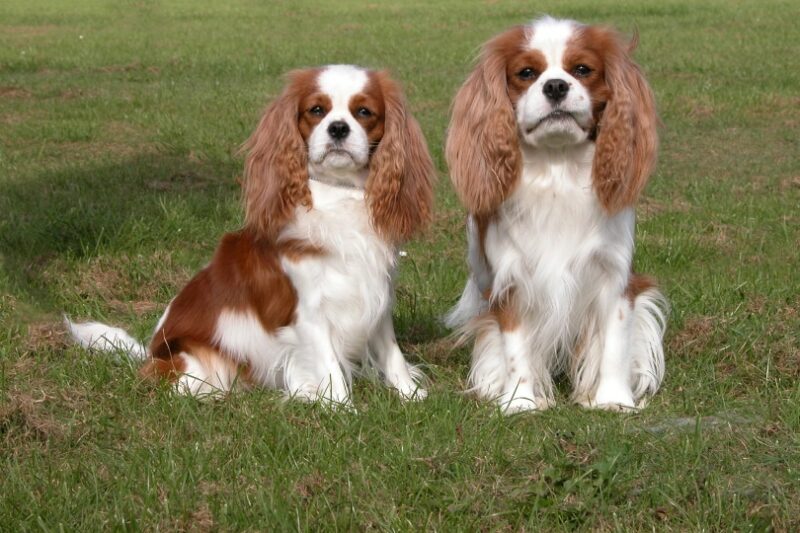
As a dog lover, it‘s hard not to be charmed by the gentle, affectionate nature of the Cavalier King Charles Spaniel. With their silky coats, expressive faces, and undeniably regal air, these little spaniels have captured hearts for centuries. Today, Cavaliers are beloved companion dogs around the world, prized for their adaptability and sweet dispositions. If you‘re considering welcoming one of these pint-sized pups into your life, you may be wondering: just how big do Cavalier King Charles Spaniels get? Let‘s take a closer look at Cavalier size, growth, and history to find out.
Cavalier King Charles Spaniel Size
According to the breed standard set forth by the American Kennel Club (AKC), a full-grown Cavalier King Charles Spaniel should fall into the following size ranges:
- Males: 12 to 13 inches tall at the shoulder, weighing 13 to 18 pounds
- Females: 11 to 12 inches tall at the shoulder, weighing 11 to 16 pounds
It‘s worth noting that male Cavaliers are typically a bit larger than their female counterparts. However, the size difference between the sexes is not as pronounced as in some other breeds. Aside from this slight variation, male and female Cavaliers are quite similar in both appearance and personality.
Of course, as with any breed, individual dogs may fall slightly outside of these ranges. Some Cavaliers may be a bit taller or shorter, heavier or lighter. However, responsible breeders aim to produce dogs that exemplify breed type in all aspects, including size. A significantly over- or undersized Cavalier may indicate an underlying health issue or a breeder not adhering to breed standards.
So, how do Cavaliers compare to other popular small dog breeds? Here‘s a quick size comparison:
| Breed | Average Height (Inches) | Average Weight (Pounds) |
|---|---|---|
| Cavalier King Charles | 11-13 | 11-18 |
| Pug | 10-13 | 14-18 |
| Shih Tzu | 9-10.5 | 9-16 |
| Yorkshire Terrier | 7-8 | 7 or less |
| Miniature Poodle | 10-15 | 10-15 |
As you can see, Cavaliers fall into the small-to-medium size range among companion breeds. They‘re generally a bit taller and heavier than toys like Yorkies, but not quite as sturdy as breeds like Pugs or Mini Poodles.
Cavalier Growth and Development
Cavalier puppies are born weighing just a few ounces, but they grow rapidly in their first few months of life. Here‘s a general timeline of Cavalier King Charles Spaniel growth and development:
- Birth-2 weeks: Newborn Cavaliers are fully reliant on their mother, blind and deaf to the world around them. They may double their birth weight during this period.
- 2-4 weeks: Cavalier puppies begin to open their eyes and ears, giving them a new awareness of their surroundings. Their first baby teeth start to emerge.
- 4-6 weeks: Weaning begins as Cavalier pups transition from mother‘s milk to solid puppy food. They become more mobile and playful, exploring their environment.
- 6-8 weeks: Most Cavalier puppies have their full set of baby teeth by this age. They are ready to leave their mother and littermates for their forever homes.
- 2-4 months: Cavaliers experience a period of rapid growth and development, both physically and mentally. This is a crucial socialization window.
- 4-6 months: Growth begins to slow, but teething continues as adult teeth start to come in. Cavaliers may go through an awkward "teenage" stage.
- 6-8 months: Cavaliers reach adolescence, marked by more independent thinking and boundary-testing. Consistent training is key during this phase.
- 8-12 months: Cavaliers approach their adult height as their growth plates close. They may continue to fill out and build muscle tone.
- 1-2 years: Cavaliers reach full maturity physically and mentally. They have their full adult coat and have finished filling out.
It‘s important to note that small breeds like the Cavalier do tend to mature faster than their larger cousins. However, they are still puppies with developing bodies and minds until 6-8 months of age. Avoid over-exercising young Cavaliers, as their bones and joints are still growing. Providing appropriate nutrition, socialization, training, and veterinary care during the crucial puppy stage sets the foundation for a healthy, well-adjusted adult Cavalier.
Factors That Influence Cavalier Size
While the breed standard gives us a good idea of the ideal size for Cavaliers, individual dogs may vary due to a combination of factors:
- Genetics: Like all inherited traits, size is largely determined by a Cavalier‘s genetic makeup. Puppies from larger parents may grow to be on the taller and heavier side of the spectrum.
- Breeder Goals: Not all Cavalier breeders are created equal. Ethical breeders prioritize health, temperament, and adherence to breed standards. They aim to produce well-rounded dogs, not size extremes. Be wary of breeders advertising "teacup" or "miniature" Cavaliers.
- Nutrition: A balanced, nutrient-rich diet is essential for healthy Cavalier growth and development. Puppies have different nutritional needs than adults. Consult with your veterinarian to choose an appropriate food for each life stage.
- Health: Underlying health conditions like heart disease, hip dysplasia, or luxating patellas can impact a Cavalier‘s growth and ultimate size. This is why health screening of parent dogs is so vital for producing healthy litters.
While these factors may lead to slight size variations among individual Cavaliers, a purebred Cavalier King Charles Spaniel should still fall within the general height and weight ranges outlined in the breed standard. If you come across a breeder producing atypically large or small Cavaliers, proceed with caution and ask about health testing and breeding practices.
Choosing a Cavalier Breeder
If you have your heart set on a Cavalier King Charles Spaniel, it‘s crucial to do your homework and choose a reputable breeder. Look for breeders who:
- Health test all breeding dogs for genetic conditions common to Cavaliers, like heart disease and eye disorders
- Provide health clearances and guarantees for their puppies
- Allow you to visit their facility and meet the parent dogs
- Ask you questions about your lifestyle and why you want a Cavalier to ensure a good fit
- Are open and knowledgeable about the breed and its care requirements
- Focus on breeding healthy, well-tempered dogs that meet breed standards
Avoid breeders who:
- Cannot provide health clearances or information about their breeding dogs
- Produce very small "teacup" or very large Cavaliers outside of breed standards
- Have multiple litters available at all times or always seem to have puppies for sale
- Will not let you see where their dogs are kept or do not ask you any questions
- Seem more interested in making a sale than finding a good home for their puppies
Choosing an ethical breeder may mean being put on a waiting list for a puppy or paying a bit more upfront. However, supporting responsible Cavalier breeders is an investment in your future dog‘s health and well-being. A reputable breeder will be a valuable resource and partner throughout your Cavalier‘s life.
A Regal History
Equally as fascinating as the Cavalier‘s size and growth is the breed‘s long and storied history. As their name suggests, these little spaniels were the favored companions of British monarchs and aristocrats in the 16th through early 19th centuries.
In fact, the breed is named for King Charles II, who was rarely seen without a few of his beloved spaniels by his side. These early Cavalier ancestors were known as "comforter spaniels," cherished for their sweet, soothing natures and ability to warm laps and hearts in drafty royal residences.
Over time, the Cavalier fell out of favor as a royal companion and nearly disappeared altogether. In the 1920s, a dedicated group of breeders set out to resurrect the breed, using old paintings and tapestries as their guide. The result was the Cavalier King Charles Spaniel we know and love today – a beautiful, gentle dog that retains the regal bearing and affectionate spirit of its noble ancestors.
A Friendly, Adaptable Companion
It‘s easy to see why Cavaliers have made such a successful transition from royal courts to modern family homes. These are happy, friendly little dogs with an eager-to-please attitude and an affinity for human companionship.
Cavaliers are known for their adaptability and even temperaments. They tend to be patient with children, friendly with other dogs and pets, and content with moderate exercise and activity levels. Whether taking a quick walk around the block or curling up for a Netflix marathon on the couch, Cavaliers are up for just about anything as long as they are by your side.
Of course, every dog is an individual, and Cavaliers are no exception. Some may be more reserved while others are outgoing and exuberant. Socialization and training are essential for raising a well-rounded Cavalier, no matter their natural disposition. Like all dogs, Cavaliers thrive on clear, consistent leadership and positive reinforcement training methods.
Keeping Cavaliers Healthy
For all their many wonderful traits, Cavaliers are not without their health concerns. As a breed, Cavaliers are prone to certain genetic conditions like mitral valve disease (a heart condition), hip dysplasia, luxating patellas (knee issues), and certain eye disorders.
Responsible breeders screen their breeding stock for these issues and are open about the health histories of their dogs. However, it‘s still important for Cavalier owners to be proactive about their dog‘s health through regular veterinary check-ups, screening tests, and preventive care.
One simple way to promote your Cavalier‘s overall health is to keep them at a healthy weight. Obesity can exacerbate joint issues, heart problems, and other health concerns. To help your Cavalier maintain a healthy body condition:
- Measure out food portions according to the packaging or your vet‘s recommendations. Avoid "eyeballing" servings.
- Limit treats and table scraps. Make treats an occasional reward, not a daily indulgence.
- Ensure your Cavalier gets adequate exercise through walks, playtime, and interactive toys. Aim for at least 30 minutes of moderate activity per day.
- Work with your veterinarian to adjust your Cavalier‘s diet and exercise plan as they age. Senior dogs have different needs than puppies or active adults.
By staying on top of your Cavalier‘s health and working closely with your breeder and vet, you can help your little spaniel lead a long, happy, and healthy life.
Cavalier Grooming Needs
Another factor to consider when bringing home a Cavalier is grooming. With their long, silky coats, Cavaliers do require a bit more maintenance than a short-haired breed. However, they don‘t need expensive trips to the groomer or hours of daily brushing to stay looking their best.
Most pet Cavaliers do well with a good brush-out two to three times per week with a pin brush or slicker brush. This helps remove tangles, distribute natural skin oils, and keep their coat looking shiny and healthy. Pay special attention to areas prone to matting, like behind the ears, under the legs, and along the tail.
Cavaliers, like all floppy-eared breeds, also need regular ear cleaning to prevent infections. Use a dog-safe ear cleaner and cotton balls to gently wipe out the visible part of the ear canal. If you notice redness, discharge, or a foul odor coming from your Cavalier‘s ears, it‘s time for a trip to the vet.
Other grooming tasks include regular nail trims (usually every 2-4 weeks), tooth brushing with a dog-safe toothpaste, and the occasional bath as needed. Keeping up with these grooming tasks not only keeps your Cavalier looking their best, but also allows you to catch any potential health issues early on.
Conclusion
From their humble beginnings as royal companions to their current status as beloved family pets, Cavalier King Charles Spaniels have been charming dog lovers for centuries. While they may be small in stature, averaging 11-13 inches tall and 11-18 pounds, Cavaliers are big on personality and heart.
As with any breed, it‘s important to do your research and choose a reputable breeder when adding a Cavalier to your family. Look for breeders who prioritize health, temperament, and adherence to breed standards, not just size or aesthetics.
With their friendly, adaptable natures, Cavaliers can make wonderful companions for all sorts of households. They do well with children, other dogs, and in a variety of living situations. Of course, every dog is an individual, and all Cavaliers benefit from positive socialization and training to help them reach their full potential.
By providing your Cavalier with a balanced diet, regular exercise, and preventive health care, you can help them stay in tip-top shape from puppyhood through their senior years. And with a little regular grooming and TLC, your Cavalier will always be looking and feeling their best.
In the end, the Cavalier King Charles Spaniel may be small in size, but they have a big place in the hearts of dog lovers around the world. These gentle, affectionate little spaniels have a long history and a bright future as cherished companions and four-legged family members.