Are Dog Cafes Good for Dogs? A Dog Lover‘s Perspective
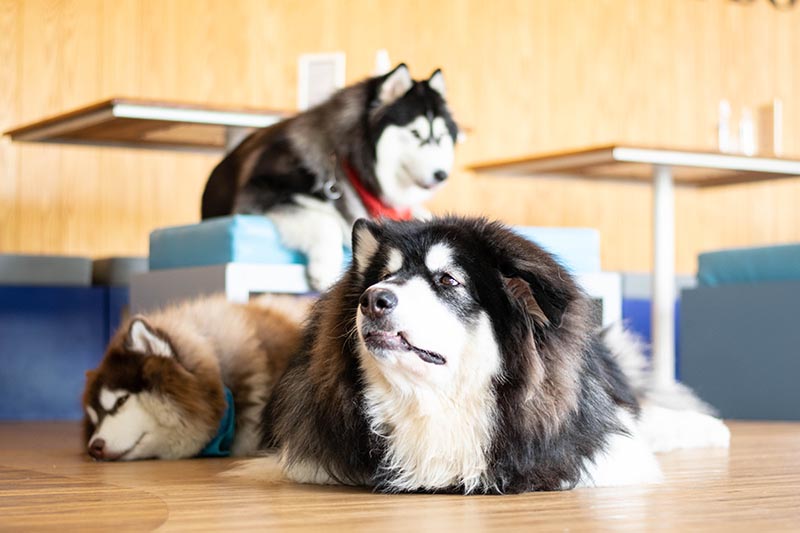
As a dog lover, the idea of spending an afternoon surrounded by wagging tails and furry faces is undeniably appealing. Dog cafes, which have been gaining popularity around the world in recent years, offer just that opportunity. But while these establishments may seem like a fun and innovative way to interact with dogs, it‘s important to consider whether they are truly good for the animals involved. In this post, we‘ll take a closer look at the history and growth of dog cafes, examine the potential benefits and drawbacks for dogs, and explore what factors contribute to a dog-friendly and welfare-focused establishment.
The Rise of Dog Cafes: A Global Phenomenon
The concept of animal cafes first emerged in Taiwan in 1998, with the opening of the world‘s first cat cafe in Taipei. The idea quickly caught on in Japan, where cat cafes became a popular destination for urban dwellers looking for a cute and cuddly fix. According to a 2017 report by the World Animal Protection organization, there are now over 140 cat cafes in Japan alone, with many more scattered across Asia, Europe, and North America.
As the popularity of cat cafes grew, entrepreneurs began to explore other animal-themed cafe concepts. Dog cafes, in particular, have seen a surge in popularity in recent years. The first dog cafe, Bau House, opened in Seoul, South Korea in 2010, and the concept quickly spread to other countries. In the United States, dog cafes have popped up in major cities like Los Angeles, New York, and Seattle, often with a focus on facilitating adoptions and promoting responsible dog ownership.
| Country | Number of Dog Cafes (Estimate) |
|---|---|
| South Korea | 150+ |
| Japan | 50+ |
| United States | 30+ |
| Thailand | 20+ |
| Canada | 10+ |
Data compiled from various sources, including media reports and industry websites.
The Potential Benefits of Dog Cafes
When done right, dog cafes can offer several potential benefits for both dogs and human visitors. For shelter dogs, these cafes provide valuable opportunities for socialization and interaction with a variety of people. Regular socialization can help these dogs develop better manners, reduce anxiety, and increase their chances of being adopted into loving homes.
A 2019 study published in the journal Animals found that shelter dogs who participated in a socialization program showed significant improvements in their behavior and adoptability. The study, which involved 12 shelter dogs in Italy, found that after just 12 sessions of positive reinforcement training and socialization with volunteers, the dogs showed reduced signs of stress and increased social behavior.
For human visitors, interacting with dogs has been shown to have numerous psychological and physiological benefits. A 2019 meta-analysis published in the journal Frontiers in Psychology found that animal-assisted interventions, including interactions with dogs, can lead to significant reductions in depression, anxiety, and loneliness. The analysis, which included 28 studies and over 1,200 participants, also found that these interactions can lead to increased feelings of well-being and quality of life.
The Potential Drawbacks of Dog Cafes
Despite the potential benefits, there are also valid concerns about the welfare of dogs in cafe settings. One of the primary issues is the stress and anxiety that can be caused by constant exposure to new people and stimuli. While some dogs may thrive in a busy, social environment, others may find it overwhelming and stressful.
A 2018 study published in the journal Applied Animal Behaviour Science found that dogs in a dog cafe in Japan showed signs of stress and anxiety, including increased panting, yawning, and lip licking. The study, which involved 17 dogs over a period of four months, also found that the dogs spent more time resting and less time interacting with visitors as the study progressed, suggesting that the constant stimulation may have been taking a toll on their well-being.
Another concern is the risk of injury or mishandling by inexperienced visitors. While most dog cafes have rules in place to ensure the safety of both dogs and humans, accidents can still happen. Dogs may become overstimulated or anxious, leading to defensive biting or other aggressive behaviors. Visitors who are not familiar with dog body language or proper handling techniques may also inadvertently cause harm or discomfort to the animals.
What Makes a Dog Cafe Ethical?
So, what separates a reputable, welfare-focused dog cafe from one that puts dogs at risk? Here are some key factors to consider:
1. Strict rules and supervision
A good dog cafe will have clear guidelines in place to ensure the safety and comfort of both dogs and visitors. This may include requiring visitors to wash their hands before interacting with dogs, prohibiting rough play or picking up dogs without permission, and closely monitoring interactions to intervene if necessary.
2. Designated quiet areas
Even the most social dogs need a break sometimes. An ethical dog cafe will provide designated quiet spaces where dogs can retreat if they feel overwhelmed or need some alone time. These areas should be off-limits to visitors and provide a safe, comfortable place for dogs to rest and recharge.
3. Focus on dog welfare
A reputable dog cafe will always prioritize the physical and emotional well-being of the dogs in their care. This means providing regular veterinary check-ups, proper nutrition, and plenty of exercise and enrichment activities. It also means being willing to turn away visitors or end interactions if a dog shows signs of stress or discomfort.
4. Thorough screening and training
To ensure the safety of both dogs and visitors, a good dog cafe will thoroughly screen and train all staff members. This includes providing education on dog body language, behavior, and handling techniques, as well as setting clear expectations for appropriate interactions with the animals.
Real-World Examples
One example of a dog cafe that prioritizes animal welfare is The Dog Cafe in Los Angeles. Founded in 2016, The Dog Cafe partners with local shelters and rescue organizations to provide a space for adoptable dogs to socialize and find forever homes. The cafe has strict rules in place to ensure the safety and comfort of the dogs, including requiring visitors to sign a waiver and undergo a short training session before entering the dog area. They also limit the number of visitors at any given time to prevent overcrowding and provide plenty of quiet spaces for dogs to retreat if needed.
Another example is the Barking Lot Cafe in Seattle, which focuses on providing a low-stress environment for both dogs and visitors. The cafe has separate play areas for large and small dogs, as well as a designated quiet room for dogs who need a break from the action. They also require all visitors to make a reservation in advance to ensure that the space doesn‘t become overcrowded or overwhelming for the dogs.
A Dog Lover‘s Perspective
As a lifelong dog lover and proud owner of two rescue dogs, I have mixed feelings about dog cafes. On one hand, I love the idea of being able to grab a coffee and spend some quality time with a bunch of adorable pups. I also appreciate the role that these cafes can play in promoting adoption and raising awareness about animal welfare issues.
However, I also know firsthand how stressful and overwhelming new environments can be for dogs, especially those who have experienced trauma or neglect. I‘ve seen the way my own dogs can become anxious or overstimulated in crowded, noisy spaces, and I worry about the impact that constant exposure to new people and stimuli could have on the dogs in these cafes.
Ultimately, I believe that the key to creating a positive and ethical dog cafe experience is to always put the needs and well-being of the dogs first. This means creating a safe, comfortable environment with plenty of opportunities for rest and relaxation, as well as close supervision and clear guidelines for visitors. It also means being willing to turn away business if necessary to ensure that the dogs are not being pushed beyond their limits.
The Bottom Line
Dog cafes can be a wonderful way for animal lovers to connect with dogs and support adoption efforts, but it‘s crucial that these establishments prioritize the welfare and well-being of the dogs above all else. By doing thorough research, choosing reputable cafes with strict safety protocols and a clear commitment to animal welfare, and following all rules and guidelines during visits, we can help ensure that dog cafes are a positive experience for everyone involved.
At the same time, it‘s important to remember that dog cafes are just one piece of the puzzle when it comes to promoting animal welfare and finding loving homes for dogs in need. By supporting local shelters and rescue organizations, considering alternative socialization and adoption options, and being responsible and attentive dog owners ourselves, we can all play a role in creating a better world for our furry friends.
Sources
-
World Animal Protection. (2017). "Cruel Cargo: The negative impact of wildlife trade on animals, people and the environment." https://www.worldanimalprotection.org/sites/default/files/media/int_files/cruel-cargo-report.pdf
-
Menchetti, L., Mancini, S., Catalani, M. C., Boccini, B., & Diverio, S. (2019). "Socialization and positive reinforcement training of shelter dogs: Impact on behavior and adoption." Animals, 9(12), 1081. https://doi.org/10.3390/ani9121081
-
Beetz, A., Uvnäs-Moberg, K., Julius, H., & Kotrschal, K. (2019). "Psychosocial and psychophysiological effects of human-animal interactions: The possible role of oxytocin." Frontiers in Psychology, 10, 1074. https://doi.org/10.3389/fpsyg.2019.01074
-
Uetake, K., Uchida, H., & Tanaka, T. (2018). "Behavioral and physiological assessment of dog welfare in commercial dog cafes." Applied Animal Behaviour Science, 204, 94-100. https://doi.org/10.1016/j.applanim.2018.04.002