Are Golden Retrievers the Right Dog for You? A First-Time Owner‘s Guide

As a lifelong dog lover and golden retriever owner myself, I know firsthand the joys and challenges of living with this beloved breed. Often topping the list of America‘s most popular dogs, golden retrievers are prized for their friendly, eager-to-please personalities and striking golden coats. But before you fall head over heels for a cute golden puppy, it‘s crucial to understand what it really takes to care for this active, intelligent breed.
In this comprehensive guide, we‘ll cover everything a first-time owner needs to know about golden retrievers, from their physical characteristics and temperament to their exercise, training, and health needs. We‘ll dive into the pros and cons of golden retriever ownership and help you decide if this is the right breed for your lifestyle.
The Golden Retriever at a Glance
According to the American Kennel Club, golden retrievers are currently the third most popular breed in the United States, behind only Labrador retrievers and German shepherds. Originally bred as gun dogs to retrieve waterfowl in the 19th century, goldens have become beloved family pets known for their outgoing, friendly nature.
Some key characteristics of golden retrievers include:
- Size: Goldens are large dogs, with males standing 23-24 inches tall and weighing 65-75 pounds, and females standing 21.5-22.5 inches tall and weighing 55-65 pounds.
- Lifespan: The average lifespan for a golden retriever is 10-12 years.
- Coat: Golden retrievers have a dense, water-repellent double coat that can range in color from light golden to dark golden. They shed moderately year-round and heavily twice a year.
- Temperament: The breed standard describes goldens as "friendly, reliable, and trustworthy." They are typically outgoing, eager to please, and good with children and other pets.
While these characteristics may sound appealing, it‘s important to recognize that every dog is an individual. Within the golden retriever breed, there is a range of energy levels, trainability, and personalities. Researching the breed is a good start, but interacting with many goldens in person will give you the best sense of what to expect.
Exercise and Activity Needs
As sporting group dogs bred for physically demanding work, golden retrievers have high exercise needs. Kristina Carmody, CPDT-KA and owner of Big Sky Dog Training, says, "Golden retrievers require an hour or more of exercise daily. Without sufficient physical and mental activity, they can become bored, destructive, and difficult to manage."
Some activities that golden retrievers enjoy include:
- Running, hiking, and swimming
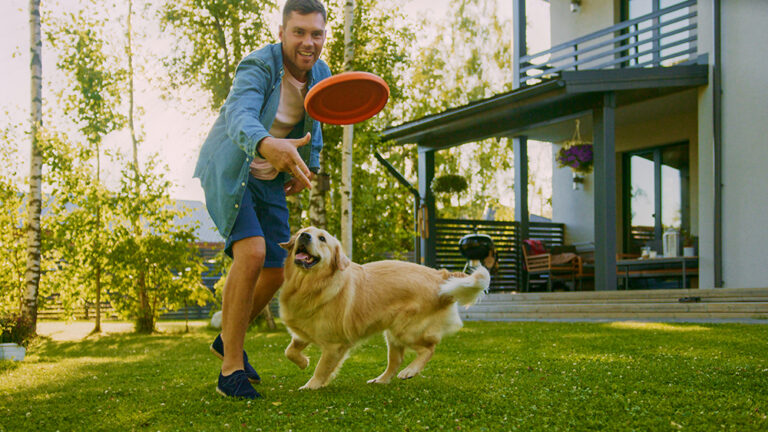
- Playing fetch and frisbee
- Participating in dog sports like agility, dock diving, and obedience
- Going on outings and adventures with their owners
- Playing with puzzle toys and interactive toys
While a daily walk is a good start, golden retrievers thrive with more strenuous activities that engage their bodies and minds. If you live a sedentary lifestyle or have limited time for exercise, a lower-energy breed may be a better fit.
Training and Socialization
Golden retrievers are intelligent, eager to please, and relatively easy to train, but like all dogs, they require positive, consistent training from an early age. Goldens can be easily distracted, slow to mature, and prone to jumping up on people or pulling on leash if not taught polite manners.
Some key training tips for golden retrievers include:
- Start socialization and basic obedience training as early as possible, ideally in puppyhood
- Use positive reinforcement techniques like praise, play, and treats to encourage desired behaviors
- Be patient and consistent with training, as goldens can take longer to mature mentally than some breeds
- Teach impulse control and calm behaviors, as goldens can be overly enthusiastic greeters
- Participate in group obedience classes or work with a professional positive trainer for guidance
Golden retrievers also benefit from early and ongoing socialization to a variety of people, animals, and environments. Well-socialized goldens are more likely to grow into confident, friendly adult dogs.
Grooming and Care
Golden retrievers have a lustrous double coat that requires regular maintenance. They shed moderately throughout the year and heavily during shedding seasons in spring and fall.
To keep a golden retriever‘s coat healthy and minimize shedding, they need:
- Brushing at least once a week, and daily during heavy shedding periods
- Bathing every 1-2 months, or as needed if they get dirty
- Regular ear cleaning and nail trimming
- Occasional professional grooming for a neater appearance
In addition to coat care, golden retrievers need a high-quality diet, regular dental care, and preventative healthcare like vaccines and parasite control. As large breed dogs, they may also benefit from joint supplements or specialized diets to support their musculoskeletal health.
Health and Lifespan
While golden retrievers are generally healthy dogs, they are prone to certain genetic health conditions. According to the Golden Retriever Club of America, some of the most common health issues in goldens include:
- Hip dysplasia (affecting an estimated 20-40% of goldens)
- Elbow dysplasia (estimated 10-20%)
- Eye disorders like cataracts, progressive retinal atrophy, and glaucoma
- Heart disease like dilated cardiomyopathy and subvalvular aortic stenosis
- Cancer, especially hemangiosarcoma, lymphoma, and mast cell tumors
To increase the chances of getting a healthy golden retriever, choose a reputable breeder who health tests their breeding dogs and provides health guarantees. Adopting an adult golden from a rescue organization is another option to consider.
Providing appropriate exercise, nutrition, and preventative care can also help golden retrievers live longer, healthier lives. The average lifespan for a golden is 10-12 years, but some goldens have lived well into their teen years.
Is a Golden Retriever Right for You?
Now that you have a more in-depth understanding of golden retrievers, it‘s time to consider if this breed is the right fit for your lifestyle and personality. Golden retrievers can be wonderful companions for active, patient, and affectionate owners who are committed to providing the training, exercise, and care they need.
However, golden retrievers may not be the best choice for first-time owners who:
- Work long hours or travel frequently, leaving the dog alone
- Live a sedentary lifestyle or have limited time for exercise and training
- Prefer a low-shedding, low-maintenance coat
- Want a guard dog or a more independent breed
- Can‘t afford the cost of food, grooming, and veterinary care for a large breed dog
As a first-time owner, it‘s important to do your research, be honest about what you‘re looking for in a dog, and choose a breed that fits your lifestyle. If a golden retriever isn‘t the right match, there are many other wonderful breeds and mixed breeds to consider.
The Joys of Living with a Golden Retriever
If you decide that a golden retriever is the perfect dog for you, you‘ll be rewarded with a devoted, loving companion who will bring joy and laughter to your life. As a golden owner myself, I can attest to the special bond that forms between a golden and their human family.
Golden retrievers have a way of touching our hearts with their goofy antics, gentle nature, and unconditional love. They are known for their "soft mouth" retrieving style, carrying objects (and sometimes human hands) with a delicate touch. They often seem to sense our emotions and offer comfort when we need it most.
Beyond being beloved family pets, golden retrievers excel in many roles that showcase their intelligence, trainability, and friendly temperament. They often work as service dogs, therapy dogs, search and rescue dogs, and hunting companions. No matter what role they fill, goldens have a gift for making people smile and feel loved.
Of course, living with a golden retriever isn‘t all sunshine and rainbows. They can test our patience with their energetic antics, shed enough to make a new dog, and occasionally find creative ways to get into mischief. But for golden lovers like me, the challenges are all worth it for the privilege of sharing our lives with these special dogs.
Final Thoughts
Bringing a golden retriever into your life is a big decision that shouldn‘t be taken lightly. As a first-time owner, it‘s crucial to do your research, choose a reputable breeder or rescue organization, and be prepared for the time, energy, and financial commitment of responsible dog ownership.
If you‘re ready for the joys and challenges of living with a golden retriever, you‘ll be rewarded with a loyal, loving companion who will bring light and laughter to your life. As the saying goes, "A golden retriever is a smile with four paws and a wagging tail." And who couldn‘t use more of that in their life?