Pitbull Labradoodle Mixed Dog Breed: Pictures, Info, Care, & Traits
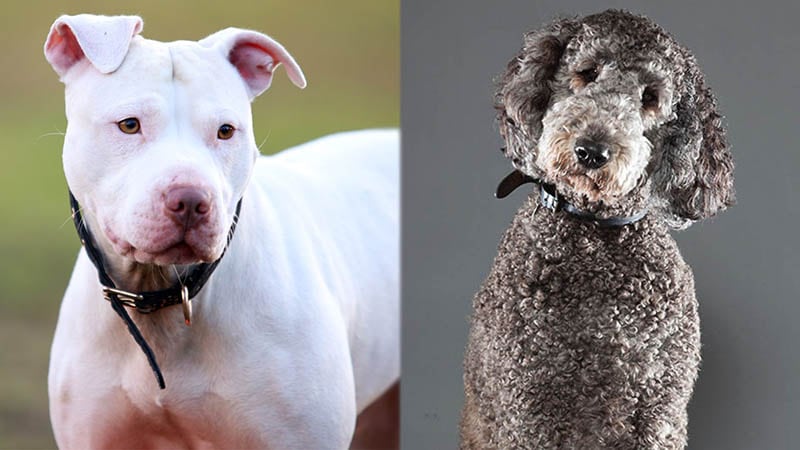
The Pitbull Labradoodle Mix: A Comprehensive Guide to This Unique Hybrid Breed
Are you looking for an active, friendly and protective dog that can be a devoted family companion? The Pitbull Labradoodle mix may be the perfect choice. Also known as a Doodlepit or Pitdoodle, this relatively new hybrid combines some of the best traits of its parent breeds – the American Pit Bull Terrier, Labrador Retriever, and Poodle.
Whether you‘re already smitten with this unique mixed breed or are considering adding one to your home, this in-depth guide will tell you everything you need to know. We‘ll cover the Pitbull Labradoodle‘s history, characteristics, care requirements, and more so you can decide if this is the right dog for you and give them the best possible life. Let‘s dive in!
Breed Overview
The Pitbull Labradoodle mix is a medium to large hybrid dog, typically weighing between 30 to 65 pounds and standing 17 to 25 inches tall at the shoulder. Since they are a mixed breed, their appearance can vary quite a bit. They may have a coat that is short and smooth like a Pitbull, thick and wavy like a Labrador, or longer and curly like a Poodle, or some combination of those.
Common coat colors include black, white, yellow, chocolate, red, blue, and fawn. They typically have a muscular, athletic build like the Pitbull and Labrador, with a wide head, floppy ears, and a straight or slightly curved tail. Their muzzle is usually medium-length and they have a scissors bite. Eye color is usually brown but can also be blue, green or amber.
The Pitbull Labradoodle‘s history is a bit murky since they are a newer hybrid without detailed breeding records. However, it‘s likely that breeders began intentionally crossing American Pit Bull Terriers with Labradoodles (Labrador/Poodle crosses) in the early 2000s to create a friendly, low-shedding family dog with protective instincts. Some may also have Pitbull/Labrador mixes (Labrabulls) or Pitbull/Poodle mixes (Pit Boodles) in their ancestry.
While Pitbull Labradoodles are not currently recognized by the American Kennel Club since they are a mixed breed, some hybrid breed registries like the Dog Registry of America, Inc. (DRA) and American Canine Hybrid Club (ACHC) do recognize and register them.
Temperament and Personality
Pitbull Labradoodles are known for being friendly, energetic, and deeply loyal to their families. They bond closely with their humans and want to be involved in all your daily activities. While protective, they are not typically aggressive without cause. Early socialization and training is important to bring out their best qualities.
These dogs have an energetic and playful streak thanks to their Pitbull and Labrador heritage. They love romping and playing with their humans and other dogs they know well. Interactive toys and puzzle feeders are a great way to keep their active minds busy. Pitbull Labradoodles also tend to maintain a puppy-like attitude and spunk well into adulthood.
At the same time, the Poodle influence adds a highly intelligent and trainable side to this hybrid. Pitbull Labradoodles are very smart dogs that are eager to learn. They excel at obedience, agility, tricks, and other canine sports. Positive reinforcement using praise, play and treats works wonders with this breed.
While they are not big barkers, Pitbull Labradoodles make excellent watchdogs thanks to their protective and alert nature. They will definitely let you know if something seems amiss. Socialization is important to teach them what is a true threat vs what is normal. With their family they are goofy, affectionate lovebugs.
Pitbull Labradoodles usually get along well with children, other dogs, and even cats if raised together. However, their strength and energy can be too much for very small children and pets. Always supervise them around little ones and teach the kids how to treat dogs with respect. They may have a strong prey drive towards small animals like rodents thanks to their Pitbull side.
Living Needs
The Pitbull Labradoodle is a versatile breed that can adapt to many different living situations as long as their needs are met. They can thrive in both apartments and houses with yards. No matter the size of your home, they need at least one long walk and some active playtime daily to stay happy and healthy.
Access to a securely fenced yard where they can run and play is ideal. If you live in an apartment or condo, make sure to give them plenty of indoor play and enrichment as well as outdoor adventures to meet their exercise needs. At minimum, expect to provide an hour of physical activity per day, broken up into a few sessions. Hiking, swimming, fetch, and dog sports are all great options.
In addition to physical exercise, this smart hybrid needs plenty of mental stimulation too. They are quick learners and need a job to do, whether that is learning new tricks and commands, solving puzzle toys, competing in canine sports, or participating in obedience and agility classes. Without enough activity and enrichment, they may develop unwanted behaviors like excessive chewing, digging, or barking.
While they may look intimidating, Pitbull Labradoodles are not well suited to being outdoor-only dogs. They thrive on human companionship and being part of the family. Alone time should be kept to a minimum as they can develop separation anxiety. They do best in active households where someone is home for most of the day, or can come home for midday walks.
As with any dog, the Pitbull Labradoodle needs early socialization and consistently positive training to be a well-rounded canine citizen. Introduce them to many different people, animals, places, sights, sounds, and textures from an early age. Obedience classes are highly recommended. Always use reward-based training as harsh methods can damage your relationship.
Grooming and Care
The Pitbull Labradoodle‘s grooming needs will vary depending on what type of coat they inherit. The shorter, smoother Pitbull-like coat is very low maintenance, requiring little more than basic brushing and the occasional bath. If they have the thicker double coat of a Labrador, they will shed more and need weekly brushing plus extra during shedding seasons. A longer, curlier Poodle-like coat will need daily brushing to prevent mats and tangles.
No matter the coat type, you will also need to trim your Doodlepit‘s nails every few weeks, brush their teeth daily, and clean their ears weekly to prevent wax and moisture build up that can lead to infections. It‘s best to get your Pitbull Labradoodle used to being brushed and handled from puppyhood so grooming is a positive experience.
While there is no such thing as a truly hypoallergenic dog, Pitbull Labradoodles with curlier Poodle-like coats may not trigger symptoms in some allergy sufferers. This is because they tend to shed less and produce less dander than other coat types. However, no dog is 100% allergen free, so it‘s best to spend time around them beforehand if you have allergies to see how you react.
In addition to grooming, your Pitbull Labradoodle will need a complete and balanced diet formulated for their life stage, size, and activity level. Look for a high-quality food that lists a whole animal protein source like chicken, beef, or fish as the first ingredient. Avoid artificial colors, flavors, and preservatives. Your vet can recommend an appropriate portion size.
Make sure your Doodlepit always has access to fresh, clean water as well. Avoid feeding them table scraps, especially fatty, spicy or toxic human foods. Stick to canine-friendly treats and chews. Interactive feeders and food puzzles are a great way to make them work for their food and provide mental stimulation.
Like all dogs, Pitbull Labradoodles should visit the vet at least once a year for a checkup and routine care like vaccinations, dental cleaning, and parasite prevention. Your vet may recommend more frequent visits for puppies, seniors, and dogs with health issues. Spaying/neutering, microchipping, and enrolling in pet insurance are also important steps.
Possible Health Concerns
While mixed breed dogs like the Pitbull Labradoodle benefit from hybrid vigor that makes them generally healthier than purebreds, they can still inherit some health issues from their parent breeds. The most common concerns in Doodlepits include:
Hip and Elbow Dysplasia
This is an inherited condition where the hip or elbow joint does not form properly, leading to pain and lameness. It most often affects large breed dogs. Responsible breeders screen for healthy joints, but it can still occur. Symptoms usually appear in puppyhood or early adulthood. Treatment may include joint supplements, pain medication, weight management, physical therapy, and in severe cases, surgery.
Allergies
Pitbull Labradoodles can inherit allergies from their Labrador and Poodle lineage. Environmental allergies to things like pollen, dust, or grass are most common. Food allergies or sensitivities can also occur. Symptoms include itching, redness, hair loss, and ear or skin infections. Your vet can diagnose allergies through tests and/or elimination trials. Treatment involves reducing exposure to allergens if possible and managing symptoms with medication, special diets, and topical treatments.
Patellar Luxation
Patellar luxation happens when the kneecap slides out of place, causing pain and lameness. It is most common in small dogs but can occur in larger breeds like Pitbulls too. Patellar luxation is usually an inherited condition due to a malformed knee joint. Mild cases can be managed with joint supplements and anti-inflammatory medication, while severe ones may require surgery to correct the alignment.
Hypothyroidism
Hypothyroidism is a common hormonal disorder in dogs where the thyroid gland does not produce enough thyroid hormone. This can lead to weight gain, hair loss, dry skin, and lethargy. It often develops in middle-aged to senior dogs. Hypothyroidism is treated with daily thyroid hormone replacement medication and is usually manageable. Routine blood tests are necessary to monitor thyroid levels.
Gastric Dilatation and Volvulus (GDV or Bloat)
GDV, or bloat, is a life-threatening condition where the stomach fills with gas and twists on itself, cutting off blood supply. Symptoms come on suddenly and include retching, an enlarged stomach, restlessness, and collapse. It requires immediate emergency surgery. Bloat most commonly affects large, deep-chested dogs. Preventive measures include feeding smaller meals throughout the day and avoiding exercise after eating.
Inherited Eye Disorders
Pitbull Labradoodles can be prone to inherited eye disorders like progressive retinal atrophy (PRA), cataracts, and glaucoma thanks to their Labrador and Poodle lineage. PRA is a degenerative disease that leads to night blindness and eventually total vision loss. Cataracts cause the lens of the eye to become opaque, hindering vision. Glaucoma is a painful buildup of pressure in the eye that can lead to blindness. Regular eye exams are crucial to detect issues early. Treatment depends on the specific condition but may involve medication, surgery, or management of vision loss.
To minimize the risk of health problems in your Pitbull Labradoodle, the best thing you can do is get them from a reputable breeder who health tests their stock and breeds for physical and temperamental soundness. Rescues and shelters may also have health information on their Doodlepit dogs and puppies.
No matter where you get your Pitbull Labradoodle from, make sure to keep up with their preventive care like routine vet checkups, vaccinations, and parasite prevention. Feed them a healthy diet, keep their weight in check, and give them plenty of exercise and mental stimulation. With proper care, your Pitbull Labradoodle can live a long, happy and healthy life by your side.
Lifespan
The Pitbull Labradoodle has an average lifespan of 10 to 15 years. This is on par with other medium to large breeds. Many factors influence how long a particular Doodlepit will live, including their genetic background, healthcare, diet, lifestyle, and environment.
You can help maximize your Pitbull Labradoodle‘s lifespan by feeding them a balanced diet, keeping them at a healthy weight, providing plenty of exercise and mental stimulation, keeping up with preventive care, and addressing any health issues promptly. Spaying/neutering, microchipping, and pet insurance are also important.
Fun Facts
- Some famous Pitbull Labradoodle owners include TV personality Cesar Millan, musician Miley Cyrus, and NASCAR driver Kevin Harvick.
- Pitbull Labradoodles make great therapy dogs thanks to their friendly, intuitive nature and trainability. They provide comfort at hospitals, nursing homes, schools, disaster sites, and more.
- The tallest known Pitbull Labradoodle, named Bentley, stood at an impressive 27 inches tall and weighed 95 pounds! Most Doodlepits are between 17 and 25 inches tall.
- Hulk, a famous purebred Pitbull, fathered a litter of adorable Pitbull Labradoodle puppies with a Labradoodle mother in 2019. The unique cross made headlines for its gentle giant look and temperament.
- Doodlepits can have a coat that is short and smooth, long and wavy, curly and wiry or any combination thereof! This depends on which parent breed they take after most. Siblings in the same litter can look quite different.
- The rarest coat color in Pitbull Labradoodles is black and tan. Most are black, white, chocolate, yellow, red or a mix of those.
- Pitbull Labradoodles are sometimes trained as service dogs for individuals with disabilities like autism, PTSD, mobility issues, and more because of their intelligence, trainability, and loyal nature.
Conclusion
The Pitbull Labradoodle mix is a unique and wonderful hybrid dog that combines the best traits of the American Pit Bull Terrier, Labrador Retriever, and Poodle. They are friendly, energetic, protective, and deeply devoted to their families.
While Doodlepits are not for everyone, they can make excellent companions for active households that will give them plenty of exercise, training, and love. They thrive as part of the family and do best when included in all your adventures.
As with any dog breed, the Pitbull Labradoodle requires a lifelong commitment to proper care, training, and socialization. By understanding their needs and quirks, you‘ll be well prepared to give your Doodlepit the happy, healthy life they deserve. Is the Pitbull Labradoodle the right dog for you?