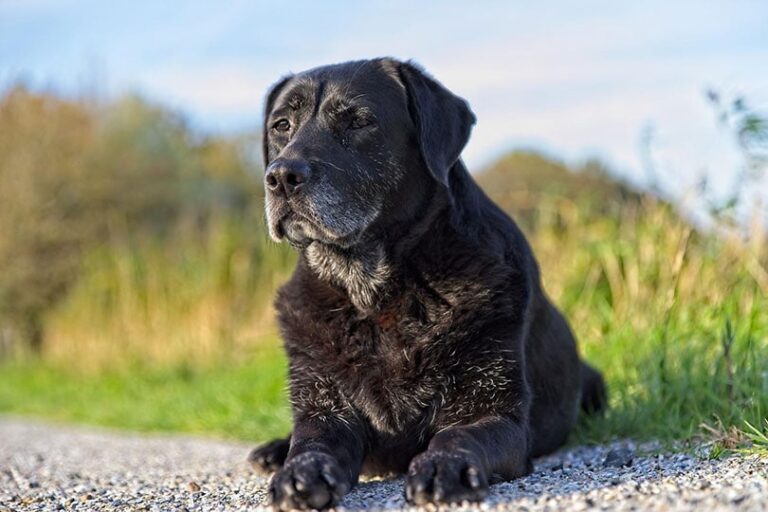
Basset Artesien Normand Dog Breed Guide: Info, Pictures & Care Guide

The Basset Artesien Normand: A Comprehensive Guide to This Charming French Hound
Are you looking for a gentle, sociable dog breed that is content with a couple of leisurely walks per day? If so, the Basset Artesien Normand may be the perfect companion for you. This rare French scent hound is known for its friendly, easygoing temperament and makes a wonderful family pet. Keep reading to learn everything you need to know about the delightful Basset Artesien Normand.
History and Origin
The Basset Artesien Normand was developed in northwestern France (Normandy) in the late 1800s. The breed is believed to be a cross between the Basset Hound and the Normand Pointer. Basset Artesien Normands were originally used for hunting small game such as rabbits and hare. Their short stature allowed them to easily follow prey through dense brush. Over time, they transitioned from hunting dogs to beloved family pets.
Physical Characteristics
Basset Artesien Normands are small to medium sized dogs. They typically stand 12 to 14 inches tall at the shoulder and weigh between 33 and 44 pounds, with males being larger than females. Like other basset-type breeds, they have a long body, short legs, and loose, elastic skin. The head is large and elongated with a slightly domed skull, pronounced stop, and medium-length muzzle. The nose is black with wide nostrils. The ears are set low and are long, wide, and velvety to the touch.
The breed has a short, smooth coat that lies close to the body. Coat colors include black and white, fawn and white, and fawn. Markings often include a black mask and white blaze. The skin is loose and supple without excessive wrinkling.
Temperament
The Basset Artesien Normand is known for its gentle, amiable nature. This breed is friendly with everyone and doesn‘t have a suspicious bone in its body. Their happy-go-lucky, people-pleasing attitude makes them an excellent fit for families with children. Basset Artesien Normands typically get along well with other dogs and can even coexist with cats if raised together. However, these scent hounds do have a strong prey drive, so interactions with smaller pets like rabbits or guinea pigs should be closely supervised.
The Basset Artesien Normand is a sociable dog that loves being around its family. They crave attention and affection from their people and may develop separation anxiety if left alone for long periods. This breed is adaptable to various living situations and can do well in apartments or condos as long as they receive daily walks and quality time with their humans.
Exercise and Activity Level
Basset Artesien Normands have relatively low exercise needs compared to many other breeds. A couple of short 20-30 minute walks per day along with some playtime is usually sufficient to keep them happy and healthy. This breed enjoys taking its time on walks to thoroughly explore all the exciting smells. They also love playing games like hide-and-seek or food puzzles that challenge their nose.
While Basset Artesien Normands are not particularly athletic, they do enjoy participating in scent work and tracking activities. Getting involved in nose work classes or competitions can provide great mental stimulation for these intelligent dogs.
It‘s important for Basset Artesien Normand owners to monitor their dog‘s weight and body condition. This breed is prone to obesity, which can exacerbate health issues like joint problems and back pain. Stick to a regular feeding schedule with controlled portions of a high-quality, nutritionally balanced dog food. Limit treats and table scraps. Consult with your veterinarian to determine an appropriate diet plan for your individual dog.
Grooming and Care
The Basset Artesien Normand‘s short, smooth coat is relatively low maintenance. Weekly brushing with a soft bristle brush or hound glove is usually sufficient to remove loose fur and keep the coat looking shiny and healthy. They shouldn‘t need frequent bathing – every 2-3 months or as needed if they get dirty.
This breed does shed moderately, so regular brushing is helpful for keeping loose hair under control. Rubber grooming gloves or a shedding tool can be useful during seasonal shedding periods.
One important grooming task is checking and cleaning the ears on a weekly basis. The Basset Artesien Normand‘s long, droopy ears are prone to trapping moisture, dirt, and debris, which can lead to ear infections. Use a pet-safe ear cleaning solution and cotton balls to gently wipe out the ears. Contact your veterinarian if you notice any signs of infection like redness, discharge, or a foul odor.
Basset Artesien Normands also require regular nail trims every 3-4 weeks to keep them short and prevent painful splitting or breaking. Introduce nail trims and ear cleanings early on so your dog learns to accept these grooming tasks.
Training
The Basset Artesien Normand is an intelligent breed, but they can be challenging to train. These dogs have an independent streak and can be quite stubborn when they don‘t want to do something. They respond best to positive reinforcement techniques using praise, playtime, and high-value treats as rewards. Harsh corrections are counterproductive and may cause your Basset to shut down.
Early socialization and puppy training classes are essential for teaching good manners and basic obedience. Keep training sessions short and fun to hold your dog‘s attention. Consistency and patience are key. With time and effort, Basset Artesien Normands can learn to be well-behaved companions.
Recall training is especially important for this breed given their strong desire to follow interesting scents. Teaching a reliable recall from a young age can help keep your Basset safe off-leash. Always walk your Basset on a leash or in securely fenced areas, as their nose may lead them to wander.
Health Concerns
The Basset Artesien Normand is generally a healthy breed with an average lifespan of 12-15 years. However, like all purebred dogs, they can be prone to certain genetic health conditions. Some health issues seen in the breed include:
- Hip dysplasia
- Elbow dysplasia
- Invertebral disc disease
- Hypothyroidism
- Eye problems like cherry eye, progressive retinal atrophy, and glaucoma
- Ear infections
- Obesity
Responsible Basset Artesien Normand breeders health test their breeding dogs to help reduce the incidence of inherited conditions. When searching for a puppy, ask breeders about health screenings and for copies of certificates like OFA (Orthopedic Foundation for Animals) and CERF (Canine Eye Registry Foundation) exams.
To keep your Basset Artesien Normand healthy, schedule regular veterinary check-ups, keep them at a healthy weight, feed a high-quality diet, and provide plenty of mental stimulation and moderate exercise. Stairs and jumping on/off furniture should be limited or avoided to protect their back and joints. Using ramps or pet stairs can help your Basset access the bed or couch safely.
Finding a Basset Artesien Normand
The Basset Artesien Normand is still a rare breed, especially outside of France. In the United States, Canada, and the UK, there are only a small handful of reputable breeders. Expect to be placed on a waiting list for a puppy and to pay an average of $1800-$2500, although prices can vary widely.
When searching for a Basset Artesien Normand breeder, do your research to avoid supporting puppy mills or backyard breeders. Look for breeders who are members of breed clubs like the Basset Artesien Normand Club of America and follow the club‘s Code of Ethics. Responsible breeders should health test their dogs, provide a written contract, and allow you to visit their home or kennel to meet the puppies and parent dogs.
Another option is adopting a Basset Artesien Normand from a rescue organization. While this breed is uncommon in rescues, it‘s still worth contacting Basset Hound or rare breed rescues to express your interest. Many rescues also maintain waiting lists for specific breeds.
Is the Basset Artesien Normand Right For You?
The Basset Artesien Normand can be a wonderful companion for the right person or family. They are best suited for homes looking for a low-key, affectionate dog to share leisurely walks and plenty of cuddle time on the couch. Basset Artesien Normands get along well with gentle children and other dogs, making them a great fit for families.
On the other hand, this may not be the ideal breed if you want a highly athletic, obedient dog for competition sports. Basset Artesien Normands can be stubborn and are not always eager to please. They also have a strong prey drive and should not be trusted off-leash. Families with pocket pets like hamsters or rabbits may want to choose a breed with a lower prey drive.
Additionally, the Basset Artesien Normand‘s long back and short legs make them more susceptible to injuries from jumping or navigating stairs. Homes with a lot of stairs may not be the best fit. Prospective owners should also be prepared for some shedding, drooling, and a distinct hound odor.
If you think the friendly, low-maintenance Basset Artesien Normand would be a good match for your lifestyle, be sure to do plenty of research and choose a responsible breeder or rescue organization. With proper care and training, this charming French hound will bring joy, laughter, and plenty of sloppy kisses to your life for many years to come.