
Portuguese Pointer Dog Breed Guide: Info, Pictures, Care & More
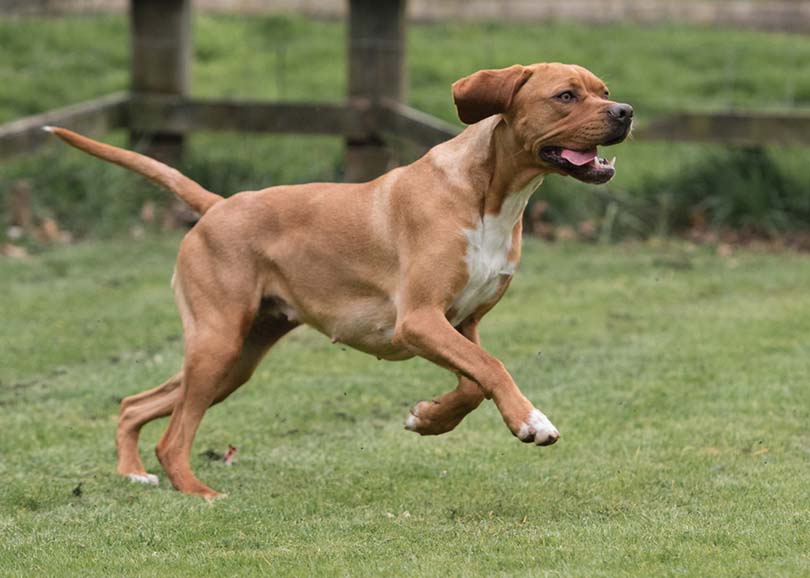
A Comprehensive Guide to the Loyal and Lively Portuguese Pointer
Are you considering adding a Portuguese Pointer to your family? This exceptional hunting breed, though still fairly rare, is gaining popularity as an intelligent, affectionate, and tireless companion. With their athletic build, keen nose, and strong prey drive, Portuguese Pointers can make wonderful additions to active households. However, these dogs are not for everyone – their high energy and extensive exercise needs mean they require dedicated and engaged owners.
In this comprehensive guide, we‘ll take an in-depth look at the Portuguese Pointer – from their origins in Portugal to their characteristics, temperament, care requirements and more. Whether you‘re seriously considering the breed or just want to learn more about these fascinating dogs, read on for everything you need to know about Portuguese Pointers.
Breed Overview
Portuguese Pointers are medium to large sized dogs standing 19-32 inches tall and weighing 35-50 pounds. Females tend to be smaller than males. They have a sleek, muscular build suited to a full day‘s work in the field. The short coat is yellow or fawn colored, sometimes with white markings.
This is a highly energetic, prey-driven breed with immense stamina. Portuguese Pointers need substantial daily exercise and mental stimulation. They are eager to please and responsive to training but can be strong-willed, especially if under-exercised. Early socialization is a must as these dogs can be aloof with strangers. With their own family, Portuguese Pointers are loyal, gentle, and affectionate companions.
Portuguese Pointers at a Glance
Size: Medium to Large, 35-50 pounds, 19-32 inches tall
Coat: Short and smooth, yellow/fawn with or without white markings
Exercise: Minimum of 1 hour vigorous exercise daily, high activity level
Grooming: Brush weekly, bathe only as needed
Trainability: Highly intelligent and responsive, can be strong-willed
Good with kids: Yes, when socialized properly
Good with other pets: Often dog-friendly, but high prey drive with cats and small animals
Lifespan: 12-14 years
Health concerns: Hip dysplasia, deafness, eye disorders, epilepsy
History and Original Purpose
The Portuguese Pointer, also known as the Perdigueiro Português, is thought to have originated in the 12th century to assist falconers and hunters in locating and pointing game birds. Bred for generations as a functional hunting companion, the Portuguese Pointer dog excels at navigating rugged terrain thanks to its power, agility and endurance.
These talented gundogs narrowly escaped extinction after the World Wars and the Portuguese Revolution. Thanks to conservation efforts beginning in the 1970s, the Portuguese Pointer was able to make a comeback. However, they are still a fairly rare breed today, especially outside of Portugal. The Portuguese Kennel Club has worked hard to promote and protect the breed in recent decades.
Exercise and Activity Level
The Portuguese Pointer is an extremely active and energetic dog requiring significant daily exercise to remain happy and well-behaved. An absolute minimum of one hour per day of vigorous walking, running, hiking, fetching, or other aerobic activity is a must for these high-stamina gundogs. They thrive with even more exercise – several hours of activity a day is ideal.
Lacking enough physical and mental exertion, Portuguese Pointers are likely to develop behavior issues like excessive barking, hyperactivity, destructive chewing, or digging. A bored Portuguese Pointer will find ways to burn off that pent-up energy, leading to an unhappy dog and frustrated owner.
Portuguese Pointers are built to work all day in the field, not lounge on the couch for hours. While they can adapt to many living situations with enough exercise, Portuguese Pointers do best with a large fenced yard to run and play in, making them well-suited to active families in homes rather than apartments (though urban living is possible if their exercise needs are sufficiently met).
These dogs enjoy participating in activities with their owners and have excelled in Schutzhund, agility, rally, flyball, dock diving, and more. Mental stimulation through training, puzzle toys, scent work, and interactive play will also help keep an active Portuguese Pointer content.
Training and Socialization
Early and extensive socialization is critical for Portuguese Pointers, especially exposure to new people, animals, and environments. These dogs bond very closely with their own family but tend to be more standoffish with strangers compared to some other breeds. Frequent positive social interactions from puppyhood will help Portuguese Pointers feel more at ease around unfamiliar people and situations.
This is a highly intelligent and trainable breed, but they can also be strong-willed at times, making them best suited to experienced dog owners. Positive reinforcement methods are most effective with Portuguese Pointers – they respond well to treats, praise, and play as rewards. Harsh corrections will only cause these sensitive dogs to shut down.
Obedience training is a must and should begin in puppyhood. Teaching a reliable recall is especially important for Portuguese Pointers given their strong instinct to chase prey. Always walk them on leash and only allow off-leash play in securely fenced areas. Patience and consistency are key, as is working with your Portuguese Pointer‘s natural drive and offering plenty of outlets for their energy.
Grooming and Care
Portuguese Pointers have a short, dense coat that sheds moderately year-round, with heavier shedding seasonally. Weekly brushing with a hound glove or bristle brush will help remove loose fur and keep the coat glossy. Only occasional bathing is needed when the dog becomes dirty.
Dental care is important for this breed, so implement a regular teeth brushing routine and provide safe dental chews. Nails should be trimmed regularly if not worn down naturally. Check the ears weekly for signs of infection and wipe them out carefully as needed.
As very active dogs, Portuguese Pointers may be more prone to orthopedic issues like hip dysplasia and arthritis. Feeding an appropriate diet, maintaining a healthy weight, providing joint supplements, and using ramps or stairs to get in vehicles can all help support their musculoskeletal system. Work closely with your vet to catch any potential issues early.
Health and Lifespan
Portuguese Pointers are generally a healthy breed with an average lifespan of 12-14 years. However, like all breeds, they are prone to certain hereditary health conditions. These include:
- Hip and elbow dysplasia
- Eye disorders like progressive retinal atrophy
- Deafness
- Epilepsy
- Heart disease
- Skin allergies
Not every Portuguese Pointer will develop these issues, but it‘s important to be aware of them. Choose a responsible breeder who health tests their stock and be prepared for potential veterinary expenses down the line.
Feeding and Nutrition
As active, medium-large dogs, Portuguese Pointers require a high-quality diet to support their energy needs. Look for a premium commercial dog food or well-balanced homemade diet appropriate for their life stage (puppy, adult, senior) and activity level. Portion sizes will vary based on size, age, build, and exercise but 2-3 cups of food per day split into two meals is average.
Monitor your dog‘s weight and adjust portions as needed to maintain a healthy body condition. Avoid free feeding as Portuguese Pointers can be prone to overeating. Puzzle feeders and treat-dispensing toys provide extra mental stimulation at mealtimes. Be cautious with treats and human food extras to prevent unhealthy weight gain.
Portuguese Pointers and Families
Portuguese Pointers make wonderful family companions for high-energy households. They are gentle, patient, and protective with children when properly socialized and enjoy being included in family activities. These affectionate and even-tempered dogs thrive on human companionship.
Given their strong prey drive, Portuguese Pointers are often not safe homes for cats and very small dogs. They usually get along well with other medium to large canines and enjoy having a playmate to burn off energy with. With socialization and training, some do fine with smaller pets, but supervision is always recommended.
This breed does not do well left alone for long periods and are prone to separation anxiety. Portuguese Pointers are devoted to their families and want to be with their people as much as possible. They are best suited to homes where someone is present for most of the day.
Male vs Female Portuguese Pointers
There are few major differences between male and female Portuguese Pointers. Both are equally intelligent, athletic, and affectionate with their families. However, males are often slightly larger with a more muscular build while females tend to be more petite and agile.
Some owners note that males can be more independent and prone to roaming if not neutered while females tend to be more responsive to training and bidable. But much of this is down to individual personality rather than gender. The choice between a male and female largely comes down to owner preference.
Interesting Facts
- Portuguese Pointers are sometimes called Portuguese Pointing Dogs or Portuguese Perdigueros.
- They are excellent swimmers thanks to their webbed feet and waterproof coats. These dogs were sometimes used to retrieve waterfowl along with pointing, flushing, and retrieving other birds.
- Portuguese Pointers have an exceptional sense of smell, even for a hunting breed. Their powerful nose was valued for locating and pointing game at impressive distances.
- This breed narrowly escaped extinction in the mid-20th century. The Algarve Tourism Board promoted them as the "official dog of the Algarve" to help boost breed numbers.
- Portuguese Pointers are still fairly rare outside of Portugal but have gained recognition in recent years. They were accepted into the AKC Foundation Stock Service in 2004.
Final Thoughts
The Portuguese Pointer is an exceptional breed with a long history as a skilled and tireless hunting companion. While still uncommon, these dogs are gaining popularity worldwide thanks to their intelligence, work ethic, and devoted nature. They can make loving family members for experienced dog owners able to meet their significant exercise and training needs.
If you‘re looking for an active, trainable gundog suited to being your shadow on all of life‘s adventures, the Portuguese Pointer may be the breed for you. These noble and affectionate dogs give their all to the people they love, on the hunt field and off. With proper care and training, the Portuguese Pointer will be your loyal friend for life.


