Beagles vs Pocket Beagles: Comparing Two Adorable Hound Breeds
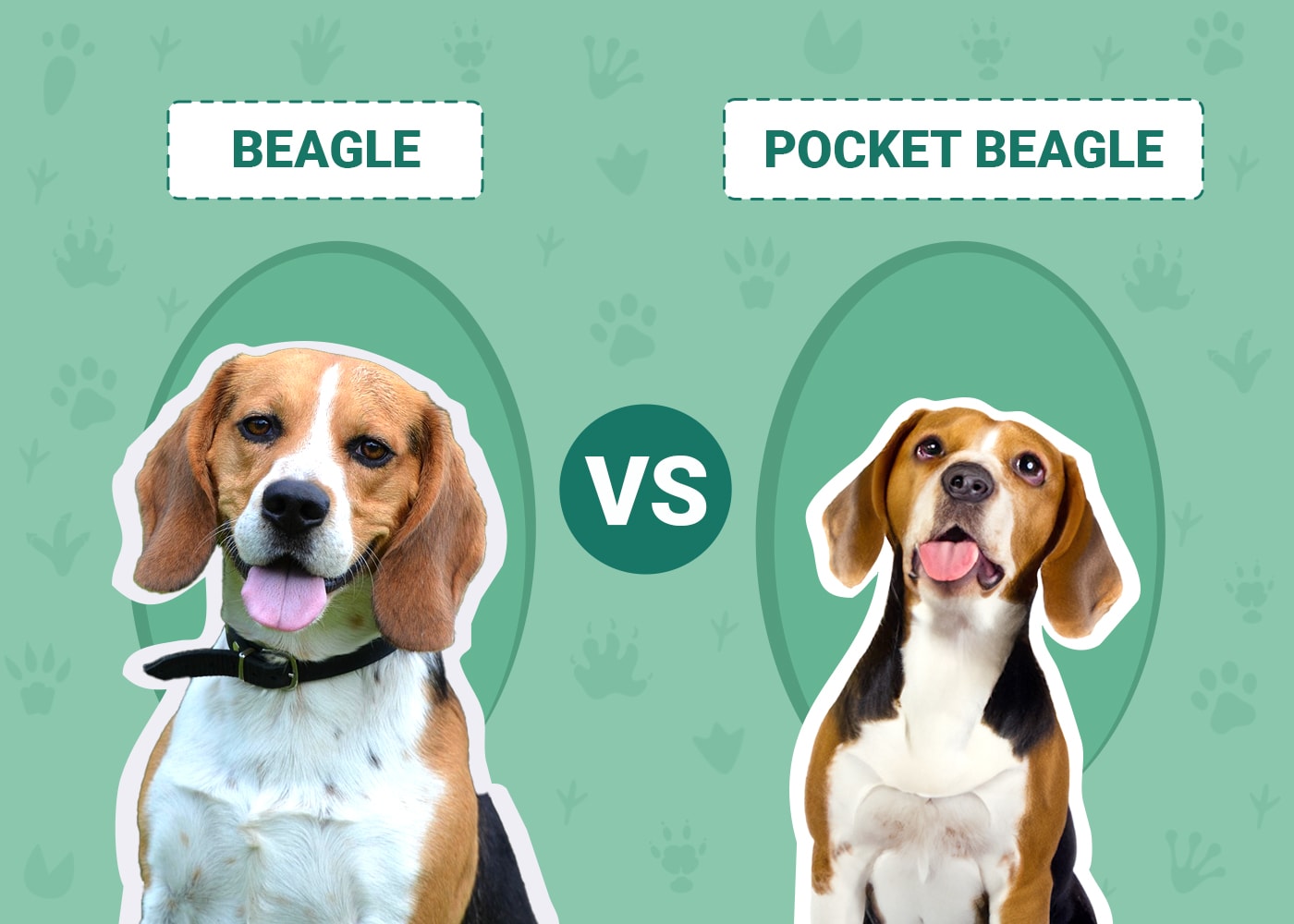

Beagles have long been one of America‘s most beloved dog breeds, consistently ranking in the top 10 for popularity according to the American Kennel Club. With their adorable expressions, happy-go-lucky personalities, and compact size, it‘s easy to see why so many people fall in love with beagles. But did you know there‘s more than one type of beagle? Enter the pocket beagle – a pint-sized version of the classic hound dog. In this in-depth guide, we‘ll explore the key differences between standard beagles and pocket beagles to help you decide which of these endearing pups might be the perfect addition to your family.
The Origin of Pocket Beagles
While the exact origin of pocket beagles is a bit muddled, most historians believe they originated in 16th century England. As the name suggests, these miniaturized hounds were bred small enough to fit into the pockets of hunters on horseback. Having a petite hound they could easily carry allowed hunters to get into dense brush to flush out small game like rabbits.
Pocket beagles surged in popularity among English gentry in the 1500s, even becoming a favorite of Queen Elizabeth I. However, the breed nearly went extinct in the early 20th century. It wasn‘t until the 1960s that an American breeder named Sonny Rupelli worked to bring back pocket beagles by crossbreeding the smallest standard beagles he could find. While not recognized as an official breed by major kennel clubs, pocket beagles have been gaining popularity in recent decades among dog lovers seeking a fun-size version of the classic hound.
Beagle vs Pocket Beagle: Size Comparison

The most obvious difference between beagles and pocket beagles is their size. According to the AKC breed standard, a full grown beagle typically stands 13-15 inches tall at the shoulder and weighs between 20-30 pounds. Pocket beagles, on the other hand, usually weigh under 15 pounds and stand less than 13 inches tall when fully grown.
"Size is really the main distinction between the two types of beagles," explains veterinarian Dr. Rachel Barrack. "Pocket beagles have the same general body proportions as standard beagles, just scaled down into a more compact package. But due to their smaller size, they can be more prone to certain health issues, which prospective owners need to be aware of."
Temperament and Personality
Both beagles and pocket beagles tend to have similar happy-go-lucky, friendly dispositions. These dogs were bred to work in packs, so they typically get along well with other dogs and aren‘t shy about making new human friends. Beagles of all sizes have a strong prey drive thanks to their hunting background – if they pick up an interesting scent, they‘ll likely follow their nose and tune out everything else.
Since they‘re pack animals, beagles don‘t like being left alone for long periods and can develop separation anxiety and destructive behaviors if not given enough attention and exercise. Bored beagles are also known for being quite vocal – their baying howl can be heard for miles.
While pocket beagles share many personality traits with their larger cousins, some owners note that the minis tend to be a bit more timid and attached to their owners, likely due to their more petite size. With proper training and socialization from a young age though, pocket beagles can be just as outgoing and adaptable as standard beagles.
"I‘ve had both beagles and pocket beagles and adore them both. They have that quintessential happy hound personality – goofy, loving, and up for anything. The only difference is my pocket beagle Shadow wants to be held and cuddled more than my standard beagles ever have – he‘s a total lap dog! But all my beagles have been real sweethearts." – Megan K., lifelong beagle owner
Training and Exercise Needs
As scent hounds, all beagles have powerful noses and an instinct to follow interesting smells, so recall training is a must. Beagles are intelligent but can have a stubborn streak, so patience and consistency are key. Starting training early with positive reinforcement methods is recommended for both standard and pocket beagles.
While their small size means pocket beagles don‘t need as much outdoor exercise as larger hounds, they still require regular activity to stay happy and healthy. A few brisk 20-30 minute walks plus some playtime each day is usually sufficient for pocket beagles, whereas standard beagles need closer to an hour of exercise daily.
Since they have a strong instinct to chase small animals, it‘s best to keep beagles of all sizes on a leash or in a securely fenced area during outdoor exercise. Many beagle owners enjoy activities like tracking and scent work classes that put their dog‘s powerful sniffer to good use.
Health Concerns for Beagles and Pocket Beagles
As a breed, beagles are generally healthy dogs with a lifespan of 12-15 years. However, like all breeds, they are prone to certain genetic health conditions including:
- Hip dysplasia
- Hypothyroidism
- Epilepsy
- Intervertebral disk disease (IVDD)
- Eye disorders like cherry eye and glaucoma
Due to their smaller size and more limited gene pool, pocket beagles have a higher incidence of certain health issues compared to standard beagles. The most common health concerns seen in pocket beagles include patellar luxation (dislocated kneecaps), tracheal collapse, dental problems, and reverse sneezing. Pocket beagles also have a shorter average lifespan of around 10-12 years.
Obesity is a major health concern for all beagles since they are prone to overeating and have big appetites relative to their size. Excess weight can worsen joint and spine problems like IVDD and increase the risk of diseases like diabetes. Owners need to carefully control portions and limit treats and table scraps. For both beagle types, choosing a reputable breeder who health tests breeding stock is important for getting the healthiest possible puppy.
Grooming and Care

Both standard and pocket beagles have smooth, dense double coats that shed moderately year-round. Weekly brushing and the occasional bath is usually sufficient to keep their coat healthy. However, beagles can also generate quite a strong "hound dog odor," so regular ear cleanings and dental care is a must for staying on top of smells.
Since they have floppy ears that trap moisture, beagles can be prone to ear infections if their ears aren‘t cleaned regularly. Nail trims and dental care are also important for both sizes of beagles. Starting grooming from a young age can help beagles get used to being handled.
Living with a Beagle or Pocket Beagle
Before bringing home any dog, it‘s important to make sure you can meet their needs. Both beagles and pocket beagles do best with a moderately active lifestyle and a family that‘s able to give lots of attention. While they can adapt to apartment living, beagles aren‘t the best fit for homes that are empty most of the day since they thrive on companionship.
Since they have a strong prey drive, beagles of all sizes need extra training and socialization to get along with smaller pets like cats and rabbits. Beagles do great with kids and make excellent family pets as long as children are taught to be respectful. Very young children should always be supervised around pocket beagles due to their smaller size.
Beagles are smart, curious, and have a mischievous streak, so a securely fenced yard and "puppy proofing" inside is a must to keep these hounds out of trouble. They also tend to be motivated by food, so keeping human food and trash secured is important.
Adopting or Purchasing a Pocket Beagle
If a pocket beagle sounds like the perfect fit for you, the first step is deciding whether to adopt or purchase a puppy. When going through a breeder, it‘s essential to do your research and make sure you‘re working with someone reputable who health tests breeding dogs and breeds to improve the lineage. Expect to pay anywhere from $500 to over $1500 for a pocket beagle puppy from a quality breeder.
You can also check with local animal shelters and beagle rescue organizations to see if they have any pocket beagle mixes available for adoption. While purebred pocket beagles aren‘t extremely common, you may luck out and find a petite beagle mix in need of a good home. Adopting an adult dog also lets you skip the challenging puppy stage.
Final Thoughts
Both standard beagles and pocket beagles can make wonderful companions for the right owner. Pocket beagles offer the merry personality of the beagle breed in an even more portable, apartment-friendly package, but they do have some specific health concerns to be aware of. Regardless of which size you choose, beagles are loving, smart, and entertaining dogs that will keep you on your toes and shower you with hound dog kisses.