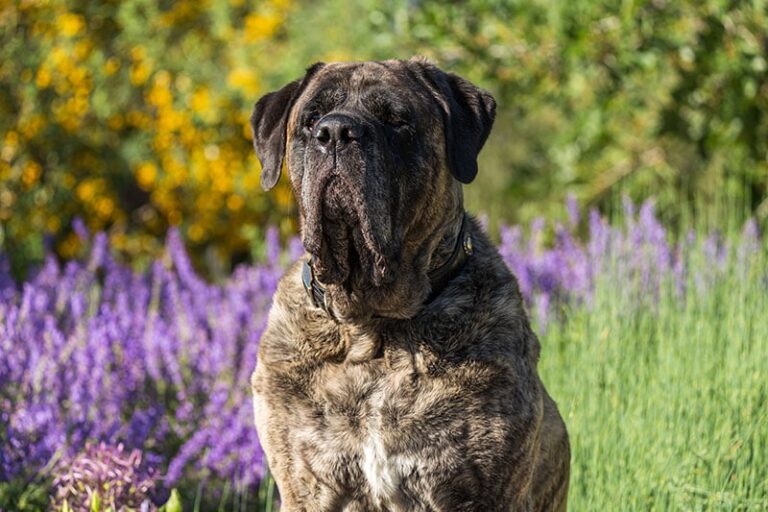
Can Bernese Mountain Dogs Be Left Alone? A Dog Lover‘s Perspective

As a devoted dog lover and Bernese Mountain Dog enthusiast, I often get asked whether this magnificent breed can handle being left alone. It‘s a crucial question for potential owners to consider, as our canine companions play such an integral role in our daily lives. In this article, I‘ll delve into the unique characteristics of Bernese Mountain Dogs, examine the impact of separation anxiety, and provide expert tips for helping your Berner cope with alone time.
Understanding the Bernese Mountain Dog Temperament
Bernese Mountain Dogs, affectionately known as "Berners," are a large, sturdy breed originally developed in Switzerland to work on farms. They are known for their gentle, affectionate nature and strong desire to be near their human family. As a working breed, Berners thrive on having a job to do, whether that‘s herding livestock, pulling carts, or simply being a loyal companion.
While Berners have moderate exercise needs compared to some other working breeds, they still require daily physical and mental stimulation. The Bernese Mountain Dog Club of America recommends 30-60 minutes of activity per day, which can include walks, hikes, play sessions, and training exercises. It‘s important to note that Berners can be sensitive to heat due to their thick, black coats, so outdoor activities may need to be limited in hot weather.
The Prevalence of Separation Anxiety in Dogs
Separation anxiety is a common behavioral issue that affects a significant portion of the canine population. According to a study by Tiira et al (2019), an estimated 20-40% of dogs referred to animal behavioral practices suffer from separation anxiety. Another survey of 215 dog owners found that 50.7% reported their dogs showed signs of distress when left alone (Storengen et al, 2014).
Symptoms of separation anxiety can include:
- Excessive barking, howling, or whining
- Destructive chewing or scratching
- Attempts to escape confinement
- House soiling despite being housetrained
- Pacing, drooling, or trembling
These behaviors often occur within the first 30 minutes of the owner‘s departure and can persist until their return. Dogs with separation anxiety may also be more prone to other anxiety disorders, such as noise phobias. A study by Tiira et al (2019) found that 60% of dogs with separation anxiety also displayed fearful reactions to sounds like thunderstorms and fireworks.
Factors That Influence a Bernese Mountain Dog‘s Ability to Be Alone
Several factors can impact how well a Bernese Mountain Dog tolerates being left alone:
-
Age and developmental stage
- Puppies need to go out to potty more frequently and may struggle with bladder control
- Adolescent dogs (6-18 months) may be more prone to destructive chewing and digging
- Senior dogs may develop age-related anxiety or cognitive decline that worsens when alone
-
Training and socialization
- Proper crate training can help dogs feel safe and secure when left alone
- Gradual desensitization to departure cues and alone time should start from puppyhood
- A lack of early socialization can contribute to anxiety and fear of new situations
-
Individual temperament
- Some Bernese Mountain Dogs may be naturally more independent and content when alone
- Certain breeding lines may have a calmer, less anxious temperament overall
- A history of trauma, neglect, or abandonment can predispose a dog to separation anxiety
-
Owner‘s lifestyle and schedule
- Bernese Mountain Dogs are ideally suited for homes where someone is present much of the day
- Owners who work long hours must have a plan for providing midday breaks
- Frequent travel or changes to routine can be stressful for dogs prone to anxiety
How Long Can Bernese Mountain Dogs Be Left Alone?
While every dog is an individual, most adult Bernese Mountain Dogs can handle 4-6 hours of alone time if their needs are being met. However, this is really the upper limit for this breed, and shorter durations are always preferable.
Puppies, seniors, and dogs with medical issues will need more frequent potty breaks and human interaction. Very young puppies may only be able to hold their bladder for 1-2 hours at a time. It‘s crucial not to force a dog to "hold it" for longer than is physically comfortable for them.
Even the most well-adjusted Berner will struggle with being left alone for 8-10 hours day after day. Isolation and confinement can take a serious toll on their mental health, leading to depression, anxiety, and a deterioration in behavior. If your work or lifestyle requires your dog to be alone most of the day, a Bernese Mountain Dog is likely not the ideal breed for your situation.
Expert Tips for Helping Your Bernese Mountain Dog Cope with Alone Time
-
Start crate training early
- Introduce your Berner puppy to their crate from day one using positive reinforcement
- Feed meals in the crate and provide high-value chew treats to build a positive association
- Never use the crate as punishment – it should be a cozy, den-like space
-
Practice short absences and gradually increase duration
- Leave your Berner alone for just a few minutes at first, slowly building up to 30-60 minutes
- Vary the length of absences so departures are less predictable and anxiety-provoking
- If your dog shows distress, back up to a shorter duration they can handle and proceed more slowly
-
Provide physical exercise and mental stimulation before alone time
- A tired dog is a calm dog – give your Berner a long walk or play session before leaving
- Offer interactive food-dispensing toys or long-lasting chews to keep them engaged
- Hide treats around the house for a fun "scavenger hunt" to occupy their mind
-
Minimize departure cues and practice "false departures"
- Perform leaving rituals like putting on shoes or grabbing keys at random times throughout the day
- Pick up your keys, then sit on the couch and watch TV instead of leaving
- The goal is to break your dog‘s association between these cues and your actual departure
-
Create a calming environment while you‘re gone
- Play soothing classical music or leave the TV on low volume for background noise
- Use pheromone diffusers or sprays that mimic the scent of a nursing mother dog
- Close blinds to reduce distraction from outdoor sights and sounds
-
Consider professional support for severe cases
- Consult with a certified veterinary behaviorist for help overcoming separation anxiety
- Certain anti-anxiety medications prescribed by a vet can help calm a dog‘s panic response
- Systematic desensitization and counterconditioning protocols can change your dog‘s emotional reaction to being alone
Real-Life Insights from Bernese Mountain Dog Owners
In my conversations with countless Berner owners and breeders over the years, I‘ve gleaned some valuable insights into how they manage alone time with this companionship-oriented breed:
"I‘ve been lucky enough to work from home for the past 10 years, so my Berners have rarely had to be alone for more than a couple hours at a time. I do make sure to give them plenty of exercise in the morning before I start work, and I take breaks throughout the day for short training sessions or cuddle time." – Sarah K., owner of two Bernese Mountain Dogs
"When my Berner Teddy was a puppy, I made sure to practice leaving him alone for gradually longer periods each day. I always left him with a stuffed Kong or bully stick to chew, and I‘d play calming music on a loop. He‘s now 5 years old and can handle 5-6 hours alone if needed, but I still have a dog walker come at lunchtime most days to break up the stretch." – Mark R., Bernese Mountain Dog owner for 12 years
"In my breeding program, I select for calm, resilient temperaments that are better suited to modern lifestyles. I also work closely with puppy buyers to educate them about proper crate training and alone time conditioning from a young age. It‘s so important to set Berners up for success by gradually acclimating them to being alone and not pushing them past their limits." – Lisa M., Bernese Mountain Dog breeder for 20 years
Conclusion
In conclusion, while Bernese Mountain Dogs can handle short periods of alone time if properly conditioned, they are not a breed that thrives in isolation. These gentle giants were developed to work closely with their humans and crave companionship. Most Berners do best in homes where someone is present for much of the day, whether that‘s an owner who works from home, a stay-at-home family member, or a dedicated pet sitter.
If you‘re considering adding a Bernese Mountain Dog to your life, it‘s crucial to honestly assess your lifestyle and ensure you can meet this breed‘s needs for human interaction and mental stimulation. With proper training, socialization, and creative scheduling, many Berner owners find ways to give their dogs the companionship they need while still living full, active lives. The bond you‘ll share with your loyal, loving Bernese Mountain Dog will be well worth the effort.