What Were Dachshunds Bred For? Tracing the Fascinating History and Traits of This Iconic Wiener Dog
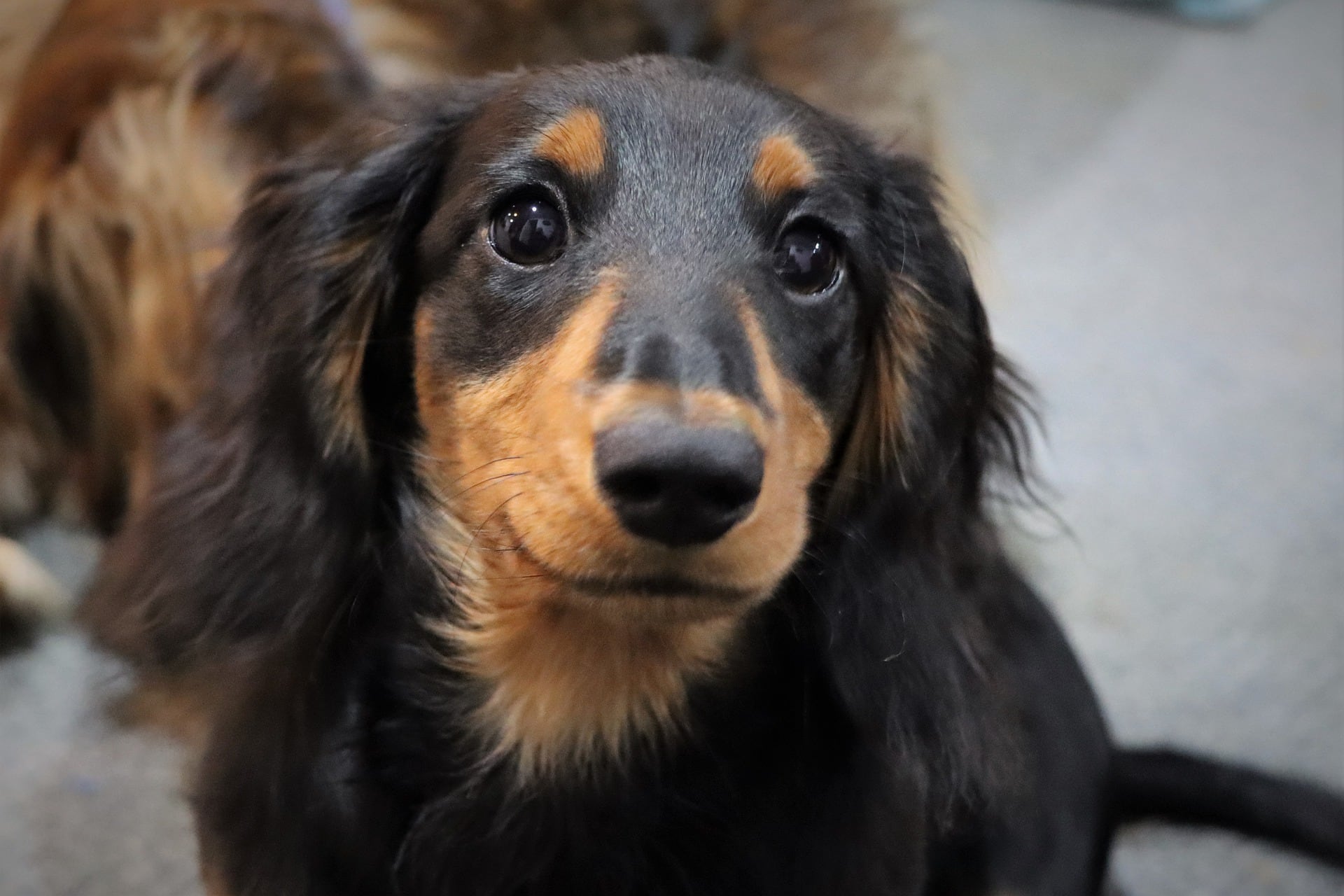

If you‘re a fan of dachshunds or are considering adding one of these long-bodied, lively pups to your family, you may be curious about the breed‘s origins and what they were originally bred to do. With their elongated spines, stubby legs, and bold personalities, dachshunds are a truly unique and instantly recognizable dog breed. But believe it or not, these quirky physical traits aren‘t just for show – they were carefully developed through selective breeding to create the ultimate badger hunting machine.
That‘s right, the adorable dachshund was bred to fearlessly chase down and face off against vicious badgers and other burrowing animals in their underground dens. Let‘s take a closer look at the fascinating history of the dachshund and how they went from fierce subterranean hunters to beloved household pets.
The Dachshund‘s German Roots
The modern dachshund breed can be traced back to 16th century Germany, with the earliest known mention of a badger-hunting "dachshund" dog appearing in books from the 1700s. In fact, the name "dachshund" translates directly to "badger dog" in German (dachs = badger, hund = dog).
German hunters and foresters needed a dog that could track badgers to their underground dens, follow them into the narrow tunnels, and tenaciously fight them in close quarters. Badgers were considered a nuisance animal that damaged crops and buildings with their extensive burrows, but their pelts were also valuable. The problem was that badgers are remarkably fierce fighters when cornered, armed with razor-sharp claws and teeth.
To create a dog that could handle this dangerous job, German breeders crossed various terriers and hounds and selectively bred the resulting puppies for specific physical and behavioral traits. The end result was the long, low-built dachshund we know today.
A Body Built for Underground Combat
Every physical characteristic of the dachshund, from nose to tail, was purposefully designed for hunting burrowing prey. Here are some of the key traits that allowed dachshunds to excel in their original role:
-
Elongated body and short legs: The dachshund‘s signature stretched-out body and stubby legs give them a comical "half-a-dog-tall and a-dog-and-a-half-long" appearance. But this unique shape allowed them to easily enter and navigate narrow badger tunnels. Their long, flexible spine enabled them to make tight turns in winding underground passages.
-
Large, paddle-shaped paws: Dachshunds have wide, spade-like front paws that are perfect for digging and "paddling" through dirt and debris. This gave them the ability to excavate prey if needed and maintain a firm grip during underground scuffles.
-
Capacious chest: The breed‘s barreled, robust chest houses impressively large lungs and a strong heart for their size. This provided the endurance and oxygen supply needed for long chases and drawn-out battles in the stuffy, cramped quarters of a den.
-
Sizeable jaws and teeth: For such a small dog, dachshunds boast powerful jaws and remarkably large teeth that give them a vise-like bite. A strong bite was essential for grabbing and holding onto struggling prey like badgers.
-
Booming bark: Dachshunds have a shockingly deep and resonant bark that belies their petite size. This loud vocalization allowed hunters to pinpoint the dog‘s location underground during a hunt. The barking would also help to flush out or hold the prey until the hunters could dig down to access the den.
In addition to these perfect-for-purpose physical features, dachshunds were bred to have a bold, determined, and courageous temperament that equipped them to fearlessly take on formidable foes and persevere until the battle was won. While these personality traits made them superb hunters, they can also make dachshunds rather stubborn and headstrong as companion dogs.
Dachshunds on the Job
In their glory days, dachshunds worked in packs alongside hunters to track and capture badgers, rabbits, foxes and other burrowing creatures. The dogs would pick up the scent of their prey and doggedly follow it to the animal‘s underground hideout.
Once the quarry was driven to ground, one or two dachshunds would enter the burrow and use their keen noses to locate it in the dark, twisting tunnels. When they had the animal cornered, the dachshund would bark incessantly to alert the hunters above ground. By listening carefully to this subterranean racket, the hunters could determine where to dig to intersect the passage.
After breaking through, the hunters would send the dachshund back in to finish the job. The dog was expected to corner the prey and latch on with their powerful jaws, either making the kill or holding it at bay until the hunter could do so. It was demanding and dangerous work that put the dachshund‘s courage, tenacity, and strength to the ultimate test.
While badgers were the dachshund‘s specialty, they were also used to hunt other den-dwelling animals. Miniature dachshunds, which are smaller than their standard-sized counterparts, were especially adept at going after little burrows and bolt holes to track rabbits. In some cases, dachshunds were even trained to hunt wild boar – they would surround and distract the enraged hog with nonstop barking until the hunter could catch up and dispatch it.
Though dachshunds have largely retired from professional hunting duties, in some areas they still participate in earthdog trials. These events allow them to exercise their natural instincts and skills by navigating artificial underground tunnels to locate caged rats (who are not harmed). It‘s a great way for modern dachshunds to tap into their ancestral abilities and get some good mental and physical stimulation.
From Hunting Hounds to Household Pets
Dachshunds first came to the United States in the late 1800s and steadily grew in popularity as family pets and show dogs. They faced some discrimination during the World Wars for being closely associated with Germany, but bounced back to consistently rank as one of the most popular breeds in the country.
According to a 2021 survey by Wisdom Panel, 8.1% of dogs in the U.S. have dachshund ancestry, making them the 9th most popular breed. The American Kennel Club‘s registration statistics showed dachshunds as the 10th most popular breed in 2021.
While today‘s dachshunds are more likely to be found snuggling on laps than chasing varmints, they retain the spunky, spirited personality of their hunting forbears. Dachshunds tend to be lively, affectionate, and protective of their humans. But they can also be independent, stubborn, and difficult to housebreak.
A 2020 study in the journal Animals found that dachshunds exhibit high rates of excessive barking, separation anxiety, and attention-seeking behavior compared to other breeds. The authors note that these traits likely stem from their history as vocal hunting dogs that worked closely with humans.
Modern dachshunds come in two size varieties (standard and miniature) and three coat types (smooth, longhaired, and wirehaired). The standard dachshund weighs between 16 and 32 pounds, while the miniature weighs 11 pounds and under. The smooth coat is the most common and requires minimal grooming, but the glamorous longhaired and scruffy wirehaired types have their share of fans too.
Caring for Your Dachshund
Dachshunds may no longer spend their days hunting badgers, but they still need plenty of exercise, engagement, and specialized care to keep them happy and healthy. Here are a few key things to know about living with a dachshund:
-
Back problems are common: Due to their elongated spines, dachshunds are genetically predisposed to intervertebral disc disease (IVDD), which can cause pain, weakness, and even paralysis. A 2016 study found that 15-20% of dachshunds develop clinical signs of IVDD during their lifetimes. To help prevent back injuries, keep your dachshund at a healthy weight, use ramps or stairs instead of letting them jump on and off furniture, and walk them using a harness instead of a collar.
-
Training is a must: Dachshunds can be notoriously stubborn and difficult to train. They need patient, consistent training from a young age and plenty of positive reinforcement. Housebreaking can be especially challenging. Crate training is recommended to prevent accidents and establish good habits.
-
They need regular exercise: Although they have short legs, dachshunds have a good deal of energy and stamina. They need at least 30-45 minutes of moderate exercise per day, broken up into a couple walks or playtimes. Make sure to keep them on leash or in a securely fenced area, as they tend to chase small animals.
-
Grooming needs vary: Smooth-coated dachshunds are the easiest to groom, requiring only occasional brushing and bathing. Longhaired dachshunds need more frequent brushing to prevent tangles and mats. Wirehaired dachshunds should be brushed weekly and trimmed or hand-stripped several times a year.
Conclusion
From their badger-hunting roots to their current status as one of the most popular companion dogs, dachshunds have had a fascinating journey. While they may not be the right fit for everyone, those who welcome a dachshund into their lives are in for a big dose of entertainment, personality, and unconditional love.
Watching a dachshund merrily trot along on a walk, tiny legs pumping and oversized ears bouncing, you can‘t help but marvel at the breed‘s original purpose and how far they‘ve come. The fact that these short-statured, long-bodied clowns were once fearless subterranean warriors just makes them all the more endearing and impressive.
So the next time your dachshund stubbornly refuses to come when called or lets loose a barrage of barking at a falling leaf, just remember – that tenacity and boldness is what made them such legendary badger hunters. And it‘s a big part of what makes them so lovable and unforgettable as pets.