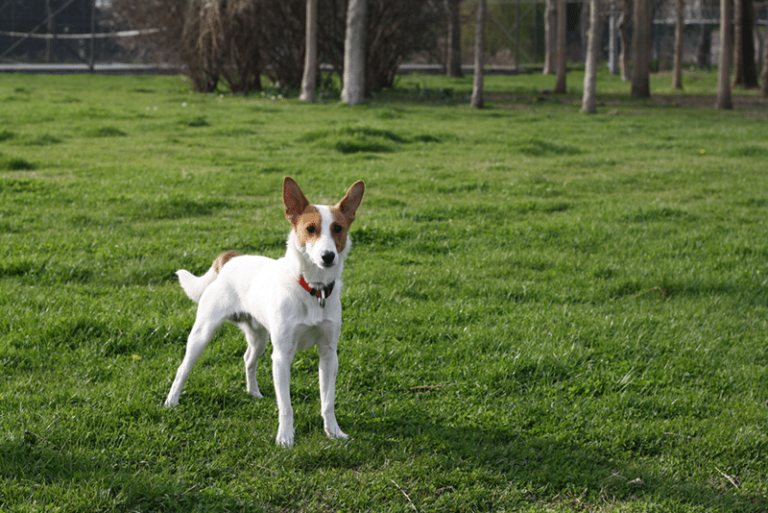
Can Dogs Be Gay, Lesbian, or Bisexual? A Dog Lover‘s Guide to Same-Sex Behavior in Our Furry Friends

As a proud dog parent, you‘ve probably seen it all when it comes to your pup‘s playful antics and social life. But have you ever caught your boy dog mounted on top of his brother, thrusting away? Or watched your girls getting a little too friendly during a play session? If you‘re like many dog lovers, you may have wondered: Can dogs be gay, lesbian, or bisexual?
The short answer is: It‘s complicated. While dogs and many other animals engage in sexual behaviors with members of the same sex, we can‘t really know if they have sexual orientations in the same way humans do. However, same-sex sexual interactions are totally normal and natural in the animal kingdom. Let‘s take a closer look at the rainbow of doggy (and other animal) love.
Mounting, Humping, and Other Same-Sex Fun
If you spend much time at the dog park, you‘ve probably witnessed male dogs mounting or humping other males on more than one occasion. In fact, a 2018 study found that nearly 50% of unneutered male dogs mounted other males at least once during the observation period.
Female dogs get frisky with each other too, though it‘s not quite as common. The same study found about 25% of female dogs engaged in mounting and thrusting with other girls. Interestingly, after being spayed, that number jumped up to nearly 40%! It seems our gal pals get a bit more same-sex action post-surgery.
Genital licking is another same-sex behavior commonly seen in dogs of both sexes. While it‘s often a form of grooming, it can also be a playful social interaction or even a sexual overture.
As a dog lover, it‘s easy to anthropomorphize these behaviors as gay, lesbian, or bisexual. After all, if we saw two men or two women engaging in similar activities, we‘d probably assume they were queer! But animal behavior experts caution against projecting human sexual orientations onto our pooches.
The Many Motivations Behind Same-Sex Canine Conduct
So why do dogs mount, thrust, hump, and lick other dogs of the same sex? Animal behaviorists point to a few key motivations:
-
Sexual arousal: Yes, sometimes same-sex interactions are sexually motivated, especially for intact male dogs. When a dog is feeling randy, they may mount another dog to relieve that urge, regardless of sex. However, this is usually accompanied by other sexual body language like licking, pawing, or "flirtatious" play.
-
Play and social bonding: Mounting and humping are a normal part of dog play, seen more often in puppies but also in adult dogs. It‘s a way to explore dominance and social dynamics in a playful context. One study found that over 80% of mounting incidents between male dogs occurred in a playful context.
-
Stress relief: Like humans, dogs may seek out physical contact and rhythmic motions to self-soothe in stressful situations. Anxious dogs may mount and thrust against other dogs (or people, or objects) to alleviate that stress. This is more likely if the behavior seems "out of nowhere" and isn‘t accompanied by playful or sexual body language.
So while some instances of same-sex activity in dogs are sexually motivated, most of the time it serves other social and psychological functions. It‘s a normal part of being a dog, not necessarily a sign of being gay or bisexual.
The Animal Kingdom‘s Queer Kaleidoscope
Homosexual behavior has been observed in over 1,500 animal species, from primates to insects. Here are just a few colorful examples:
| Species | Same-Sex Sexual Behavior |
|---|---|
| Bonobos | Frequent same-sex genital rubbing and oral sex, especially among females |
| Bottlenose Dolphins | Males form lifelong pair-bonds, strengthened by sexual contact |
| Giraffes | 90% of sexual activity is between males, including necking and mounting |
| Lions | Males often mount each other and engage in genital licking and nuzzling |
| Penguins | Same-sex pair bonding and even adoption of eggs has been observed |
As you can see, there‘s a wide spectrum of same-sex sexual behavior in nature. For some species like bonobos and lions, it‘s more common than heterosexual mating! But the motivations and meanings behind these behaviors vary.
Some same-sex interactions, like those between male dolphins and female bonobos, seem to serve important social functions. The physical intimacy strengthens alliances and may diffuse aggression or tension in the group.
In other cases, like with giraffes and fruit flies (who often court and attempt to mate with other males), the behavior may be a case of mistaken identity. The animal may not be able to tell the difference between the sexes at first.
There‘s also evidence that some animals, like Japanese macaques, engage in same-sex activity simply because it feels good! The females often form temporary sexual partnerships, complete with mounting and genital stimulation, that seem purely pleasure-driven.
But even with all of this same-sex loving in the animal kingdom, it‘s very rare to find examples of lifelong, exclusive homosexual pairing. Most animals that engage in same-sex behaviors also mate heterosexually. The exceptions, like gay penguin couples, are notable for their rarity.
The Limitations (and Value) of Comparing Human and Animal Sexuality
As a dog lover and science nerd, I find the world of animal sexuality absolutely fascinating. Seeing same-sex behaviors in our companion animals can open our eyes to the diversity of sexual expression in nature. It‘s a good reminder that gay, lesbian, and bisexual behaviors are found throughout the animal kingdom, not just in humans.
However, we have to be careful not to project our human understanding of sexual orientation onto other species. While some animals clearly engage in homosexual activity, that‘s not the same as having a gay, lesbian, or bisexual identity.
Sexual orientation in humans is about more than just behavior – it encompasses attraction, relationships, lifestyle, culture, and identity. We can‘t know if animals experience sexual attraction and pair bonding the same way we do. And they definitely don‘t have the same types of sexual and gender identities that humans in our society express.
Furthermore, most animals that engage in same-sex behavior also engage in heterosexual mating, sometimes more frequently. Exclusive lifelong same-sex pairing, like we saw with Roy and Silo the gay penguins, is very rare in the animal kingdom.
So while it‘s inaccurate to label an animal as gay, lesbian, or bi simply for engaging in same-sex activity, that doesn‘t mean those behaviors are abnormal or unnatural. Animal sex researchers use neutral terms like "same-sex sexual behavior" to describe what they observe without anthropomorphizing.
Studying the wide range of sexual practices in nature, including in our beloved dogs, is important for expanding our understanding of biological diversity. And for us dog lovers, it‘s a good opportunity to observe and appreciate our pups without judgment or labels.
The Bottom Line
So can dogs be gay, bi, or lesbian? While dogs frequently engage in sexual behaviors like humping and licking with other dogs of the same sex, those activities serve many functions – including play, social bonding, and stress relief. Most of the time, it doesn‘t indicate a homosexual orientation as we‘d define it in humans.
Same-sex sexual behavior is found in hundreds of other species too, from dolphins and lions to macaques and penguins. But animal behaviorists caution against labeling other animals with terms like gay, lesbian, or bisexual. Exclusive same-sex pairing is very rare in nature, and we can‘t assume that animals have sexual orientations and identities equivalent to humans.
However, that doesn‘t mean we should ignore or judge the same-sex behaviors we see in dogs and other animals. These activities are completely natural and play important roles in animal societies. As dog lovers, the best thing we can do is observe our pups with an open mind and appreciate them for the complex, non-human critters they are.
After all, love is love, whether it‘s between a boy and a girl, a boy and a boy, a girl and a girl – or even two girl dogs! Let‘s celebrate the diversity of sexual expression in both the human and animal worlds. Our pups are perfect just the way they hump and lick.
Sources
- Cozzi, A., Lecuelle, S., Monneret, P., Articlaux, J., Bougrat, L., & Deputte, B. L. (2018). Same-sex sexual behavior in dogs: An online survey on social representations. Animals, 8(4), 41.
- Lisberg, A. E., & Snowdon, C. T. (2009). The effects of sex, gonadectomy and status on investigation patterns of unfamiliar conspecific urine in domestic dogs, Canis familiaris. Animal Behaviour, 77(5), 1147-1154.
- Bagemihl, B. (1999). Biological exuberance: Animal homosexuality and natural diversity. Macmillan.
- Bailey, N. W., & Zuk, M. (2009). Same-sex sexual behavior and evolution. Trends in Ecology & Evolution, 24(8), 439-446.