The Retro Pug: A Healthier, Happier Twist on a Classic Breed

As a lifelong dog lover and veterinarian, I‘ve always had a soft spot for the charmingly quirky Pug. With their smashed in faces, spirited personalities, and endearing underbites, it‘s no wonder Pugs have captured the hearts of dog enthusiasts for centuries. But as much as I adore the breed, I also recognize that their exaggerated features come with some serious health consequences.
That‘s why I was so intrigued when I first heard about the Retro Pug – a designer cross between a Pug and a Jack Russell Terrier purposefully bred to preserve the Pug‘s winning personality while minimizing their risk of debilitating respiratory issues. Could this unique hybrid be the answer to the Pug lover‘s dilemma? I set out to investigate the history, characteristics, and care requirements of the Retro Pug to find out.
The Origin of the Retro Pug
The Retro Pug is a relatively new breed, with the first intentional crosses happening in Germany in the late 1990s. Breeders had become increasingly concerned about the welfare of Pugs, who were suffering from a host of health problems directly related to their flat faces and bulging eyes – issues like elongated soft palates, pinched nostrils, collapsing tracheas, and eye ulcers to name just a few.
In an effort to produce healthier dogs while maintaining the fun-loving Pug temperament, these breeders began crossing Pugs with Jack Russell Terriers. The goal was to introduce the Jack Russell‘s longer snout and more proportional eye structure into the Pug line, creating puppies with less extreme brachycephalic features. The results were promising, and the Retro Pug (sometimes called the "Jug" or "Jack Pug") slowly started gaining attention.
Physical Characteristics
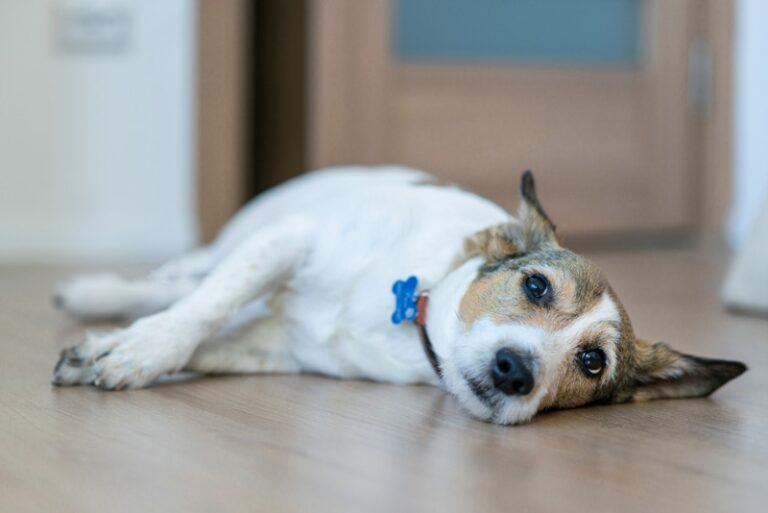
So what exactly does a Retro Pug look like? In many ways, they resemble a slightly leggier, less wrinkly version of a classic Pug. They typically have a square, compact body with the muscular legs and chest of a Jack Russell. Their head is usually a bit longer than a purebred Pug‘s, with a less dramatically flattened face, fewer wrinkles, and eyes that are round and expressive but not protruding.
Retro Pugs‘ ears are generally rose or button shaped, and they sport the signature curly "screw" tail of the Pug. According to the breed standard, the ideal Retro Pug stands 12-16 inches tall at the shoulder and weighs 13-20 pounds, with males often being larger than females. However, there can be quite a bit of variation in size depending on the specific Jack Russell and Pug parents.
One place Retro Pugs have more variety than Pugs is in coat color. While purebred Pugs only come in fawn or black, Retro Pugs can be fawn, apricot, silver, brown, or black – solid colored or with various white markings. They may even have brindle stripes or patches thanks to the Jack Russell influence. Their short, smooth coats are relatively low-shedding and easy to maintain.
Temperament and Personality
For most Retro Pug owners, it‘s really the breed‘s big personality in a small package that is the major draw. These spunky little dogs are known for being incredibly affectionate, playful, and up for anything. They adore their humans and want nothing more than to be right by your side (or in your lap) as much as possible. Retro Pugs tend to get along well with everybody they meet and make friends easily.
Kristin Smith, a Retro Pug breeder from San Diego, sums it up well: "Retro Pugs are the ultimate companion dog. They‘re so tuned in to their people and just want to love and be loved. They have the silliness and snuggly nature of the Pug with the spunk and smarts of a Jack Russell. It‘s an incredibly endearing combo."
At the same time, that Jack Russell blood does give Retro Pugs an extra dose of liveliness and athleticism compared to purebred Pugs. They‘re usually more energetic, curious, and prone to mischief-making if left to their own devices. Many Retro Pug owners joke that their dog is powered by batteries – they just keep going and going!
This can be a pro or a con depending on your lifestyle. If you‘re looking for a low-key lapdog, a Retro Pug may be a bit much. But if you‘re up for lots of playtime, walks, and adventures with a pint-sized sidekick, the Retro Pug‘s boundless enthusiasm might be perfect.
Exercise and Enrichment
Speaking of adventures, one major perk of Retro Pugs is that they‘re much more tolerant of exercise than their brachycephalic cousins. While regular Pugs often struggle with overheating and respiratory distress during activity, Retro Pugs tend to have better airflow thanks to their more moderate facial structure. This means they can safely enjoy more time being active outdoors.
Most Retro Pug owners and breeders recommend at least 45-60 minutes of exercise daily for adult dogs. This can be broken up into a few brisk walks, plus some fun aerobic playtime like chasing balls, playing frisbee, running obstacle courses, or taking trips to the dog park. Many Retro Pugs excel at canine sports like agility, nose work, flyball, and rally obedience.
Of course, Retro Pugs still have their limits – they are a small breed prone to joint problems and breathing difficulties if pushed too hard, especially in hot weather. It‘s important to watch for any signs of fatigue like heavy panting, drooling, weakness, or vomiting and allow time for rest and hydration as needed. Keeping Retro Pugs at a healthy weight is also crucial to avoid putting excess strain on their bodies.
In addition to physical exercise, this clever breed thrives on mental stimulation. Food puzzles, interactive toys, trick training, and simple nose work games can all help keep their brains busy and ward off boredom-related behavior problems. Retro Pugs are happiest when they feel like part of the action, so including them in as many of your daily activities as possible is a great way to nurture your bond.
Training Tips
Retro Pugs are people-pleasers at heart, so they usually take quite well to positive reinforcement training. Like any dog, they do best when training is started early and made into a fun, rewarding experience. Retro Pug puppies should be enrolled in group socialization and obedience classes right away to expose them to new people, pets, sights, and sounds and to begin learning basic manners.
At home, frequent short training sessions that feel more like games work well for the Retro Pug‘s lively but sometimes distractible nature. Teach them that paying attention to you is worthwhile by rewarding focus with praise, pets, and yummy treats. Keep an upbeat tone and end on a high note before your Retro Pug gets bored or frustrated.
While Retro Pugs are generally quite eager to learn, some do go through a stubborn "teenage" phase. Bred to work independently, Jack Russells can be strong-willed, and your Retro Pug may decide that chasing a squirrel or getting into the treat bag is more exciting than another round of sit-stays. It‘s important to stay patient and consistent in your expectations without resorting to harsh corrections that will only damage your relationship.
Two training areas to focus on for Retro Pugs are house training and coming when called. As a small breed, Retro Pug puppies physically can‘t hold their bladders very long. Taking them out to potty every couple of hours plus after meals, play, and naps, and rewarding them well for going in the right spot can help them build good bathroom habits.
Coming when called is a critical skill for Retro Pugs, whose prey drive may cause them to dart off if they see a squirrel or cat while on walks. Practice recall frequently in safe, fenced areas first, then work up to more distracting environments. If your Retro Pug takes off after something, resist the urge to chase them, which usually just makes them run faster. Instead, quickly head the opposite direction while calling them in an excited voice. Reward them big time with treats and praise when they redirect back to you.
Health and Longevity
Now for the million dollar question – is the Retro Pug really healthier than a purebred Pug? The short answer from veterinary experts is a qualified yes. By breeding Pugs with a dog that has a more normal snout length and eye size, many of the conformational extremes that cause brachycephalic airway issues and eye problems in Pugs are reduced in the Retro Pug.
According to a 2015 study by the University of Georgia comparing the anatomical features of brachycephalic breeds, dogs with a craniofacial ratio (muzzle length to skull length) of less than 0.5 were much more likely to suffer from breathing difficulties. The average ratio for Pugs was just 0.08, while Jack Russells had a healthier ratio of 0.38. By combining the two, Retro Pugs typically have a craniofacial ratio around 0.3-0.4, which puts them in a lower risk category.
Anecdotally, Retro Pug owners and breeders report that their dogs are able to breathe, regulate temperature, and exercise more normally than most Pugs. They tend to snore and snort less, have fewer problems with overheating, and display better stamina on walks and during playtime. They also seem less prone to severe eye injuries and infections since their eyes are more proportional to their skulls and have more adequate eyelid coverage.
However, it‘s important to remember that Retro Pugs can still inherit other health issues common to both parent breeds like luxating patellas, hip dysplasia, hypothyroidism, dental disease, and skin fold dermatitis. Responsible Retro Pug breeders take steps to reduce these risks by carefully selecting breeding stock, performing thorough pre-breeding health screenings, and providing a health guarantee for their puppies.
With proper preventative care and a commitment to keeping your Retro Pug fit and active, this breed typically enjoys a lifespan of 12-16 years. In comparison, purebred Pugs average closer to 12-15 years. While an extra 1-3 years may not seem monumental, it does suggest that the hybrid vigor effect of crossbreeding is providing some additional healthspan for Retro Pugs.
Is a Retro Pug Right For You?
If you‘re considering adding a Retro Pug to your family, it‘s important to make sure your lifestyle and expectations align well with the breed‘s needs. Retro Pugs can thrive in many different homes, but there are some situations where they may not be an ideal fit.
Retro Pugs are great for households that:
- Have plenty of time to devote to daily interaction and exercise with their dog
- Enjoy the antics and affection of a spirited, somewhat goofy "velcro" dog
- Want the look and personality of a Pug with potentially fewer health issues
- Don‘t mind some occasional barking and moderate prey drive
- Can commit to positive reinforcement training and socialization
A Retro Pug may not be the best choice if:
- You work 10+ hours a day or travel very frequently and can‘t bring your dog along
- You prefer an extremely laid-back, quiet dog that is content being alone a lot
- You want a predictable purebred appearance and temperament
- You have a very tight budget for a new puppy and potential vet expenses
It‘s also critical to choose your Retro Pug breeder very carefully. Since these dogs are not recognized by major kennel clubs and are still fairly uncommon, there are no official standards for their breeding. Some people breed Retro Pugs with profit rather than health as the main priority.
Look for a breeder who performs genetic health testing on parent dogs, provides a thorough contract and health guarantee, has dogs that appear mentally and physically sound, and wants to stay in touch after the sale. Expect to spend anywhere from $1,500 to $5,000 for a well-bred Retro Pug puppy, plus factor in costs for food, vet care, grooming, toys, and training over their lifetime.
The Bottom Line
When you add it all up, the Retro Pug has the potential to be an amazing companion for the right owner. By combining some of the best qualities of the Pug and the Jack Russell Terrier, this unique crossbreed offers the clownish cuteness and dedication to their humans that Pug lovers adore, along with a welcome dose of the Jack Russell‘s hardier conformation and zest for life.
While no breed is perfect or right for everyone, if you‘re looking for a pint-sized dog with a huge heart and healthier features than the average Pug, the Retro Pug is definitely worth considering. With a committed, caring owner and a focus on lifelong enrichment and wellness, these special dogs can bring joy, laughter, and love to your world for many years to come.