Can Dogs Get High? Exploring the Realities of Marijuana Toxicity Through a Dog Lover‘s Lens
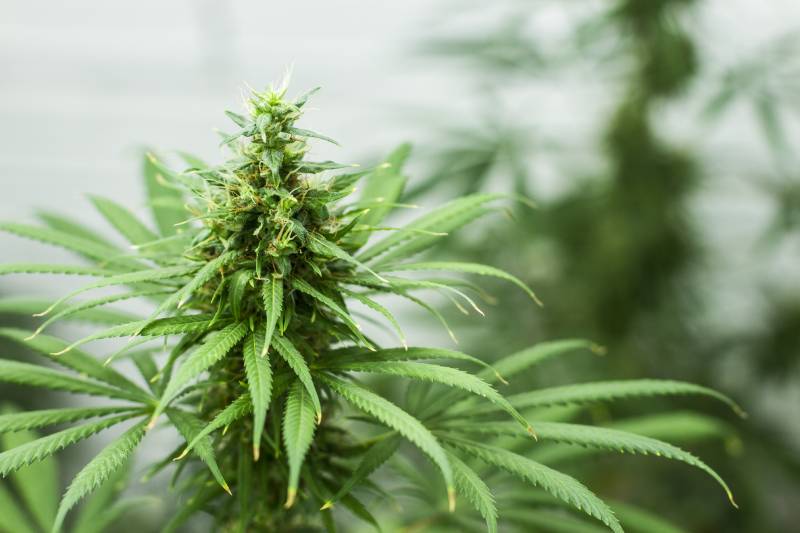
As a dog lover and veterinary professional, I‘ve seen firsthand the heartbreaking consequences that can occur when our curious canine companions get into marijuana and other cannabis products. With the increasing legalization and normalization of marijuana use, it‘s more crucial than ever for dog owners to be aware of the very real risks this popular drug poses to our furry family members.
In this in-depth guide, we‘ll take a close look at how marijuana affects dogs, diving into the data on exposure routes and outcomes, exploring cutting-edge research on potential therapeutic uses and formulations, and empowering dog lovers with the knowledge and tools to keep their precious pups safe. As a dog mom myself, I know that our bond with our dogs is built on love, trust, and a commitment to their wellbeing – and that includes being informed and proactive when it comes to pot and pooches. Let‘s dig in.
Marijuana Toxicity in Dogs: Just How Common Is It?
As marijuana legalization has spread across the United States and beyond, veterinarians have seen a concerning uptick in cases of marijuana toxicity in dogs. Here are some key statistics that highlight the scope of the problem:
- A 2012 study found a 4-fold increase in marijuana toxicity cases between 2005 and 2010 at two Colorado veterinary hospitals, coinciding with the legalization of medical marijuana in the state. (Meola et al, 2012)
- Calls to the Pet Poison Helpline about marijuana ingestion have increased by 448% over the past 6 years. (Pet Poison Helpline, n.d.)
- In a 2016 survey of U.S. and Canadian veterinarians, 88% reported treating at least one case of marijuana toxicity in the past year. (Kogan et al, 2019)
These numbers paint a troubling picture, but they likely only represent a fraction of actual cases. Many exposures may go unreported due to shame, fear of legal repercussions, or a "wait and see" approach by owners.
Dr. Sasha Gibbons of Just Cats Veterinary Hospital in Stamford, CT has seen the consequences of delayed treatment firsthand. "Owners often assume their dog will just ‘sleep it off‘ but delaying care allows time for marijuana to be absorbed and metabolized, worsening and prolonging the toxic effects. I‘ve seen cases progress to the point of requiring ventilation and advanced life supportive measures. It‘s absolutely a life-threatening emergency."
While fatalities are thankfully rare, the suffering caused is still significant. In a retrospective study of 125 cases at a Colorado emergency hospital, 10% of exposed dogs developed aspiration pneumonia, 6% had seizures, and 1 dog died. (Meola et al, 2012)
Routes of Exposure: How Are Dogs Getting Into Marijuana?
To understand how to prevent marijuana toxicity, it‘s important to look at how exposure occurs. A breakdown of 2016-2020 calls to the Pet Poison Helpline shows the following routes, ranked from most to least common:
| Route of Exposure | Percentage of Cases |
|---|---|
| Ingestion of recreational marijuana (plant material, edibles, etc.) | 74% |
| Ingestion of medical marijuana products | 8% |
| Ingestion of CBD products | 10% |
| Inhalation of smoke | 6% |
| Topical exposure | 2% |
As you can see, ingestion of plant material and infused edibles intended for human consumption accounts for the vast majority of cases. "Edibles are especially problematic because they often contain other ingredients like chocolate and xylitol that are also toxic to dogs. Plus they smell enticing, almost like dog treats," explains Dr. Jamie Freyer of Veterinary Cannabis Consultants.
But while most exposures are accidental, a small but concerning number may be intentional. An informal survey by the American Holistic Veterinary Medical Association found 36% of owners had given CBD products to their pets, often without veterinary guidance. (Kogan et al, 2018)
Inhalation of second-hand smoke poses risks as well. While less potent than edibles, it can still cause intoxication and respiratory irritation. This is more likely to affect brachycephalic breeds and those with pre-existing airway disease.
"The ‘contact high‘ is real for dogs. Unlike humans who can consent and self-regulate their intake, dogs are trapped when owners smoke in enclosed spaces. It‘s not fair to force that on them," notes Dr. Freyer.
Know the Signs: Identifying Marijuana Toxicity in Your Dog
The signs of marijuana intoxication in dogs can range from mild to severe, and may include:
- Uncoordinated movement, staggering, or inability to walk
- Lethargy, drowsiness, or unresponsiveness
- Dilated pupils and glassy eyes
- Vomiting and drooling
- Tremors or seizures
- Low body temperature
- Slow heart rate
- Poor respiratory effort
- Loss of bladder control
- Coma
Signs typically begin 30 to 90 minutes after ingestion, but can be delayed up to 12 hours if an edible was consumed. (Fitzgerald et al, 2013) Symptoms often peak within a few hours and can last 24 to 72 hours depending on the dose. In severe cases, hospitalization may be needed for days.
"It‘s a terrible thing to see your dog suffer and feel helpless to comfort them. The emotional toll it takes on owners is profound," shares Dr. Gibbons.
If you suspect exposure, err on the side of caution and call your vet or poison control hotline immediately. Be upfront about what happened – details matter and your vet is not there to judge. Bring any remaining material with you if you can.
Treatment and Prognosis: What to Expect at the Vet
Unfortunately there is no specific antidote for marijuana toxicity. Treatment focuses on decontamination to prevent further absorption, such as inducing vomiting or giving activated charcoal, along with supportive care to manage symptoms:
- IV fluids to prevent dehydration and support blood pressure
- Ventilator or oxygen support for respiratory depression
- Anti-nausea and antacid medications
- Temperature and heart rate monitoring
- Sedatives or anticonvulsants to control agitation or seizures
- Intensive nursing care for recumbent or comatose dogs
"We tailor treatment to each dog based on the severity of their signs and lab work. In milder cases, outpatient care and close monitoring at home may be enough, but sicker dogs often need 24-hour care," says Dr. Freyer.
Luckily, with prompt and appropriate treatment, most dogs make a full recovery within 1 to 3 days. Still, the experience can be traumatic physically and emotionally. And sadly, not every story has a happy ending.
Jenn C. of Boston was celebrating a friend‘s birthday when her 3-year-old French Bulldog Manny snuck a pot brownie from an unattended plate. "It was such a small amount, maybe 1/4 of the brownie, that at first we weren‘t concerned," Jenn recalled. "But within an hour he was vomiting violently and could barely move."
After rushing Manny to an emergency hospital, his condition worsened to the point of needing intubation and ventilator support. Despite extensive care, Manny developed aspiration pneumonia and sepsis. He passed away two days later.
"It was absolutely devastating. The guilt still eats at me that something I brought into our home, something meant for fun and relaxation for me, ended up killing my baby. I‘ll never forgive myself," Jenn shared.
Sadly, stories like Manny‘s are all too common. But these tragedies are preventable with awareness and proactive protection.
Protecting Your Pooch: Pet-Proofing in a Pro-Pot World
As marijuana use becomes more mainstream, dog owners must be extra vigilant. Some common sense steps can go a long way:
-
Keep all marijuana and cannabis products (including CBD oils, edibles, etc.) in a locked cabinet or box out of paw‘s reach. Ensure house guests do the same.
-
Properly dispose of plant material, roaches, and packaging. Dogs are notorious dumpster divers.
-
Avoid smoking around your dog, especially in enclosed spaces. Crack a window and limit smoke time.
-
Ask about marijuana use and storage habits before letting your dog visit a new home.
-
Consider making your home smoke-free if you have a dog with respiratory issues.
"It‘s really about shifting your mindset. Yes, it‘s legal and socially acceptable for humans, but it‘s still a potentially deadly toxin for dogs. You have to think of it like any other hazardous substance in your home," advises Dr. Gibbons.
But even with precautions in place, accidents can happen. Being prepared for worst case scenarios can make all the difference:
-
Keep the contact info for your vet, local emergency clinic, and pet poison hotline (800-213-6680) in your phone.
-
Program the clinic address into your GPS for quick navigation.
-
Set aside an emergency fund to cover unexpected vet bills.
-
Learn pet first aid and CPR. Your vet may offer classes.
-
Make a pet first aid kit and keep it handy. The ASPCA recommended list is a good place to start.
Promise and Precautions: Marijuana as Veterinary Medicine?
Despite the clear risks of intoxication, the potential therapeutic benefits of certain cannabis compounds are a hot topic in veterinary medicine. Cannabidiol (CBD), a non-psychoactive component of hemp, has gained particular attention for use in managing pain, inflammation, anxiety, and seizures in dogs.
A 2018 study by Cornell University found that twice daily CBD oil significantly improved pain scores and mobility in dogs with osteoarthritis compared to placebo. (Gamble et al, 2018) Another study by Colorado State University showed promise for CBD in reducing seizure frequency in epileptic dogs. (McGrath et al, 2019)
But it‘s critical to note that medical applications would use very specific formulations and doses determined by veterinarians – not sharing a joint with your dog or giving them human CBD oil.
"We still have a lot to learn about safety, efficacy, and optimal use of cannabis-based treatments in dogs. The studies so far are promising but small and limited. We need more research to develop evidence-based protocols," cautions Dr. Freyer.
There are also significant regulatory hurdles to overcome. Cannabis remains illegal at the federal level, restricting research and development. The FDA has not approved any cannabis products for animals and has cracked down on companies making unproven health claims. (FDA, 2020)
For dog owners considering CBD or other cannabis products, working closely with your vet is essential. "Focus on reliable brands with independent lab testing and stay away from products with sparse labels and vague claims. Dosing should be calculated individually based on your dog‘s weight and condition," Dr. Freyer advises.
Appreciating the Journey Through Our Dogs‘ Eyes
At the heart of responsible marijuana use around dogs is respect for their incredibly unique sensory experience of the world. Dogs‘ noses are up to 100,000 times more sensitive than ours, capable of detecting odors in parts per trillion. (Tyson, 2012) Our casual joint or cookie is an overwhelming olfactory onslaught to them.
In the wild, a whiff of something potent would trigger a dog‘s instinct to investigate – What is this strange smell? Is it food? A threat? Something to roll in? They can‘t rationalize that it‘s a human indulgence not meant for them.
Same goes for their lack of restraint with eating. Dogs are opportunistic scavengers hardwired to gobble up anything remotely edible. It served them well as hunters and foragers, but it‘s a liability in our modern world of artificially delectable substances. They don‘t understand "special" brownies are off limits.
Dogs also metabolize substances very differently from us. Their livers produce fewer of the enzymes that break down THC, so it can accumulate to toxic levels much quicker and linger far longer than it does in humans. (Samara et al, 1988) Essentially, they get higher faster and stay higher longer off a smaller dose.
"We have to be their impulse control, their rational filter, their safety net. It‘s our job to proactively protect them from their own curiosity and instincts, because they don‘t have the context to protect themselves," reflects Dr. Gibbons.
The Dog Lover‘s Duty: A Promise to Protect
At the end of the day, choosing to use marijuana is a personal decision for humans. But with that freedom comes the responsibility to safeguard those in our care who don‘t get to make that choice – our dogs.
As dog lovers, we are honor bound to be our best friends‘ best advocates. To learn their language, anticipate their needs, defend their wellbeing. They trust us implicitly and infinitely, and that trust must be treated as sacred.
So by all means, partake as you see fit within legal limits. But please, partake mindfully, proactively, and far from curious snouts and mouths. Secure your stash, clear the air, and keep the crisis contacts close.
Remember that an ounce of prevention is worth a pound of cure. Taking precautions may seem inconvenient in the moment, but it‘s a small price to pay to save your dog from suffering – or worse, to save you from the soul-crushing grief of losing them to a preventable tragedy.
Because amidst the haze of policy and stigma and shifting mores, one truth blazes bright and clear: dogs‘ lives matter. They matter deeply, immeasurably, and it‘s up to us to act accordingly.
We are their first line of defense and their last resort, their faithful guardians in this brave new world of widening access and acceptable use. In their eyes, we are everything – and they are everything to us. That‘s a bond to be cherished and protected at all costs.
So let‘s make that loving promise to our dogs and to ourselves – to educate, advocate, and elevate their safety to the highest priority. To be the clear-eyed hero they need us to be, even if it means a little buzz kill.
Because at the end of the day, there is no better high than the pure, unconditional, enduring love of a dog. And there is no worse low than knowing you let them down when they needed you most.
In a world where highs abound for humans, let‘s make sure our dogs only know the heights of our love and protection. They deserve nothing less.