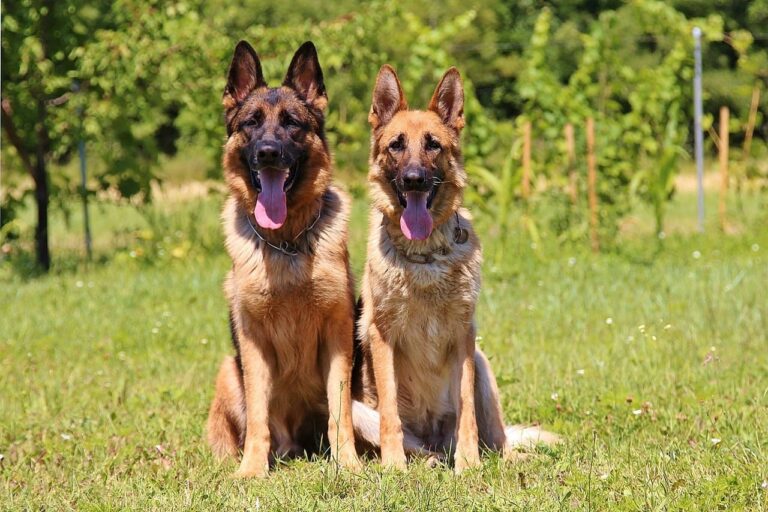
The Cretan Hound: Canine Treasure of Greece


As a dog lover and breed enthusiast, I am endlessly fascinated by the rich histories and unique characteristics of our canine companions. One breed that truly stands out is the Cretan Hound, a living legend from the island of Crete with a lineage stretching back over 5000 years. Prized for their keen senses, athleticism, and loyal nature, these exceptional dogs have played a vital role in Cretan culture since the days of the Minoans.
A Breed Shaped by History
The story of the Cretan Hound is inextricably linked to the rugged, mountainous landscape of Crete and the humans who have inhabited the island for millennia. Archaeological evidence suggests that dogs similar to the modern Cretan Hound were present on Crete as early as 3000 BC, during the height of the Minoan civilization.
Minoan pottery, coins, and frescoes depict slender, long-legged hounds with upright ears and curled tails, often in hunting scenes. These ancient artworks provide a fascinating glimpse into the early development of the breed and its importance to Cretan society.
Over the centuries, the Cretan Hound remained isolated on Crete, adapting to the island‘s terrain and serving as a skilled hunter and loyal companion. According to breed historian Dr. Maria Petrakis, "The Cretan Hound‘s conformation and hunting style evolved in response to the unique challenges of hunting on Crete – the rocky slopes, dense scrub, and wily prey like hare and wild goat."
Near Extinction and Revival
Despite their long history on Crete, the Cretan Hound faced a dire threat to its existence in the 20th century. During the German occupation of Crete in World War II, many Cretan Hounds were killed by soldiers or died of starvation. By the end of the war, only a handful of purebred dogs remained.
In the 1970s, a group of dedicated Cretan breeders led by Nikos Vasileiadis set out to save the breed from extinction. They scoured the island for remaining purebred Cretan Hounds and carefully bred them to preserve the breed‘s unique characteristics and genetic diversity.
Thanks to the efforts of these breeders, the Cretan Hound population slowly rebounded. Today, there are estimated to be around 1000 Cretan Hounds worldwide, with the vast majority still residing in Greece. The Greek Kennel Club recognized the breed in 1996, and the FCI granted provisional recognition in 2004.
Unique Hunting Style
The Cretan Hound is classified as a scenthound, but also possesses traits of sighthounds like the Greyhound or Saluki. This unique combination of scenting ability and visual acuity makes them exceptionally versatile hunters.
When hunting, Cretan Hounds typically work in pairs or small packs. They use their keen noses to follow the scent of their prey, often hare or rabbit, while also keeping watch for any visual signs of movement. Once the prey is spotted, the hounds give chase, relying on their speed, agility and endurance to run it down.
According to Dr. Petrakis, "The Cretan Hound‘s hunting style showcases their intelligence and cooperation. They use both scent and sight to locate and pursue prey, communicating with each other through barks and body language. It‘s a fascinating example of the synergy between humans and dogs in the hunting partnership."
The Cretan Hound‘s lean, athletic build is perfectly suited for this type of work. They have a light but strong frame, with long legs and a deep chest for stamina. Their short, dense coat protects them from scrapes and brambles while still allowing them to stay cool in the Mediterranean heat.
Temperament and Training
In addition to their hunting prowess, Cretan Hounds are prized for their loyal, affectionate nature and keen intelligence. They bond deeply with their human families and thrive on attention and interaction.
Eleni Kostaridou, a Cretan Hound breeder and owner, describes the breed‘s temperament: "Cretan Hounds are very devoted to their people and eager to please, but they also have an independent streak. They need an owner who can provide firm, consistent leadership and plenty of mental stimulation."
As with many hunting breeds, Cretan Hounds require early socialization and training to develop good manners and impulse control. Their strong prey drive and tendency to follow scents can lead them to become easily distracted or wander off, so a securely fenced yard and leash training are musts.
Positive reinforcement methods work best with this sensitive, intelligent breed. Harsh corrections or punishment can damage their trust and enthusiasm. With patience and consistency, Cretan Hounds can excel in obedience, agility, and other canine sports.
Health and Longevity
One advantage of the Cretan Hound‘s isolation and careful breeding is that they have remained a relatively healthy breed with few genetic disorders. However, like all purebred dogs, they can be prone to certain health issues.
Some of the most common health concerns in Cretan Hounds include:
- Hip dysplasia
- Elbow dysplasia
- Eye disorders like progressive retinal atrophy (PRA) and cataracts
- Gastric dilatation volvulus (bloat)
- Autoimmune thyroiditis
Responsible Cretan Hound breeders will screen their breeding stock for these conditions and provide health clearances for hips, elbows, eyes and thyroid. The Hellenic Society for the Protection of the Cretan Hound recommends that all breeding dogs be registered with the society and undergo genetic testing.
With proper care and nutrition, Cretan Hounds can enjoy a lifespan of 12-15 years on average. Keeping them lean, providing regular exercise, and feeding a high-quality diet can help prevent obesity and joint issues as they age.
Activities and Sports
Given their history as hunting companions, it‘s no surprise that Cretan Hounds excel at various canine sports and activities. Their keen noses, visual acuity, and athleticism make them naturals at scent work, lure coursing, and agility.
Scent work involves teaching dogs to locate specific odors and alert their handlers when they find them. Cretan Hounds can be trained to detect everything from drugs and explosives to missing persons and wildlife.
Lure coursing is a sport that simulates the pursuit of prey, with dogs chasing a mechanized lure across a field. Cretan Hounds often top the rankings in lure coursing events, showcasing their speed and agility.
In agility, dogs navigate an obstacle course with jumps, tunnels, and weave poles as quickly and accurately as possible. The Cretan Hound‘s intelligence, athleticism and trainability make them strong contenders in this fast-paced sport.
Of course, not every Cretan Hound needs to be a champion athlete. They can also make wonderful hiking and running companions, therapy dogs, and search & rescue partners. The key is providing them with ample physical and mental exercise in whatever form best suits their individual personality and lifestyle.
Comparison to Similar Breeds
To fully appreciate the Cretan Hound‘s unique qualities, it can be helpful to compare them to other similar breeds. The following chart highlights some key differences and similarities between Cretan Hounds and three other Mediterranean hunting breeds:
| Breed | Height (in) | Weight (lbs) | Coat Type | Ear Type | Tail Type | Life Span | Country of Origin |
|---|---|---|---|---|---|---|---|
| Cretan Hound | 20-24 | 35-50 | Short, dense | Erect | Curled | 12-15 yrs | Greece |
| Pharaoh Hound | 21-25 | 40-60 | Short, glossy | Erect | Whip-like | 12-14 yrs | Malta |
| Ibizan Hound | 22-29 | 45-65 | Short/wire | Erect | Whip-like | 12-14 yrs | Spain |
| Portuguese Podengo | 16-28 | 35-65 | Smooth/wire | Erect | Sickle/curled | 12-15 yrs | Portugal |
While these breeds share some similarities in appearance and original function, the Cretan Hound stands out for its unique combination of scenting and sighting ability, as well as its strong attachment to humans and versatility in various roles beyond hunting.
Fun Facts and Anecdotes
-
The Cretan Hound is the official national dog of Greece and is featured on postage stamps and coins.
-
In Greek mythology, the god Zeus was said to have gifted King Minos of Crete with a magical hunting dog that could catch any prey it pursued. Some believe this legend refers to the Cretan Hound.
-
Cretan Hounds have an unusual bark that sounds more like a yodel or laugh than a typical dog bark. This unique vocalization may have developed as a way for the dogs to communicate with each other and their human handlers over long distances in the mountains.
-
In 2005, a Cretan Hound named Aika made headlines when she located an elderly woman with Alzheimer‘s who had wandered away from her village. Aika tracked the woman‘s scent for over 10 miles and led rescuers to her location, saving her life.
-
Cretan Hounds are sometimes called "Kritikos Ichnilatis" in Greek, which translates to "Cretan Tracker." This name reflects their exceptional scenting abilities and role as hunting companions.
Is a Cretan Hound Right for You?
If you‘re considering adding a Cretan Hound to your family, it‘s important to carefully evaluate whether this rare and unique breed is a good fit for your lifestyle and experience level. Cretan Hounds can make wonderful companions for active, dedicated owners who appreciate their intelligence, loyalty and athleticism.
However, they are not the right choice for everyone. Cretan Hounds require extensive daily exercise, mental stimulation, and socialization to thrive. They can be challenging to train and manage for novice owners due to their independent nature and strong prey drive.
Cretan Hounds also need a securely fenced yard and leash walks, as they may wander off or chase small animals if given the chance. They can adapt to various living situations, but do best in homes with ample outdoor space and opportunities for activity.
If you can provide the time, energy, and resources to meet a Cretan Hound‘s needs, you will be rewarded with a deeply loyal, affectionate and fascinating companion. These ancient and noble dogs have much to teach us about the enduring bond between humans and canines.
As breed enthusiast Eleni Kostaridou puts it, "Living with a Cretan Hound is like having a piece of history in your home. They connect us to the ancient past and remind us of the incredible journey dogs and humans have shared for thousands of years. It‘s a privilege to be a part of preserving this special breed for future generations."
With ongoing efforts by dedicated breeders, fanciers and historians, the Cretan Hound will continue to thrive as a living testament to the enduring partnership between dogs and humans. By understanding and appreciating their unique history, abilities and needs, we can ensure that this canine treasure remains a vital part of our world for many years to come.