
Can Pugs Swim? A Comprehensive Guide to Water Safety for Your Furry Friend
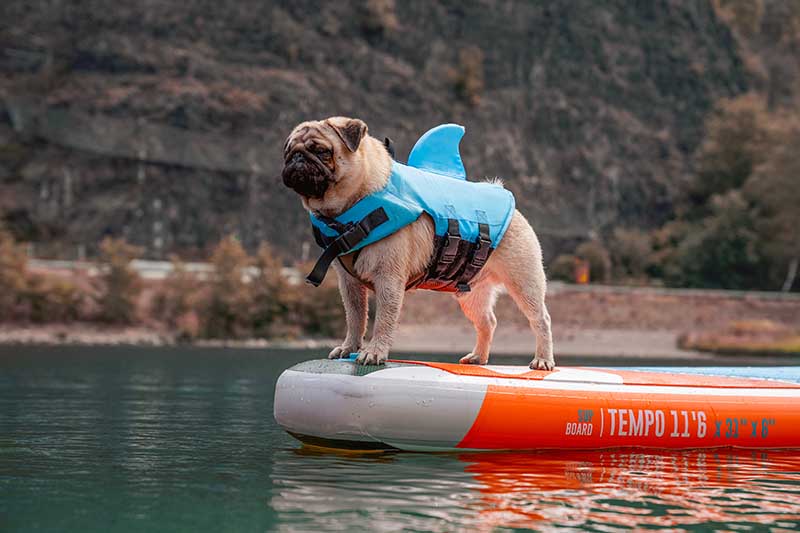
As a pug owner and dog lover, you want nothing more than to share all of life‘s joys with your furry companion, including the refreshing fun of swimming. However, before diving in with your pug, it‘s crucial to understand their unique physical characteristics and the challenges they face when it comes to water activities. In this comprehensive guide, we‘ll explore the swimming abilities of pugs, the precautions you should take, and alternative ways to help them safely enjoy the water.
The Anatomy of a Pug: Built for Cuddles, Not Swimming
Pugs are known for their charming, wrinkly faces and stocky, muscular bodies. While these features make them irresistibly cute and perfect for snuggling, they also contribute to the challenges pugs face when swimming.
Brachycephalic Syndrome
One of the most significant factors affecting a pug‘s swimming ability is their flat, compressed facial structure, which is a hallmark of brachycephalic breeds. This anatomy can lead to a host of respiratory issues, collectively known as brachycephalic syndrome, which can make it difficult for pugs to breathe efficiently, especially during strenuous activities like swimming.
According to a study by the University of Cambridge, brachycephalic breeds like pugs are at a significantly higher risk of developing respiratory problems compared to other dog breeds. The study found that pugs were 54 times more likely to suffer from brachycephalic obstructive airway syndrome (BOAS) than Labrador Retrievers (Liu et al., 2017).
| Breed | Relative Risk of BOAS |
|---|---|
| Pug | 54.0 |
| French Bulldog | 53.0 |
| Bulldog | 38.0 |
| Labrador Retriever | 1.0 |
Source: Liu et al., 2017, "Conformational risk factors of brachycephalic obstructive airway syndrome (BOAS) in pugs, French bulldogs, and bulldogs."
When swimming, pugs need to tilt their heads upward to keep their noses and mouths above water, which can further restrict their already compromised airways. This can make it difficult for them to breathe and puts them at risk of inhaling water, leading to potentially life-threatening situations.
Short Legs, Long Bodies, and Spinal Issues
In addition to their facial structure, pugs also have a unique body composition that can make swimming challenging. Their short legs and long, stocky bodies make it harder for them to propel themselves through the water efficiently and maintain proper swimming form. This can cause them to tire quickly and struggle to stay afloat, especially in deep water or strong currents.
Moreover, pugs are prone to spinal issues due to their elongated spines and corkscrew tails. According to the Pug Dog Club of America, approximately 1 in 4 pugs will experience some degree of spinal degeneration or paralysis in their lifetime (PDCA, 2021). These conditions can further compromise a pug‘s ability to swim and put them at risk of injury or drowning.
Potential Health Risks for Swimming Pugs
In addition to the physical challenges pugs face when swimming, there are also several health risks to be aware of:
Respiratory Distress
As mentioned earlier, pugs are prone to respiratory distress due to their brachycephalic syndrome. When swimming, this can manifest as excessive panting, labored breathing, coughing, or even choking. If left unchecked, respiratory distress can lead to serious complications like collapse, aspiration pneumonia, or drowning.
Dr. Katharine Hillestad, a veterinarian specializing in canine rehabilitation, emphasizes the importance of monitoring pugs closely during water activities. "Pug owners should be vigilant in watching for signs of respiratory distress, such as open-mouth breathing, excessive panting, or a blue tinge to the tongue or gums," she advises. "If you notice any of these signs, it‘s crucial to get your pug out of the water and allow them to rest and recover."
Overheating and Heatstroke
Pugs are also susceptible to overheating, as their flat faces make it harder for them to regulate their body temperature through panting. When swimming in warm water or during hot weather, pugs can quickly become overheated, leading to heatstroke.
Symptoms of heatstroke in pugs include:
- Excessive panting
- Drooling
- Vomiting
- Diarrhea
- Weakness or collapse
- Seizures
If you suspect your pug is suffering from heatstroke, it‘s essential to act quickly. Remove them from the heat, provide cool (not cold) water to drink, and apply cool, wet towels to their body. If symptoms persist or worsen, seek immediate veterinary care.
Exhaustion and Fatigue
Swimming is a physically demanding activity for pugs, and they can easily become exhausted due to their anatomical limitations. A tired pug may struggle to keep their head above water, increasing the risk of inhaling water and drowning.
To prevent exhaustion, it‘s crucial to keep swimming sessions short and provide frequent rest breaks. Dr. Hillestad recommends starting with swim sessions of no more than 5 minutes and gradually increasing the duration as your pug builds stamina and confidence in the water.
Teaching Your Pug to Swim: A Step-by-Step Guide
If you want to introduce your pug to swimming, it‘s essential to do so gradually and with proper safety measures in place. Here‘s a step-by-step guide to help your pug become a confident and safe swimmer:
-
Start with a well-fitting life jacket: Choose a life jacket specifically designed for dogs, ensuring it provides adequate buoyancy and doesn‘t restrict your pug‘s movement or breathing. Look for a jacket with a handle on the back, which can help you support and guide your pug in the water.
-
Begin in shallow water: Start your pug‘s swimming lessons in shallow water, such as a kiddie pool or the shallow end of a larger pool. Let your pug get comfortable with the water at their own pace, and never force them if they seem anxious or resistant.
-
Support your pug‘s body: As your pug starts to paddle, support their body by placing your hand under their belly or chest. This will help them maintain proper form and keep their head above water, reducing the risk of inhaling water or becoming fatigued.
-
Use positive reinforcement: Encourage your pug with praise, treats, and toys to create a positive association with swimming. Celebrate their progress and efforts, no matter how small, to build their confidence in the water.
-
Keep sessions short and frequent: Limit swimming sessions to no more than 5-10 minutes at a time, and provide plenty of rest breaks to allow your pug to catch their breath and recover. Aim for multiple short sessions rather than one long session to prevent exhaustion and minimize the risk of respiratory distress.
-
Monitor for signs of distress: Watch your pug closely for any signs of distress, such as excessive panting, coughing, lethargy, or a change in swimming behavior. If you notice any of these signs, end the swimming session immediately and allow your pug to rest and recover.
-
Practice water exit: Teach your pug how to safely exit the water by guiding them to the steps or a ramp. Practice this skill repeatedly, so your pug knows how to get out of the water independently in case of an emergency.
By following these steps and prioritizing your pug‘s safety and comfort, you can help them develop the skills and confidence needed to enjoy swimming safely.
Alternative Water Activities for Pugs
If your pug isn‘t a fan of swimming or you‘re concerned about the risks, there are still plenty of ways for them to enjoy the water without fully submerging. Here are some fun and safe alternative water activities for pugs:
-
Sprinkler play: Set up a sprinkler in your yard and let your pug run through the spray to cool off on hot days. This low-impact activity provides a refreshing and entertaining way for your pug to enjoy the water without the risks associated with swimming.
-
Shallow wading pools: Fill a shallow kiddie pool with just a few inches of water for your pug to splash and play in. This allows them to experience the sensation of water without the need to swim, and the shallow depth minimizes the risk of drowning or exhaustion.
-
Canine splash pads: Invest in a canine splash pad, which is a shallow, textured platform with built-in water jets that provide a fun, low-impact water experience. These splash pads are designed specifically for dogs and offer a safe and entertaining way for pugs to enjoy the water.
-
Beach or lakeside walks: Take your pug on a walk along the beach or a lakeshore, allowing them to wade in the shallow water and explore the new environment. Be sure to keep your pug on a leash and provide plenty of fresh water to prevent dehydration and overheating.
-
Water-based puzzle toys: Offer your pug water-based puzzle toys, such as floating treat dispensers or ice cube trays filled with low-sodium broth. These toys encourage mental stimulation and provide a refreshing and engaging activity that doesn‘t involve swimming.
Remember, even with these lower-risk activities, it‘s essential to supervise your pug closely and watch for signs of distress or overheating. Provide plenty of fresh water, shade, and rest breaks to ensure your pug stays safe and comfortable during water play.
Post-Swim Care for Pugs
After any water activity, it‘s essential to provide proper post-swim care for your pug to ensure their comfort and health. Here are some key steps to follow:
-
Rinse off chlorine and salt water: If your pug has been swimming in a pool or the ocean, rinse them off thoroughly with clean, fresh water to remove any chlorine or salt that could irritate their skin or eyes. Pay special attention to their facial folds, as these areas can trap moisture and lead to skin infections if not cleaned properly.
-
Dry their ears: Pugs are prone to ear infections due to their floppy ears and narrow ear canals. After swimming, use a soft, absorbent towel to gently dry your pug‘s ears, taking care not to push the towel too deep into the ear canal. You can also use a veterinarian-approved ear cleaner to help prevent infections.
-
Brush and groom: Once your pug is dry, brush their coat to remove any tangles or mats that may have formed during swimming. This is also a good opportunity to check for any signs of skin irritation, such as redness, bumps, or rashes.
-
Provide a cool, comfortable resting area: After water activities, your pug will likely be tired and in need of rest. Provide a cool, comfortable space for them to relax and recover, such as a cushioned bed in a well-ventilated room. Encourage your pug to drink plenty of fresh water to stay hydrated and prevent heat-related illnesses.
Frequently Asked Questions
-
Can all pugs swim?
While all pugs have the inherent ability to paddle in water, not all pugs are capable of swimming safely or efficiently due to their unique physical characteristics and potential health risks. It‘s essential to assess your individual pug‘s abilities and limitations before engaging in water activities. -
At what age can I start teaching my pug to swim?
It‘s generally recommended to wait until your pug is at least 6 months old before introducing them to swimming. This allows them to develop sufficient physical strength and coordination. However, every pug is different, and some may not be ready for swimming until they are older. Always consult with your veterinarian before starting any new physical activity with your pug. -
How long can pugs swim for?
Due to their physical limitations and potential health risks, pugs should only swim for short periods, typically no more than 5-10 minutes at a time. It‘s crucial to provide frequent rest breaks and monitor your pug closely for signs of fatigue or distress. -
Can pugs swim in cold water?
Pugs should avoid swimming in cold water, as they are prone to hypothermia due to their short coat and lack of body fat. If your pug accidentally falls into cold water, remove them immediately and dry them off with warm towels. If symptoms of hypothermia persist, seek veterinary care. -
Do pugs need to wear life jackets when swimming?
Yes, it is highly recommended that pugs wear well-fitting life jackets when swimming, as they provide added buoyancy and support, reducing the risk of drowning or exhaustion. Look for life jackets specifically designed for brachycephalic breeds, ensuring they don‘t restrict your pug‘s breathing or movement.
The Bottom Line
Pugs can swim, but they face unique challenges and risks due to their physical characteristics and potential health issues. As a responsible pug owner and dog lover, it‘s essential to understand these limitations and take proper precautions when introducing your pug to water activities.
By providing a well-fitting life jacket, starting in shallow water, keeping sessions short, and monitoring your pug closely for signs of distress, you can help ensure their safety and enjoyment in the water. If swimming isn‘t the right fit for your pug, there are plenty of alternative water activities that offer fun and enrichment without the added risks.
Ultimately, the key to a happy and healthy pug is understanding their individual needs, prioritizing their safety, and providing them with the love, care, and attention they deserve. By being an informed and proactive pug owner, you can help your furry friend live their best life, both in and out of the water.


