
Cava Tzu (Cavalier King Charles Spaniel & Shih Tzu Mix): Pictures, Guide, Info, & Care!

The Cava Tzu: A Comprehensive Guide to the Cavalier King Charles Spaniel Shih Tzu Mix
Are you looking for an affectionate, intelligent, and adorably fluffy companion? Look no further than the Cava Tzu! This designer dog breed crosses the gentle Cavalier King Charles Spaniel with the spunky Shih Tzu, resulting in a petite pooch with a big personality. Cava Tzus have been rising in popularity over the past decade thanks to their sweet temperaments, hypoallergenic coats, and adaptability to many different lifestyles. Whether you live in an apartment or a spacious home, have a bustling family or are a solo senior, the Cava Tzu can be a wonderful addition.
To help you decide if the Cava Tzu is the right breed for you, we‘ve put together this comprehensive guide covering everything you need to know, from their history and physical characteristics to their grooming needs and health concerns.
Breed Overview
The Cava Tzu is a cross between the Cavalier King Charles Spaniel and the Shih Tzu, two small companion breeds with long histories of being beloved lapdogs. Cavalier King Charles Spaniels can trace their lineage back to 16th century England, where they were the favored pets of royalty like King Charles I and II. Shih Tzus, on the other hand, originated in ancient China and were treasured by Chinese emperors. It‘s believed they were developed by crossing Lhasa Apsos and Pekingese dogs.
As with many designer dog breeds, it‘s unclear exactly when and where the first Cava Tzus were intentionally bred. However, the practice of crossing purebred dogs to create small, cute, low-shedding companion dogs started to gain popularity in the U.S. in the late 1990s. The Cava Tzu falls into this category alongside other popular mixes like Cavachons, Maltipoos and Puggles. While not recognized by the American Kennel Club due to their hybrid status, Cava Tzus are recognized by the Designer Dogs Kennel Club.
Appearance
Since the Cava Tzu is a mix of two different breeds, their appearance can vary quite a bit depending on which parent they take after more. In general though, Cava Tzus are small dogs, typically weighing between 10 to 16 pounds and standing 12 to 13 inches tall at the shoulder when fully grown. They have compact, sturdy bodies with short legs and round, expressive eyes.
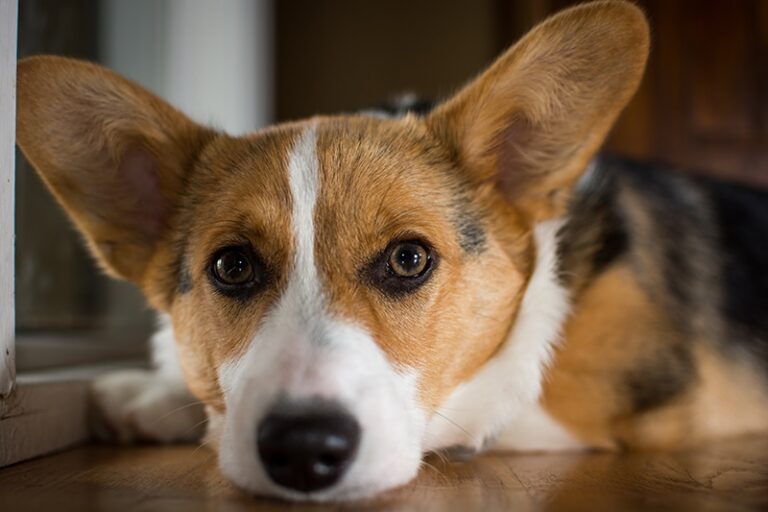
One of the Cava Tzu‘s most notable features is their long, silky coat which can be slightly wavy or straight. They have a soft, fluffy undercoat and longer hair on the ears, tail, and legs which gives them an adorably shaggy look. Their coats come in four main colors – white, black, brown, and tan. These colors can combine in a number of ways, such as in a parti-color pattern of white with black or brown markings.
Cava Tzus can inherit the flatter faces of their Shih Tzu parent, which puts them in the brachycephalic category. This facial structure, while endearing, can cause some respiratory issues which we‘ll cover more in the health section. The Cavalier influence usually gives Cava Tzus a slightly longer muzzle than a purebred Shih Tzu, but they still tend to have an underbite.
Temperament
The Cava Tzu‘s winning personality is a big part of their charm. These little dogs absolutely love being around their favorite people and will follow you from room to room. They form very strong bonds with their owners and can be prone to separation anxiety if left alone too long or not given enough attention. On the plus side, this means they are content to cuddle in your lap for hours.
These spaniels are very friendly and outgoing, eager to greet strangers with a wagging tail and a hopeful look that says "please pet me!". Early socialization is important to nurture this confidence – exposing your Cava Tzu puppy to lots of new people, animals, and situations will help them grow into a well-adjusted adult dog.
Cava Tzus tend to get along well with children and make great playmates, as long as kids are taught to be gentle with them. Their small size means they can accidentally get injured by rough play. They usually do well with other dogs and can enjoy romping around with canine pals, although some can have a prey drive towards smaller pets like rodents due to their spaniel heritage.
While Cava Tzus may alert you to sounds with a few barks, they aren‘t overly yappy dogs and don‘t make the best guard dogs. They are lovers, not fighters! Their moderate energy level means they are happy with a few short walks and some playtime each day. This adaptability combined with their compact size makes them well suited for apartment living.
Grooming
One of the perks of the Cava Tzu is that they are a low-shedding breed thanks to inheriting the Shih Tzu‘s hair-like coat. They are considered hypoallergenic and can be a good choice for allergy sufferers, although no dog is 100% allergen-free. While you won‘t have to deal with endless hair on your furniture, Cava Tzus do require regular brushing to prevent mats and tangles, ideally every other day.
Cava Tzus don‘t need frequent bathing – once a month or so is usually sufficient unless they get into something stinky. Take care not to get water into their big, floppy ears which can lead to infections. Their long hair around the eyes should be trimmed or held back with a bow to prevent irritation. Dental hygiene is very important for Cava Tzus since they can be prone to teeth and gum issues – daily brushing is ideal.
Other grooming needs include regularly clipping their fast-growing nails, cleaning any tear stains from under the eyes, and checking ears for wax buildup and debris. Some owners opt to have their Cava Tzu‘s coat trimmed short by a groomer every few months to keep them neat and tidy. However, Cava Tzus look adorable when kept in a longer, fluffy puppy cut too.
Health
The Cava Tzu is generally a healthy breed with a lifespan of 12 to 15 years, but like all dogs, they can be predisposed to certain health conditions. The most common health issues seen in Cava Tzus include:
-
Mitral valve disease: A heart condition where the mitral valve deteriorates, leading to a heart murmur and eventually congestive heart failure. This is often inherited from the Cavalier King Charles Spaniel side.
-
Brachycephalic airway syndrome: The flat face shape can cause breathing problems, especially in hot weather or during exercise. Keeping a Cava Tzu at a healthy weight and in a cool environment helps reduce risk.
-
Eye issues: Eye conditions like cherry eye, dry eye, cataracts and retinal dysplasia have been seen in the breed. Regular eye exams can help catch problems early.
-
Luxating patellas: Small dogs are prone to kneecaps that slip out of place, causing lameness. Keeping a Cava Tzu lean and giving joint supplements can help prevent this condition from progressing.
-
Dental disease: Small mouths mean crowded teeth, leading to plaque buildup, tooth decay and gum inflammation. The previously mentioned daily brushing is key!
Not every Cava Tzu will get these conditions, but it‘s important to be aware of them. Choosing a reputable breeder who health tests parent dogs can reduce the risk of inheriting genetic disorders. A good breeder will be open about health issues in their lines.
Lifespan
Thanks to being a small dog and a hybrid of generally healthy breeds, the Cava Tzu has a fairly long life expectancy of 12 to 15 years. Some can even live into their late teens with great care. Of course, to help your Cava Tzu live their best life, they should get preventative vet care, a high quality diet, daily exercise, and lots of love.
Training
The Cava Tzu is a highly intelligent little dog thanks to their spaniel smarts and Shih Tzu cleverness. Most pick up on training quickly, especially if you use positive reinforcement methods involving treats and praise. Since they can have a bit of a stubborn streak, it‘s good to start training your Cava Tzu early before bad habits set in.
House training is one of the first things you‘ll want to teach your Cava Tzu puppy. Like many small dogs, they can take a bit longer to housetrain – be patient and consistent with taking them outside frequently. Crate training can be very helpful to speed up the process. As with any dog, never punish a Cava Tzu for accidents as this only makes them afraid to go in front of you.
Socialization is another key part of a Cava Tzu‘s training, exposing them to many friendly people, dogs, sights and sounds during their crucial early development window. Well-run puppy classes are a great way to socialize in a safe environment. Even though they are tiny and cute, Cava Tzus still need to learn basic obedience and manners. At a minimum, teach your Cava Tzu to sit, stay, come when called, and walk politely on a leash.
Because they can be so attached to their owners, it‘s also a good idea to practice brief separation periods with your Cava Tzu so they learn that being alone is OK sometimes. Puzzle toys, long-lasting chews, and a cozy crate can help them feel safe and prevent destructive anxiety behaviors. If separation anxiety becomes severe, consult with a certified dog trainer for a personalized plan.
Fun Facts
- While they aren‘t purebred, some celebrity owners have recently given the Cava Tzu more time in the spotlight, including Perez Hilton and Nam Joo-hyuk.
- One owner says their Cava Tzu loves to "sing" by howling along when they play the harmonica!
- Despite their small size, Cava Tzus often think they are big tough dogs on walks, marching along with confidence.
- Cavalier King Charles Spaniels have been called "comforter spaniels" and Cava Tzus definitely inherit the same love of snuggling.
- Shih Tzus were once known as "chrysanthemum-faced dogs" in England due to their cute, scrunchy faces and fluffy fur.
So there you have it, the scoop on the charismatic Cava Tzu! These charming little dogs can bring so much joy, affection, and laughter to your life with their endearing personalities. Just be prepared for them to steal your heart and your spot on the couch. If you are looking for a pint-sized companion to share your days with, the captivating Cava Tzu could be the pawfect match.



:%20Pictures,%20Guide,%20Info,%20&%20Care!)