
Chestie (Chihuahua & West Highland White Terrier Mix): Pictures, Info & Care
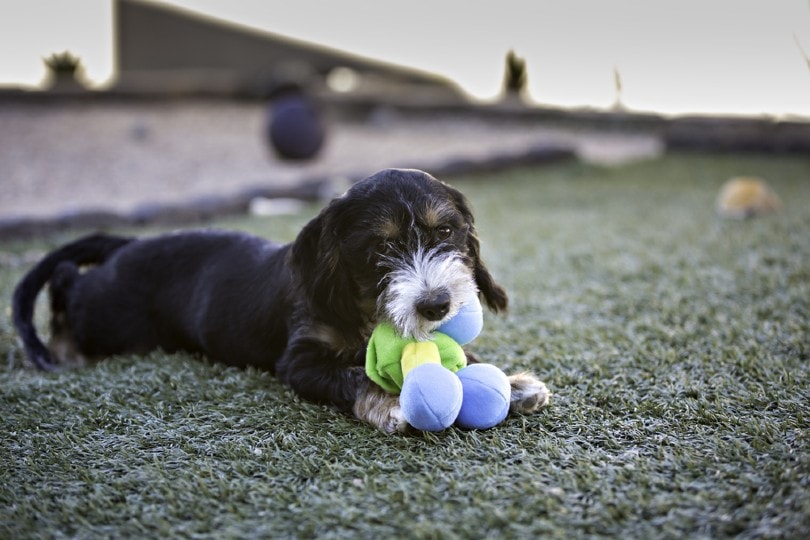
Meet the Chestie: The Charming Chihuahua-Westie Mix
Are you looking for a small, spunky canine companion with a big personality? Look no further than the adorable Chestie! This designer dog breed combines the best traits of the sassy Chihuahua and the friendly West Highland White Terrier, resulting in an intelligent, playful and loyal pup. In this comprehensive guide, we‘ll take a closer look at the origins, characteristics, care needs and charms of the charismatic Chestie.
Designer Dog Origins
The Chestie is a relatively new hybrid dog breed that has gained popularity over the past decade or so. As a cross between a purebred Chihuahua and West Highland White Terrier (often called a Westie for short), each Chestie inherits a unique combination of traits from their parent breeds.
The Chihuahua, one of the world‘s smallest dog breeds, originated in Mexico. These alert, confident little dogs have been cherished companions for centuries, even dating back to ancient Mayan times. More recently, Chihuahuas have been extremely popular with celebrities, being toted around in purses as the ultimate accessory pups.
Meanwhile, the Westie hails from Scotland, where this plucky white Terrier was bred to hunt rodents and small game. With their confident demeanor, lively intelligence, and adorable looks, Westies have long been beloved family pets across Great Britain and beyond.
Breeders carefully selected choice representatives of these two purebreds to cross, aiming to produce a small dog with the Chihuahua‘s loyal, portable size and the Westie‘s friendliness and stable temperament. The result was the charismatic Chestie!
Perky Portable Cuteness
So what does a Chestie look like? As a hybrid breed, their appearance can vary, but in general Chesties are small dogs, typically weighing between 8-15 pounds and standing 10-12 inches tall at the shoulder. They have compact, sturdy bodies and round heads with dark, expressive eyes and upright, pointed ears.
Chestie coats are usually a mix of the Chihuahua‘s short, smooth hair and the Westie‘s dense double coat. Common coat colors include white, cream, fawn and black – or a mix of a few shades. They may have the Westie‘s fuzzy facial furnishings or a shorter, neater look. Either way, Chesties have irresistibly cute faces that are sure to melt your heart!
Big Hearts & Brains in Small Packages
Don‘t let their diminutive size fool you – Chesties have huge personalities! They bond very closely with their families and crave being the center of attention. You‘ll often find your Chestie following you from room to room, hopping onto your lap any chance they get, and even burrowing under the covers to snuggle at bedtime.
As super smart cookies, Chesties need plenty of mental stimulation to prevent boredom. They excel at learning tricks and thrive with positive reinforcement training using toys, games and treats. Puzzle feeders are ideal to challenge their active minds during solo time.
While Chesties may inherit the Chihuahua‘s tendency to be yappy watchdogs, they are far less nervous and highly social with people when well socialized from a young age. These outgoing, perky pups make friends everywhere they go! Just watch that they don‘t get underfoot – their small size means you‘ll need to watch your step.
Moderate Activity Needs
The good news for apartment and city dwellers is that Chesties don‘t require a huge amount of outdoor exercise. A few short daily walks and some indoor playtime will keep them happy and healthy. They do have a moderate prey drive thanks to their Westie heritage, so keep them leashed outdoors so they don‘t go sprinting after squirrels! A safely fenced yard is ideal for games of fetch.
Despite their portable size, Chesties aren‘t really cut out to be purse dogs. They are energetic and surprisingly athletic, excelling in dog sports like agility, rally, and scent work. Participating in an activity together is a wonderful way to bond with your clever Chestie. Just keep an eye on them around bigger dogs to avoid accidental injuries during play.
Simple Grooming & Care
One of the many advantages of Chesties is their relatively low-maintenance grooming needs compared to many small fluffy breeds. While they are moderate shedders, regular brushing a few times a week will keep their coat healthy and minimize flyaway fur on your furniture. Plan on the occasional bath every month or two – more often if your pup likes to roll in mud puddles! Dental chews and a finger toothbrush can help prevent periodontal disease, a common issue in small breeds.
Given their tiny stature, housetraining a Chestie can take patience and consistency. Set them up for success by keeping a regular schedule, rewarding outdoor elimination with treats and praise, and thoroughly cleaning up any indoor accidents. Litter box training is another option for these pint-sized pups if you need more flexibility.
Potential Health Issues
Like all purebreds and hybrid dogs, Chesties can be predisposed to certain health issues stemming from their parent breeds. Some conditions to be aware of include:
-
Patellar Luxation: Chesties may inherit the Chihuahua‘s tendency for slipping kneecaps, which can cause lameness and pain if severe. Surgical correction may be needed.
-
Eye Issues: Dry eye, corneal ulcers, cataracts and glaucoma have been reported in both Westies and Chihuahuas. Regular vet checks can identify issues early.
-
Cardiac Concerns: Some Chihuahuas are prone to heart valve problems and murmurs. A heart ultrasound can detect any abnormalities.
-
Tracheal Collapse: Westies and other small breeds can have weakened or malformed tracheas that make breathing difficult. An X-ray can determine severity.
-
Dental Disease: Small dogs are highly prone to tartar buildup, gum infection and tooth loss. Daily dental care is a must!
The best way to stack the deck in favor of a healthy puppy is to work with a reputable breeder who tests their breeding stock for common genetic issues. But even with the most conscientious breeding, any individual dog can have health hiccups, so be sure to establish care with a trusted veterinarian experienced with small dogs.
Terrific Family Companions
One of the Chestie‘s greatest qualities is their ability to fit into all kinds of households. As long as they get plenty of companionship, they are adaptable to most living situations from apartments to larger homes. They generally get along well with children, making cheerful playmates – just supervise any interactions with young kids to prevent accidental rough handling. Many Chesties live amicably with other pets, especially if raised together, although they may need reminders not to chase cats.
Training & Socialization Are Key
Early socialization is important to prevent Chesties from becoming overly suspicious or snappish with strangers. Introduce your pup to plenty of new people, animals, places and experiences to build their confidence. Keep greetings low-key and let your Chestie approach guests on their own terms.
Like any dog, Chesties need patient, positive training to become well-mannered family members. They can have an independent streak, but are eager to please and highly food motivated. Keep training sessions short and gamelike to hold their attention. Focus on basics like sit, down, stay, come, and leave it. Teaching your Chestie to relax in a pen or crate will help prevent separation anxiety if left alone.
Fun Chestie Facts
-
Celebrity Chestie owners include model/actress Elizabeth Hurley and Oasis singer Liam Gallagher.
-
The world‘s oldest dog (according to Guinness) was a Chestie named Spike who lived to age 23 – that‘s over 100 in human years! He credited his longevity to a vegan diet.
-
Chesties excel at Barn Hunt, a sport where dogs locate rats (safely enclosed in protective tubes) hidden in a maze of straw bales. Their Westie prey drive kicks in big time!
-
A pair of photogenic Chesties named Milo and Otis have over 200K followers on Instagram, @milothechestie. Their adorable antics bring smiles around the world.
Chestie Resources & Breeders
If your heart is set on a charismatic Chestie, be sure to do your research before bringing one home. The Chihuahua Club of America and the West Highland White Terrier Club of America are good places to start to learn more about the parent breeds and find reputable breeders. Designer dogs like Chesties are also available through some rescue organizations if you‘d prefer to adopt.
When selecting a breeder, look for one who does extensive health testing on their dogs and provides a written health guarantee. Avoid pet stores or online ads touting cheap puppies – many of these come from puppy mills. A responsible breeder will invite you to tour their facility, meet the parents, and answer all your questions about their breeding program.
Once you bring your Chestie bundle of joy home, you‘ll need some basic supplies like:
- A snug harness and leash for walks (their necks are delicate!)
- Food and water bowls sized for a small dog
- Age-appropriate puppy or dog food
- A cozy bed or crate with soft bedding
- Plenty of fun, durable toys for playtime
- Grooming tools like a brush, nail clippers, and dental supplies
- Waste bags and a small pooper scooper
Conclusion
The charismatic Chestie may be small in stature, but they are big on personality, intelligence and heart. For the right person or family, these spunky, affectionate dogs make extraordinarily devoted companions. With proper care, training and love, you can look forward to many joyful years with your cherished Chestie by your side. Their portable size and moderate exercise needs make them adaptable to many living situations, so they can fit seamlessly into all sorts of households. If you‘re looking for a pint-sized pal to keep you giggling with their clownish antics and melt your heart with their undying devotion, the delightful designer Chestie may just be your dream dog!




:%20Pictures,%20Info%20&%20Care)