The Australian Shepherd Double Coat: An Ultimate Guide

As a veterinarian and lifelong dog lover, I‘m fascinated by the many unique characteristics of different breeds. One of the most striking features of the Australian Shepherd is their gorgeous, fluffy double coat. But what does it really mean to be a double-coated dog? Is it all just for looks, or does that extra fluff serve a purpose? In this ultimate guide, we‘ll dive deep into the world of the Aussie coat, from its structure and function to grooming tips and common concerns. By the end, you‘ll have a new appreciation for these beautiful herding dogs and their signature double coats!
What is a Double Coat?
A double coat, as the name suggests, is made up of two distinct layers of fur. The undercoat is soft, dense, and wooly, providing insulation and temperature regulation. The outer coat (also called the top coat or guard hairs) is longer, coarser, and more weather-resistant. Together, these layers work to protect the dog from both cold and heat, repel moisture, and even help prevent skin injuries.
While all dogs have some amount of undercoat and guard hairs, true double-coated breeds like the Australian Shepherd have a much more pronounced dual-layer coat. Other examples of double-coated dogs include:
- German Shepherds
- Siberian Huskies
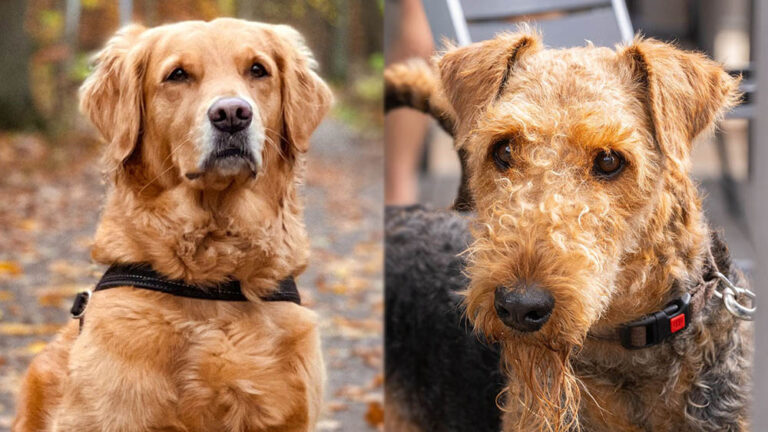
- Golden Retrievers
- Pomeranians
- Corgis
- Chow Chows
- Many spitz-type breeds
So why do some dogs have such thick, fluffy coats while others don‘t? It all comes down to their original purpose and environment. As veterinarian Dr. Jerry Klein explains, "Breeds that were developed in cold climates or for jobs that required them to spend a lot of time outdoors, like herding or sled pulling, needed that extra layer of protection from the elements" (AKC, 2020). The Australian Shepherd‘s double coat is a perfect example of this adaptation.
The Australian Shepherd Coat
Now that we know what a double coat is, let‘s take a closer look at the specific characteristics of the Australian Shepherd‘s coat.
Outer Coat
The outer coat of an Aussie is medium length, straight to slightly wavy, and weather resistant. The texture can range from coarse to smooth, with shorter, thicker fur on the head, ears, front legs, and below the hocks on the back legs. Longer, fuller fur adorns the neck (the signature "ruff"), chest, back, rump, and tail.
Undercoat
Beneath that outer layer lies the Australian Shepherd‘s dense, wooly undercoat. This soft, insulating layer helps regulate body temperature in both hot and cold weather. The undercoat thickness can vary from dog to dog and often changes with the seasons – shedding heavily in the spring and fall to adjust to changing temperatures.
Coat Colors
One of the most eye-catching features of the Australian Shepherd is the stunning variety of coat colors and patterns. Aussies can be:
- Solid black
- Solid red (liver)
- Blue merle (black patches on a gray background)
- Red merle (liver patches on a beige background)
- Black or red with tan and/or white trim
- All colors may have varying amounts of white on the face, chest, legs, and tail tip
Some Aussies may also exhibit flecks or marbling of darker colors throughout a lighter base color. The breed standard allows for all of these normal color variations. It‘s part of what makes each Aussie unique!
Function of the Double Coat
So why do Australian Shepherds need a double coat? As a herding breed, Aussies were developed to work long hours outside in all kinds of weather. That thick, weatherproof coat protects them from rain, snow, wind, and even harsh sun. The insulating undercoat helps keep them warm in the winter and cool in the summer by trapping air close to the skin.
Interestingly, the Australian Shepherd‘s coat also helps protect them from minor injuries while herding. As they run through brush or navigate rough terrain, that outer layer acts as a first line of defense against scratches, burrs, and other hazards.
Grooming an Australian Shepherd
With a double coat comes double the grooming responsibility! Regular brushing and occasional baths are essential to keep your Aussie‘s coat healthy and prevent matting. Here‘s what you need to know:
Brushing
- Brush your Aussie at least 2-3 times per week, more often during shedding seasons
- Use a slicker brush or pin brush to remove tangles and loose fur
- Brush in layers, parting the outer coat to reach the undercoat
- Pay special attention to areas prone to matting, like behind the ears, under the legs, and along the belly
- Reward your dog with treats and praise for a positive brushing experience
Bathing
- Bathe your Australian Shepherd every 4-8 weeks, or as needed if they get dirty
- Use a mild, dog-safe shampoo that won‘t strip the natural oils from the coat
- Thoroughly saturate the coat and massage the shampoo down to the skin
- Rinse completely to prevent skin irritation
- Brush the coat before bathing to remove any mats or tangles
- Allow the coat to air dry or use a blow dryer on a cool setting
To Shave or Not to Shave?
One of the most common questions I get from Aussie owners is whether it‘s okay to shave their double-coated dog, especially in the summer. The answer is a resounding no! Shaving a double coat can actually do more harm than good.
The Aussie‘s undercoat and outer coat work together to regulate body temperature and protect the skin. Shaving removes this natural insulation, leaving your dog more susceptible to overheating, sunburn, and even skin cancer. The coat may also grow back patchy, coarse, or an altered color after shaving.
The only time it‘s acceptable to shave an Australian Shepherd is if medically necessary, such as for surgery or to treat severe skin issues. In these cases, your veterinarian will advise on the best course of action.
Shedding
Let‘s face it – Australian Shepherds shed. A lot. While they don‘t quite reach the level of some other double-coated breeds (looking at you, huskies), Aussies are moderate to heavy shedders year-round. Twice a year, usually in the spring and fall, they "blow" their undercoat, shedding large clumps of the wooly fur to make way for a new coat.
As a veterinarian, I often get asked how much Aussies actually shed. While it can vary from dog to dog, here are some general shedding statistics for Australian Shepherds:
- Aussies shed moderately year-round, with heavier seasonal shedding in spring and fall
- They typically lose their puppy coat between 4-8 months of age, leading to increased shedding during this time
- On average, Australian Shepherds shed about 2-4 handfuls of fur per week (PetHelpful)
- During coat blowing season, shedding can increase to daily brushing yielding a small pet‘s worth of fur!
To manage Aussie shedding, I recommend:
- Brushing at least 2-3 times per week, daily during heavy shedding periods
- Using a de-shedding tool like the Furminator or an undercoat rake
- Bathing with a de-shedding shampoo and conditioner
- Investing in a good vacuum and lint rollers
- Feeding a high-quality diet rich in omega fatty acids for coat health
- Accepting that some amount of shedding is normal and inevitable with this breed
It‘s also important to note that Australian Shepherds are not hypoallergenic. While no dog is truly 100% hypoallergenic, Aussies do shed quite a bit and may not be the best choice for those with dog allergies.
Coat-Related Health Issues
While the Australian Shepherd‘s double coat is generally healthy and low-maintenance, there are some potential coat-related health issues to be aware of:
-
Allergies: Like many breeds, Aussies can be prone to environmental or food allergies that manifest as itchy skin, hair loss, or recurrent ear infections. If you notice your dog excessively scratching, licking, or chewing their skin, it‘s worth a trip to the vet to rule out allergies.
-
Skin Infections: The dense undercoat can trap moisture and create a warm, humid environment for bacteria or yeast to overgrow. Regular brushing and bathing can help prevent skin infections, but if you notice red, smelly, or oozing skin, your dog may need antibiotics or antifungal medication.
-
Parasites: Fleas, ticks, and mites can all take up residence in an Aussie‘s thick coat. Not only are these pests irritating for your dog, but they can also transmit diseases. Keep your Aussie on year-round parasite prevention as recommended by your vet.
-
Hormonal Imbalances: Conditions like hypothyroidism or Cushing‘s disease can cause changes in the coat, such as hair loss, thinning, or dullness. If you notice any sudden or unusual changes in your Aussie‘s coat, it‘s best to have them checked out by a veterinarian.
-
Genetic Disorders: Some coat-related issues in Aussies can be inherited. For example, merle-to-merle breeding (mating two merle-coated dogs) can produce puppies with improper coat development or other health problems. Responsible breeders will avoid these high-risk breedings.
If you‘re concerned about your Australian Shepherd‘s coat health, don‘t hesitate to reach out to your veterinarian. We‘re here to help keep your furry friend looking and feeling their best!
Coat Care Tips
As an Aussie owner and lover, I know firsthand how much work it can be to maintain that beautiful double coat. But trust me, it‘s worth it! Here are some of my top tips for keeping your Australian Shepherd‘s coat healthy and gorgeous:
-
Establish a regular brushing routine early on, so your Aussie gets used to being handled and groomed. Make it a positive experience with plenty of treats and praise!
-
Invest in quality grooming tools, like a slicker brush, undercoat rake, and de-shedding shampoo. Your Aussie (and your furniture) will thank you.
-
Don‘t skip the bath! While you don‘t need to bathe your Aussie too often, regular baths can help remove loose fur, prevent matting, and keep the coat smelling fresh.
-
Feed a high-quality diet rich in protein, healthy fats, and essential nutrients. A shiny, healthy coat starts from the inside out.
-
Protect your Aussie from the elements. While their coat is weather-resistant, extreme cold, heat, or sun exposure can still damage the fur and skin. Provide shade, shelter, and plenty of fresh water when outdoors.
-
Keep up with regular vet check-ups to catch any potential coat-related health issues early on. Your vet can also recommend the best parasite prevention and grooming products for your individual dog.
-
Embrace the fluff! Shedding is a normal and necessary part of a double-coated dog‘s life. Regular grooming can help manage the fur, but some amount of hair in your home is just part of the Aussie owner experience.
With these tips in mind, you‘re well on your way to maintaining a healthy, beautiful double coat for your Australian Shepherd. It may take some extra time and effort, but the rewards – a happy, comfortable dog and a stunning coat – are so worth it.
Final Thoughts
As we‘ve seen, the Australian Shepherd‘s double coat is a defining characteristic of this amazing breed. From its protective function to its stunning variety of colors and patterns, the Aussie coat is truly something to admire. While grooming a double-coated dog does require some extra commitment, I believe it‘s a small price to pay for the joy and beauty of an Australian Shepherd.
As a veterinarian and Aussie enthusiast, I encourage all current and prospective Aussie owners to embrace the fluff and all that comes with it. Learn about your dog‘s coat, establish a regular grooming routine, and don‘t be afraid to reach out to your vet or a professional groomer with any questions or concerns.
With the right care and attention, your Australian Shepherd‘s double coat will stay healthy, shiny, and gorgeous for years to come. And who knows – you might even learn to love the endless supply of fur as a reminder of your loyal, hardworking, and beautiful Aussie companion!
References
- American Kennel Club. (2020). Double Coated Dogs: What Are They and Which Breeds Have Them? Retrieved from https://www.akc.org/expert-advice/dog-breeds/double-coated-dogs/
- Australian Shepherd Club of America. (n.d.). Breed Standard. Retrieved from https://asca.org/the-australian-shepherd/about-aussies/breed-standard/
- PetHelpful. (2022). Australian Shepherd Shedding: How Much and How to Manage It. Retrieved from https://pethelpful.com/dogs/Australian-Shepherd-Shedding-How-Much-and-How-to-Manage-It