
Conjunctivitis in Dogs: Signs, Treatment & Causes (Vet Answer)
Conjunctivitis in Dogs: Is it Contagious? (A Vet‘s Guide)
Concerned that your dog‘s goopy, red eyes could be contagious? If your canine companion is exhibiting symptoms of conjunctivitis, you‘re likely wondering if it can spread to your other pets or even to you. As a veterinarian, I‘m here to walk you through everything you need to know about conjunctivitis in dogs, the contagious forms of this condition, and how to prevent and treat it.
What is Conjunctivitis in Dogs?
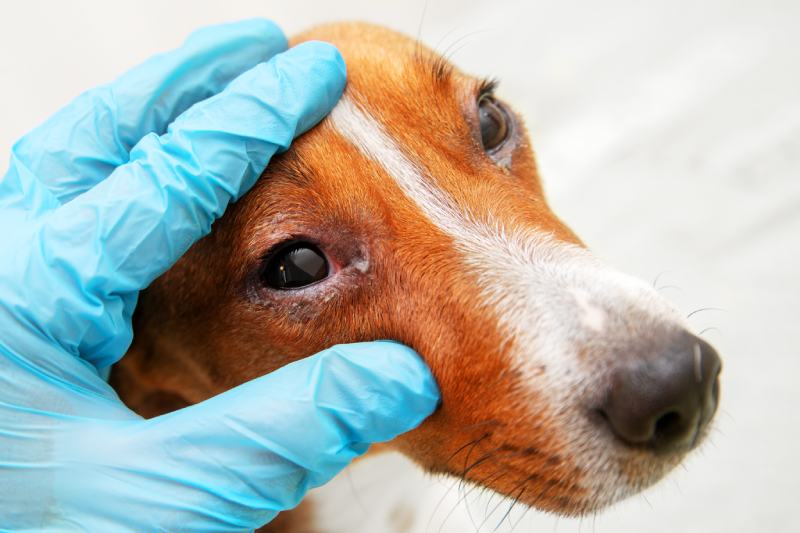
Conjunctivitis refers to inflammation of the conjunctiva – the thin, moist tissue that covers the front of the eye and lines the eyelids. It‘s a common eye issue in dogs that can affect one or both eyes. The hallmark signs of conjunctivitis are red, swollen eyes with discharge that may be clear, cloudy, yellow, or green. Your dog may also squint, blink excessively, paw at their eyes, or keep them shut due to discomfort.
While conjunctivitis itself is not considered life-threatening, it can be quite irritating for your pup. It may also be a sign of an underlying issue that requires veterinary attention. According to a 2022 study, nearly 20% of dogs will experience at least one episode of conjunctivitis in their lifetime, with breeds like bulldogs, cocker spaniels, and poodles at higher risk.
Is Conjunctivitis Contagious in Dogs?
The answer is – it depends on the underlying cause. Conjunctivitis in dogs can stem from many different sources, some of which are contagious and some of which are not.
Infectious conjunctivitis is highly contagious between dogs. It can spread via direct contact with an infected dog or through exposure to respiratory droplets from coughing, sneezing, or barking. Shared objects like food and water bowls, toys, and bedding can also harbor infectious agents and transmit conjunctivitis between dogs.
The most common culprits behind contagious conjunctivitis are:
-
Viruses – Canine distemper virus, canine herpesvirus, canine influenza, and canine adenovirus type 2 can all cause conjunctivitis as part of a multisystemic infection. These viruses are very contagious between dogs but not transmissible to humans.
-
Bacteria – Secondary bacterial infections often go hand-in-hand with viral conjunctivitis. Streptococcus and Staphylococcus bacteria are common offenders. Some of these bacteria could potentially spread to humans.
-
Parasites – While rare in North America, the Thelazia californiensis eyeworm can be found in dogs‘ eyes and cause conjunctivitis. This parasite is transmitted by flies and not directly contagious between dogs or zoonotic to people.
On the other hand, non-infectious conjunctivitis is not contagious at all. Frequent causes of non-contagious conjunctivitis include:
- Allergies – Seasonal pollens, dust, fragrances, smoke, shampoos
- Irritants – Wind, sand, chemicals, foreign objects in the eye
- Trauma – Scratches, cuts, or blunt eye injuries
- Dry eye – Inadequate tear production leading to eye irritation
- Anatomic abnormalities – Rolled-in eyelids, eyelashes rubbing the eye
- Tumors – Growths on the eyelids or surface of the eye
Dr. Kathryn Wotman, a board-certified veterinary ophthalmologist, states, "Not all red, weepy eyes are infectious. If your dog‘s conjunctivitis is not improving within a few days of starting treatment, it‘s crucial to follow up with your vet to determine if a non-contagious underlying cause is to blame."
Preventing the Spread of Contagious Conjunctivitis
If your dog is diagnosed with infectious conjunctivitis, you‘ll need to take steps to prevent it from spreading to your other pets:
-
Isolate the infected dog. Keep them separated from other pets in the household, especially those that are unvaccinated or immunocompromised.
-
Practice good hygiene. Wash your hands thoroughly with soap and water after touching your infected dog. Wear gloves when cleaning their eyes or administering medication.
-
Disinfect shared items. Wash your dog‘s bedding, bowls, and toys with hot, soapy water. Consider using separate items for each pet until the infection clears.
-
Vaccinate your dogs. While not 100% preventative, vaccines against distemper, adenovirus, and influenza reduce the risk of your dog contracting these illnesses and developing conjunctivitis as a result.
Angie, a dog owner whose two pups came down with conjunctivitis, shares, "I felt awful when my dogs got pink eye after staying at a boarding facility. I had to keep them apart for weeks! Lots of cleaning and separate TLC helped get the infection under control."
Treating Conjunctivitis in Dogs
Mild cases of conjunctivitis may resolve on their own within a week. However, if your dog‘s eyes are extremely red, painful, or worsening after 2-3 days, or if other symptoms like fever, lethargy, or a decreased appetite are present, it‘s best to consult your vet.
Your veterinarian will perform an eye exam and likely take samples to check for infectious agents under the microscope. The appropriate treatment will depend on the underlying cause of your dog‘s conjunctivitis:
-
Viral conjunctivitis: Typically managed with supportive care like eye rinses, artificial tears, and pain medication as there is no specific anti-viral treatment. Antibiotics may also be prescribed to prevent secondary bacterial infection.
-
Bacterial conjunctivitis: Treated with topical antibiotic drops or ointment applied directly to the eyes for 10-14 days. Oral antibiotics may be used for more severe infections.
-
Parasitic conjunctivitis: Requires mechanical removal of the worms from the eyes under sedation and anti-parasitic medications to address remaining larvae.
-
Allergic conjunctivitis: Benefits from avoiding the allergen if possible and using topical anti-inflammatory eye drops to control symptoms.
-
Other non-infectious conjunctivitis: May improve by treating the underlying condition, such as inserting plugs for dry eye, surgically correcting eyelid abnormalities, or removing irritating eyelashes.
Faithfully following your vet‘s treatment plan and keeping up with any recheck appointments will offer your dog the best chance at making a full recovery.
At-Home Care
In addition to any prescribed treatments, there are ways you can soothe your dog‘s irritated eyes and keep them clean at home:
-
Gently wipe away eye discharge using a clean, damp cloth or cotton ball. Always wipe from the inner eye outwards, using a fresh cloth or cotton ball for each eye.
-
Apply a warm compress to the eyes for 5 minutes, 2-3 times daily. This increases circulation, reduces inflammation, and helps loosen crusted-on debris.
-
Trim hair away from your dog‘s eyes to prevent further irritation, or use a sterile lubricating eye ointment to keep hairs in place.
-
Ensure your dog rests in a calm environment away from wind, dust, and smoke that could aggravate their condition.
-
Prevent your dog from rubbing or scratching at their eyes by using an Elizabethan collar (cone) as needed.
Dr. Wotman advises, "With proper at-home care and compliance with medications, most cases of infectious conjunctivitis will clear up within 1-2 weeks. Notify your vet if you‘re not seeing improvement in that timeframe."
When Conjunctivitis is a Cause for Concern
It‘s important to remember that conjunctivitis can occasionally be a sign of a more serious underlying eye disease, such as:
- Corneal ulcers – Open sores on the surface of the eye
- Uveitis – Inflammation within the eye
- Glaucoma – Increased pressure inside the eye
These conditions are emergencies that require swift treatment to prevent permanent blindness. Visit your veterinarian immediately if your dog is exhibiting significant eye pain (excessive squinting, tearing, or sensitivity to light), a cloudy cornea, or a change in pupil size, in addition to a red or swollen eye.
Don‘t Let Contagious Conjunctivitis Run Rampant
Infectious conjunctivitis can quickly spread between dogs if not promptly addressed. Knowing the signs to look out for, when to contact your vet, and how to prevent transmission to other pets are key to keeping all the canines in your crew seeing clearly. With appropriate treatment and TLC, your dog will be winking at you again in no time!






)