
Rough and Tough: A Dog Lover‘s Guide to Hyperkeratosis
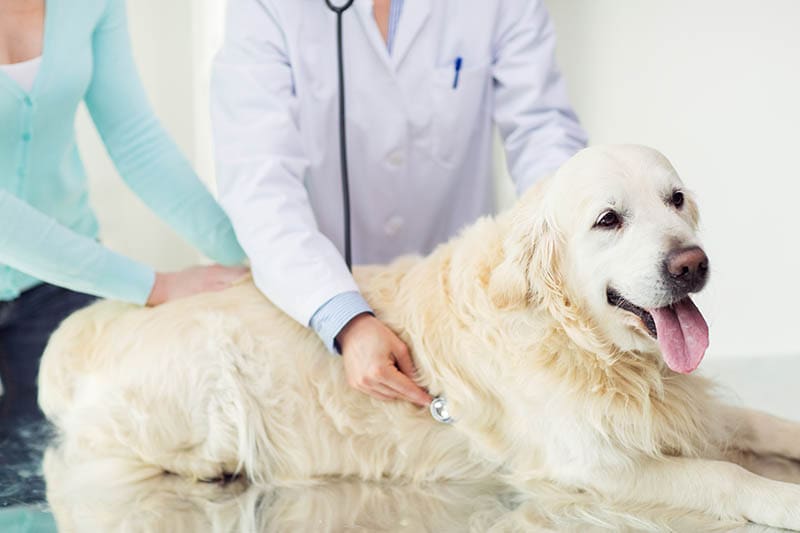
As a lifelong dog lover and veterinarian, I know firsthand how concerning it can be to find any abnormality in your furry friend‘s skin. Recently, I had a patient named Max, a charming 10-year-old Labrador Retriever, whose devoted owner brought him in with thick, calloused, cracking paw pads and nasal skin. Max was diagnosed with a condition called hyperkeratosis, and his case inspired me to share a comprehensive guide to help other dog lovers understand and manage this tough skin problem.
What is Hyperkeratosis in Dogs?
Hyperkeratosis refers to a thickening of the top layer of the skin due to excessive production of keratin, a sturdy protein that makes up skin, hair and nails. In dogs, hyperkeratosis most often affects the nose and paw pads, causing them to appear thicker, rough, dry and cracked. Less commonly, other areas like the elbows and ears may also develop hyperkeratosis.
It‘s crucial to realize that hyperkeratosis is a clinical sign rather than a disease itself. Like a fever or a cough, hyperkeratosis tells us something is amiss, but we need to delve deeper to identify the underlying health issue. This is key to proper treatment.
Signs of Trouble: Recognizing Canine Hyperkeratosis
As a dog parent, you know your pup best. If you notice any of the following changes, your dog might be struggling with hyperkeratosis:
- Nose or paw pads feel rough, dry, and thickened
- Skin develops a crusty, calloused surface
- Affected areas may crack, fissure, or bleed
- Skin loses its normal color or pigmentation
- Your pup limps or avoids walking due to paw discomfort
- Excessive licking, chewing, or scratching at the nose or paws
Max‘s owner first noticed a change in his gait – he was walking gingerly and licking his paws more. On closer inspection, she saw his normally soft, supple paw pads had become thick, rough, and cracked. His nose had also developed a dry, crusty surface. These textbook signs prompted her to seek veterinary care.
If your furry friend shows any abnormal skin symptoms or discomfort, it‘s always best to have them checked out. Catching hyperkeratosis early allows for prompt treatment and relief.
By the Numbers: Hyperkeratosis Stats and Facts
How common is hyperkeratosis in our canine companions? Let‘s look at some key statistics:
-
Breed Prevalence: Some breeds have a higher incidence of inherited hyperkeratosis. Irish Terriers top the list at 40%, followed by Dogues de Bordeaux at 23%. Labradors and Bedlington Terriers are also predisposed. (Bauer et al., 2018)
-
Age of Onset: Hereditary forms of hyperkeratosis often manifest in young to middle-aged dogs. In one study of Irish Terriers, the median age of onset was 4 years. (Bauer et al., 2018)
-
Nasal vs Paw Pad Involvement: The nose and paw pads are the most frequent sites of hyperkeratosis in dogs. One case series found 80% of dogs had nasal lesions, 57% had paw pad thickening, and 37% had both. (Bauer et al., 2018)
While breed, age, and location stats give us clues about hyperkeratosis risk factors, any dog can develop this condition. Regular at-home paw and nose checks are a great way to find abnormalities early.
Why Does Hyperkeratosis Happen? Common Causes and Risk Factors
Several factors can trigger the skin‘s keratin-making cells to go into overdrive. Identifying the root cause guides effective treatment. The most common culprits include:
-
Inherited Disorders: Specific gene mutations have been linked to hyperkeratosis in several breeds. Dogs with these defects are born with a tendency to overproduce keratin.
-
Wear and Tear: Years of walking on rough surfaces and repeated pressure can cause paw pads and elbows to thicken and form calluses. This is more common in older dogs.
-
Nutrient Deficiencies: Not getting enough zinc or essential fatty acids can disrupt normal skin turnover, leading to excess keratin buildup. Growing puppies and northern breeds like Huskies are prone to zinc deficiency.
-
Infections: Canine distemper virus and Leishmaniasis parasites can infect the skin and trigger hyperkeratosis. Risk is higher for unvaccinated dogs or those in endemic areas.
-
Immune System Disorders: In pemphigus foliaceus, the immune system mistakenly attacks connections between skin cells, causing crusting and thickening. This is the top immune-mediated skin disease in dogs.
-
Systemic Diseases: Rarely, severe liver disease or pancreatic cancer can manifest with skin changes like hyperkeratosis. This is called hepatocutaneous syndrome.
As a vet, I consider a dog‘s breed, age, medical history, and overall health to determine the most likely triggers. Max‘s thick, calloused paw pads were likely due to a combination of years of walking on pavement and a possible fatty acid deficiency in his diet. Zeroing in on the "why" behind the hyperkeratosis guides my treatment plan.
Quality of Life: How Hyperkeratosis Impacts Dogs
Hyperkeratosis is more than a cosmetic issue – it can significantly impact a dog‘s comfort and function. Common troubles include:
-
Paw Pain: Thickened, fissured paw pads can make walking and running uncomfortable or even painful. Dogs may limp, avoid activity, or constantly lick their paws.
-
Nose Discomfort: Crusty nasal skin can interfere with a dog‘s keen sense of smell. They may paw at their nose or rub it on surfaces.
-
Infection Risk: Cracks in the skin barrier allow bacteria to invade, leading to secondary infections. These can cause swelling, discharge, odor, and pain.
-
Reduced Mobility: If paw pad hyperkeratosis is severe, dogs may become reluctant to walk, play, or climb stairs. This can lead to weight gain and muscle loss.
For Max, his thick paw pads made his daily walks difficult. He started to avoid his favorite hiking trails and even grew hesitant to climb the stairs at home. Treating his hyperkeratosis not only restored his skin health but also his joy in staying active. Never underestimate the impact of healthy skin and paws on a dog‘s happiness!
Contagion Concerns: Can You Catch Hyperkeratosis from Your Dog?
Dog lovers can breathe easy – hyperkeratosis itself is not contagious to humans or other pets. The thickened skin is not transmissible through touch or shared environment. You can snuggle your rough-pawed pup without worries.
However, there is one exception to note. If an infectious disease like canine distemper virus is causing the hyperkeratosis, the underlying virus can potentially spread from dog to dog, especially if unvaccinated. The good news? Canine distemper is not zoonotic, meaning it cannot jump to human hosts. According to the American Veterinary Medical Association, canine distemper virus exclusively infects dogs and some wild carnivores, never humans.
For the other causes of hyperkeratosis like hereditary conditions, autoimmune disorders, or metabolic diseases, there is no risk of spread to either humans or other dogs. Nonetheless, any change in your dog‘s skin warrants a vet check to identify the underlying problem and start appropriate care.
Diagnosing Doggy Hyperkeratosis: What to Expect at the Vet
When Max came into my clinic with his thickened paw pads and crusty nose, I followed a thorough diagnostic approach:
-
Physical Exam: I checked Max‘s skin from nose to tail, noting the location, appearance, and texture of his hyperkeratosis lesions. I also assessed his overall health and looked for signs of systemic illness.
-
Detailed History: I asked Max‘s owner about his diet, environment, lifestyle, and any other symptoms she had noticed. Certain breed tendencies or recent illnesses can point to particular causes.
-
Skin Diagnostics: To check for infections or mites, I gently scraped Max‘s skin and examined the samples under the microscope. I also performed an impression smear to look for abnormal skin cells.
-
Biopsy: For more advanced cases or if an autoimmune or cancerous process is suspected, a skin biopsy provides a definitive diagnosis. Max‘s hyperkeratosis was caught early and didn‘t require this step.
-
Blood Tests: I ran a complete blood count and chemistry panel to evaluate Max‘s organ function and check for underlying metabolic diseases or nutrient deficiencies. His results showed mildly low fatty acids.
-
Imaging: If systemic illness is a concern, x-rays or an abdominal ultrasound may be warranted to assess the liver, pancreas, and other internal organs. Max‘s focally thickened paw pads and normal bloodwork did not necessitate imaging.
With the exam findings, history, and test results, I determined Max‘s hyperkeratosis was likely due to a combination of chronic paw pad pressure and a mild fatty acid deficiency. This diagnosis guided my treatment plan to restore his skin health.
Treating Tough Skin: A Multimodal Approach
Successful hyperkeratosis treatment addresses both the skin lesions and the underlying cause. For Max, I recommended the following:
-
Paw Pad Care: Applying a pet-safe, emollient balm to Max‘s paw pads twice daily would help soften and moisturize the skin. I also advised using booties or paw wax on walks to cushion his feet.
-
Dietary Modification: Adding a veterinary omega-3 fatty acid supplement to Max‘s food would help nourish his skin from the inside out. Ensuring an adequate zinc intake was also key.
-
Environmental Management: I suggested placing soft, padded mats in Max‘s favorite resting spots to reduce pressure on his paw pads.
-
Infection Prevention: Washing Max‘s paws daily with a gentle, antimicrobial shampoo would help prevent bacterial or yeast overgrowth in any skin fissures.
In more severe or complex hyperkeratosis cases, additional therapies may include:
- Keratolytic products to break down excess keratin
- Oral or topical antibiotics to treat secondary infections
- Anti-inflammatory medications to reduce skin irritation
- Immunomodulatory drugs for autoimmune disorders
- Surgery for discrete paw pad calluses or cancerous lesions
According to veterinary dermatologist Dr. Christine Cain, "Successful hyperkeratosis management relies on a partnership between pet owners and their vet. Consistent at-home care combined with regular check-ups to monitor progress and adjust the treatment plan as needed is key."
With this comprehensive approach tailored to Max‘s needs, his nose and paw pads soon returned to a healthy, supple state. His owner‘s dedicated care and our close communication were integral to his recovery.
Preventing Future Paw and Nose Woes
For dogs prone to hyperkeratosis, proactive care can help keep skin and paws healthy:
-
Regular Paw Checks: Inspect your dog‘s paw pads and nose weekly for any thickening, cracking, or discoloration. Catching changes early allows for prompt treatment.
-
Paw Protection: Use paw waxes or booties to shield paw pads from rough or hot surfaces. Avoid prolonged contact with harsh chemicals or de-icing salts.
-
Moisturize: Apply a pet-safe, veterinary-recommended balm to your dog‘s paw pads and nasal skin a few times a week to maintain moisture and suppleness.
-
Optimize Nutrition: Feed a balanced, high-quality diet with adequate zinc and fatty acids for skin health. Consult your vet about the best food and supplements for your dog‘s needs.
-
Avoid Trauma: Protect your pup‘s nose and paws from excessive friction or pressure. Provide soft bedding and limit exposure to rough play or environments.
-
Keep Up with Care: If your dog has a history of hyperkeratosis, maintain the topical skincare and supplements even after the lesions resolve. This can prevent or delay recurrence.
For dogs with inherited forms of hyperkeratosis, ongoing management is often necessary. Partnering closely with a veterinary dermatologist can ensure your dog‘s treatment plan evolves with their needs over time.
Tough Skin, Tender Love
Living with a dog with hyperkeratosis can feel daunting, but with knowledge, commitment, and a little creativity, you can help your furry friend live a joyful, comfortable life. Max‘s case reminded me that no matter how tough a dog‘s skin gets, our tender love and care can make all the difference.
If you notice any abnormalities in your dog‘s skin or paws, don‘t hesitate to seek veterinary guidance. From crusty noses to calloused paw pads, hyperkeratosis is a manageable condition with the right approach and a dedicated care team.
As a vet, dog lover, and pet parent myself, I know the profound bond we share with our canine companions. By staying attuned to their needs, seeking prompt care for any concerns, and showering them with love and affection, we can give them the happy, healthy lives they so deserve. Here‘s to many more joyful walks and snuggles with your furry friend!


