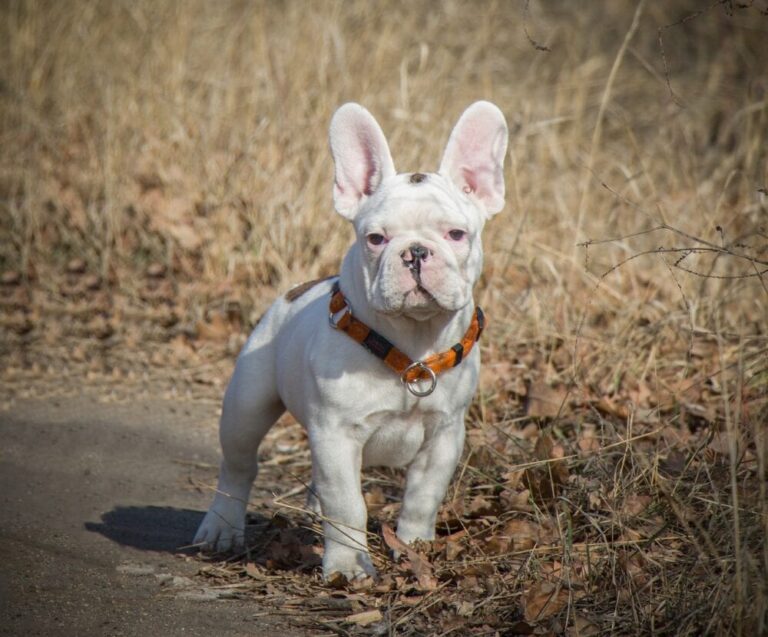
Coton de Tulear vs Havanese: An In-Depth Comparison

At first glance, the Coton de Tulear and Havanese dog breeds appear quite similar – both are small, fluffy companion dogs with friendly personalities. However, when you examine the details, some key differences emerge that may make one breed a better fit for your lifestyle and family than the other. In this comprehensive comparison, we‘ll take a close look at the Coton de Tulear and Havanese across multiple factors including appearance, temperament, grooming, trainability, health, and more. By the end, you‘ll have a clear picture of how these charming breeds stack up.
Breed History and Origins
Both the Coton de Tulear and Havanese trace their roots back to the Bichon family of dogs, but their paths diverged as they developed uniquely in different parts of the world.
The Coton de Tulear hails from Madagascar off the southeast coast of Africa. The breed‘s name comes from the city of Tulear and the French word "coton" meaning cotton, referring to the dog‘s soft, fluffy white coat. Legend has it that Cotons survived a shipwreck and made it to shore on Madagascar, where they evolved in isolation over the centuries. They were beloved as companions to the island‘s nobles and wealthy classes.
The Coton de Tulear remained relatively unknown to the outside world until the 1970s. A Frenchman visiting Madagascar became enamored with the breed and worked to establish them in Europe and eventually North America. While still a fairly rare breed, Cotons have grown in popularity as family pets thanks to their charming looks and personality.
Meanwhile, the Havanese developed in Cuba as a lap dog to the aristocracy, getting its name from the nation‘s capital city of Havana. It‘s believed that Bichon-type dogs came over with Spanish colonists and traders in the 1600s-1800s. Over generations of selective breeding on the island, the modern Havanese emerged.
Political upheaval and closed borders kept the Havanese isolated in Cuba until refugees emigrated to the United States in the late 1950s, bringing a small number of the dogs with them. Dedicated breeders have since worked to re-establish and promote the Havanese, which is now a popular companion breed around the world.
Appearance and Size
The Coton de Tulear and Havanese are similar in size – both are classified in the small dog breed group. However, the Coton tends to be slightly larger on average.
Coton de Tulear:
- Height: 9-11 inches
- Weight: 8-15 pounds
Havanese:
- Height: 8-11 inches
- Weight: 7-13 pounds
Both breeds have a small but sturdy build. Neither is especially delicate, despite their lapdog history. The Coton de Tulear is a little more square in proportion, while the Havanese is slightly longer than tall.
The head and facial features also have some differences when you look closely. Cotons have a shorter, triangular shaped head with a moderate stop and black nose. Their ears are small and hang down close to the head. The Havanese has a broader head with a flatter top, fuller cheeks, and a slightly tapered muzzle. The ears are higher set and fold over.
Coat and Grooming
Coats are a defining feature of both the Coton de Tulear and Havanese, but they‘re quite distinct from one another.
The Coton has a medium-long, fluffy, cottony textured coat. It‘s thick and soft, not silky or wavy. The hair grows continually and doesn‘t shed much, instead getting pushed out as new hair comes in. Cotons are always white, sometimes with a few shadings of light grey or fawn on the ears.
Havanese have a longer, silkier coat that doesn‘t stand away from the body quite like the Coton‘s. It‘s soft and lightweight with a slight wave. Unlike Cotons, Havanese come in a rainbow of colors including white, cream, gold, blue, silver, chocolate, and any combination thereof. The fur grows quite long and profuse if not trimmed regularly.
Both breeds require extensive grooming to keep their coats healthy and mat-free. Daily brushing and combing is a must. Many owners opt to keep their Coton or Havanese in a shorter "puppy cut" to make maintenance more manageable. Professional grooming every 4-6 weeks is recommended. Neither breed sheds much, but they‘re not considered hypoallergenic as no dog truly is.
Temperament and Personality
Bred as companion dogs, both Cotons and Havanese are renowned for their friendly, affectionate personalities. They love nothing more than being with their people and participating in family activities. Both make delightful lap dogs but also have a playful, clownish side.
Coton de Tulears are known for being happy, lighthearted dogs that charm everyone they meet. They‘re naturally social and get along well with strangers, kids, and other dogs. Cotons love to play and romp, often entertaining themselves when toys or open space. They can be a little mischievous at times with a twinkle of humor in their eyes.
Similarly, Havanese are cheerful, outgoing, and adaptable dogs. They tend to be very gentle and are especially patient with children, making excellent family pets. Havanese are quite active and boisterous as puppies but usually mellow out to a calmer demeanor with age. They can be a little more alert and wary with strangers compared to Cotons.
Neither breed likes to be left alone for long stretches. They can develop separation anxiety and destructive behaviors if not given enough companionship and attention. Cotons and Havanese do well in all kinds of households, including apartments, as long as they get adequate exercise and mental stimulation.
Trainability and Intelligence
As companion dogs bred for centuries to be responsive to their humans, both Coton de Tulears and Havanese are bright and highly trainable. They pick up basic obedience commands and household rules with ease, especially if training begins early and uses positive reinforcement.
The Coton de Tulear has an eager-to-please personality that loves making its owner happy. They can be sensitive to harsh corrections, so gentle methods and lots of praise work best. Cotons excel at learning tricks and performing on command, hinting at their circus dog heritage. They tend to be inquisitive and will investigate anything new or unfamiliar.
Havanese are also very attentive to their owners and can be trained to a high level in obedience, tricks, therapy work, and even some dog sports. Their intelligence means they need varied, challenging activities to prevent boredom. Havanese can have a bit of a stubborn streak and may selectively ignore commands if they have something else in mind. Consistency and creativity in training yield the best results.
Socialization from a young age is important for both breeds to ensure they‘re comfortable and relaxed in all kinds of situations later on. Ongoing training throughout their life provides necessary mental exercise for these smart dogs. Teaching special skills like waving, rolling over, and stacking toys will challenge their brains while building an even stronger owner bond.
Exercise Needs
Despite their small size, the Coton de Tulear and Havanese are both active dogs that need regular exercise to stay fit and happy. They have moderate energy levels – more than a typical lapdog but less than the high drive of a sporting or herding breed.
Coton de Tulears need an average of 30-60 minutes of physical activity per day. They love going on walks and exploring the yard or neighborhood. Cotons also enjoy romping and games of fetch with their owners. Access to open space where they can run a few times a day helps them burn off steam.
Havanese have slightly higher exercise needs, benefitting from 45-80 minutes of activity each day. They‘re enthusiastic walking buddies and make great companions for active families. Many Havanese participate in canine sports like rally, agility, and flyball. Mental stimulation through puzzle toys and interactive play is also important.
Both breeds can adapt well to various living situations as long as they receive enough physical and mental exercise. A fenced yard is not required but can be helpful. Cotons and Havanese should not be left outside unsupervised for prolonged periods. They‘re indoor dogs that want to spend most of their time with the family.
Health and Lifespan
As with any purebred dog, the Coton de Tulear and Havanese are prone to certain hereditary health issues. Responsible breeders screen for these conditions in their lines and don‘t breed affected dogs. Purchasing a puppy from a reputable source and maintaining preventive care throughout their life supports the healthiest outcomes.
Some health concerns seen in Cotons include luxating patellas (loose kneecaps), hip dysplasia, eye disorders like progressive retinal atrophy, heart problems, and hypothyroidism.
For Havanese, potential issues are hip dysplasia, patellar luxation, thyroid dysfunction, deafness, and eye diseases like cataracts and retinal dysplasia.
Overall, both breeds tend to be healthy and long-lived. The average lifespan for a Coton de Tulear is 14-16 years. For a Havanese, life expectancy is around 13-15 years. Regular vet visits, staying up to date on preventive care, feeding a quality diet, and getting adequate exercise all help promote a long and healthy life.
Family Suitability
Coton de Tulears and Havanese make excellent family pets thanks to their friendly, adaptable, affectionate personalities. They get along well with children of all ages and typically do well with other dogs and pets in the household too. Their small size suits them to any kind of living arrangement, from apartments to larger homes.
Cotons and Havanese can fit into a variety of lifestyles as long as owners are prepared to meet their grooming and exercise needs. They don‘t need a huge amount of space but do require daily activity and interaction. Families should also consider the time and budget required for regular professional grooming.
For homes with young children, the Havanese may be the slightly better choice. They tend to be a bit sturdier and more forgiving as playmates compared to the smaller Cotons. Any interactions between dogs and kids should be supervised, of course, and children taught to treat the dog gently and with respect.
Retirees and empty-nesters often find the Coton de Tulear and Havanese to be ideal companions thanks to their portability and devotion. They‘re content to cuddle on the couch but also always up for an adventure, whether that‘s running errands or going on a road trip. Again, the Havanese may have a slight edge for being more robust and adaptable to unpredictable schedules and environments.
Cost and Availability
Neither the Coton de Tulear nor Havanese is especially common or affordable. As purebreds that are challenging to breed and still fairly rare, they command a premium price.
The average cost for a Coton de Tulear puppy from a reputable breeder is $2,000 – $3,000, with some show-quality dogs going for even more. Havanese puppies typically cost between $1,200 – $1,800.
For both breeds, be very wary of any breeder offering dogs for significantly less. They‘re likely cutting corners on health testing, early care and socialization. Adopting from a breed-specific rescue is another great option for giving a Coton or Havanese a loving home. Retirees and older adults may be able to find well-trained, calmer adult dogs this way too.
Don‘t forget to consider ongoing expenses as well. Grooming costs, food, vet care, and other supplies for little dogs with big coats can add up. Proper care requires a substantial investment of both money and time over these breeds‘ long lifespans.
Final Thoughts
The Coton de Tulear and Havanese are two charming small companion breeds with a lot in common. They share a sweet, friendly, adaptable nature and big personalities in compact packages. Both require extensive grooming and bond very closely to their people.
While similar in many ways, the breeds have some distinctions that may influence which is the best fit for you. Cotons have a unique cottony coat in all white, while Havanese sport many colors in a silkier texture. Havanese are slightly more robust and higher energy, potentially making them the better choice for families with young kids or active lifestyles. Cotons can be a little gentler and more sensitive.
Ultimately, both breeds make wonderful companions for a wide range of households. Choosing between a Coton de Tulear and Havanese comes down to your aesthetic preference, lifestyle, and individual dog‘s personality. Meeting several adult dogs and reputable breeders can help you make this important decision. With proper care and lots of love, you‘ll enjoy many happy years with your new canine best friend, whichever breed you decide on.