Bichon Poo: The Ultimate Guide to This Adorable Bichon Frise Poodle Mix
Are you looking for a charming, low-shedding companion dog that‘s as cuddly as a teddy bear? Look no further than the Bichon Poo! This adorable cross between a Bichon Frise and Poodle has been melting hearts since the 1990s with their affectionate, playful personalities. Whether you live in an apartment or a big house with a yard, the adaptable Bichon Poo can be an ideal furry friend.
As a veterinarian, I‘m always excited to talk to prospective dog owners about the Bichon Poo. While no dog is perfect for everyone, this fluffy little breed has so many wonderful qualities – they‘re intelligent, social, and tend to get along well with kids and other dogs. At the same time, there are a few important things to know about their health, grooming, and exercise needs before bringing one home.
In this ultimate guide, I‘ll share my professional knowledge and personal insights to help you decide if a Bichon Poo is the right dog for you. We‘ll cover everything from the breed‘s history and characteristics to training tips, common health issues, and more. By the end, you‘ll be equipped with the information you need to be an amazing Bichon Poo owner!
Breed Overview: Where Does the Bichon Poo Come From?
As you might guess from the name, the Bichon Poo is a relatively new "designer dog" mix between a Bichon Frise and a Poodle (usually a Miniature or Toy Poodle). The Bichon Poo emerged in the 1990s as Poodle crosses like Labradoodles and Goldendoodles started becoming popular.
Breeders aimed to create a small companion dog with the best traits of both parent breeds: the Bichon Frise‘s cheerful, affectionate nature and the Poodle‘s intelligence and low-shedding coat. The result was the sweet, smart, hypoallergenic Bichon Poo we know today!
Of course, as with any mixed breed, Bichon Poos can inherit a range of traits from their parents. In general, though, most Bichon Poos are:
- Small in size, weighing 8-20 pounds
- Social and outgoing with people
- Intelligent and eager to please
- Low-shedding with soft, curly coats
- Adaptable to many living situations
Since they‘re a newer mixed breed, Bichon Poos aren‘t recognized by major organizations like the American Kennel Club. However, the Designer Dogs Kennel Club does have breed standards for Bichon Poos – more on their appearance next.
What Does a Bichon Poo Look Like? Key Physical Characteristics
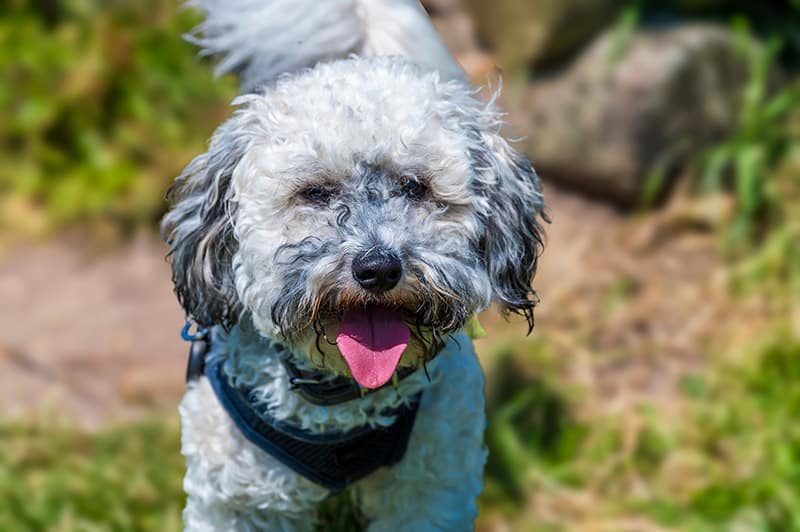
Picture a tiny, fluffy teddy bear – that‘s what many Bichon Poos look like! Of course, their exact appearance depends on which parent they take after more. In general, here‘s what you can expect in a Bichon Poo‘s physique:
Size and Proportions
Bichon Poos usually weigh between 8 and 20 pounds and stand 9 to 14 inches tall at the shoulder. They have a compact, sturdy build that‘s slightly longer than tall.
Weight can vary quite a bit depending on whether the Poodle parent was Miniature or Toy-sized. Mixing a Bichon with a Miniature Poodle will produce a dog on the larger side, while Toy Poodle mixes will be smaller. There‘s no size difference between male and female Bichon Poos on average.
Coat Type and Colors
True to their Poodle genes, Bichon Poos have coats that are curly or wavy in texture. Their hair is fine and soft rather than coarse or wiry. Most Bichon Poos have medium-long coats that grow continuously and may touch the ground if not trimmed regularly.
Accepted coat colors include:
- White
- Apricot
- Cream
- Gray
- Black
- Brown
Most Bichon Poos have solid-colored coats, though some may have white markings on the chest, face, or paws. In my experience, the majority are some shade of white or cream. You‘ll notice Bichon Poo puppies often have darker coloring that lightens by adulthood.
Other Physical Traits
Bichon Poos have adorably rounded heads with dark, inquisitive eyes and fluffy drop ears. Their muzzles are short and tapered – very teddy bear like! The nose is black.
The tail is another distinctive feature that‘s usually left long and untrimmed. It‘s carried jauntily over the back, adding to the breed‘s cheerful look.
Inside the Bichon Poo‘s Mind: Temperament and Personality Traits
Looks aside, it‘s the Bichon Poo‘s delightful temperament that really steals people‘s hearts. Most Bichon Poos are:
- Affectionate and cuddly, always eager to snuggle up next to you
- Social and outgoing, quick to make friends with new people
- Lively and playful, keeping their puppy-like spirit well into adulthood
- Intelligent and attentive, which makes training a breeze
Let‘s take a closer look at the breed‘s standout personality traits:
Loving Lap Dogs
First and foremost, Bichon Poos are devoted companion dogs who crave human interaction. They absolutely adore their owners and always want to be near them, whether that means curling up on the couch together or following them from room to room. Many Bichon Poos pick a favorite human to be their "person."
This breed‘s attachment to people is a double-edged sword. On one hand, Bichon Poos are total love bugs who will be overjoyed to see you every time you walk through the door. On the other hand, they can suffer from separation anxiety if left alone too often or for too long. Bichon Poos do best in households where someone is around for most of the day.
Outgoing Social Butterflies
Bichon Poos aren‘t just loving toward their families – they tend to be outgoing with everyone they meet. This is an extremely social breed that assumes every stranger is just a friend they haven‘t met yet. Most Bichon Poos will happily walk up to new people for petting and attention.
Of course, thorough socialization is still important for Bichon Poos, especially during the critical puppyhood window between 8 and 16 weeks old. Positive, gradual exposure to all kinds of people, animals, and environments will help your Bichon Poo grow up to be a confident, well-mannered dog.
Lively and Energetic
Don‘t let the small size fool you – Bichon Poos are lively little dogs with quite a bit of energy. They love to play games, go for walks, and have fun with their favorite humans. Regular exercise and mental stimulation are a must to prevent boredom or destructive behaviors.
That said, Bichon Poos aren‘t as high-energy as some breeds and can adapt well to apartment living as long as they get daily activity. Aim for at least 30 minutes of exercise per day, broken up into a couple walks and play sessions. Puzzle toys are another great way to engage this clever breed‘s mind.
Intelligent and Responsive
Like their Poodle parents, Bichon Poos are very intelligent dogs who pick up new commands quickly. They‘re also naturally inclined to be responsive and cooperative in order to please their humans. This makes them a joy to train, even for novice owners.
The key is to use positive reinforcement methods like praise, petting, and treats to encourage the behaviors you want. Bichon Poos can be sensitive, so avoid harsh corrections that may shut them down. Keep training sessions short and fun to play to this breed‘s strengths.
With consistent training and socialization, Bichon Poos can be wonderful canine citizens. Many even excel in dog sports like obedience and agility. Just be patient with housetraining, as small breeds often take longer to achieve full bladder control.
Bichon Poo Health and Care
With proper care, Bichon Poos generally live long, healthy lives averaging 12-15 years. Like all breeds, though, they can be prone to certain health issues. The most common problems seen in Bichon Poos include:
- Patellar luxation (slipping kneecaps)
- Dental disease
- Skin allergies
- Ear infections
- Eye problems like cataracts or tear duct disorders
To stack the odds in your favor, choose a Bichon Poo puppy from a reputable breeder who health tests breeding stock for issues like hip dysplasia, eye disease, and cardiac problems. Once your Bichon Poo comes home, focus on preventive care:
- Feed a high-quality small breed dog food
- Brush teeth daily or give dental chews
- Clean ears weekly to prevent infection
- Visit the vet regularly for wellness exams
- Keep vaccines and parasite prevention current
Grooming a Bichon Poo
Bichon Poos are often touted as "hypoallergenic" due to their Poodle heritage, but no dog is truly allergen-free. They are, however, very low-shedding and can be a good choice for most allergy sufferers.
To keep your Bichon Poo‘s coat looking its best, plan to brush at least 3 times a week, daily if possible. This helps remove loose hair and prevents painful mats from forming. Baths every 3-4 weeks with a gentle dog shampoo will also help keep the coat clean and healthy.
Trim your Bichon Poo‘s coat every 6-8 weeks, either at home or by a professional groomer. Many owners opt for a "puppy cut" that keeps the body short while leaving more length on the head and tail.
Other grooming needs include regular nail trims, ear cleaning, and tooth brushing. Start these habits early so your Bichon Poo learns to enjoy the pampering!
Is a Bichon Poo Right For You?
Now that you know all about the Bichon Poo‘s looks, personality, and health needs, it‘s time to decide whether this is the ideal breed for your lifestyle. A Bichon Poo may be a great fit for you if:
- You want a small, affectionate companion dog
- You prefer a low-shedding, hypoallergenic breed
- You live in an apartment or have limited space
- You‘re often at home or can bring your dog to work
- You enjoy teaching tricks and games
- You‘re willing to keep up with regular grooming
On the other hand, a Bichon Poo may not be the best choice if:
- You work long hours away from home
- You prefer a very laid-back, low-energy dog
- You don‘t have time for daily walks and playtime
- You want a guard dog or hunting companion
- You‘re looking for a completely non-shedding breed
- You‘re not willing to pay for regular grooming
Finding a Bichon Poo
If you‘ve decided a Bichon Poo is the perfect pooch for you, congratulations! You‘re in for years of love and laughter with your new best friend.
When looking for a Bichon Poo puppy, it‘s important to work with a reputable breeder who health tests breeding stock and raises litters in a clean, enriching environment. Expect to spend anywhere from $500 to over $1000 for a well-bred Bichon Poo puppy.
You can also check local animal shelters and rescue groups, as Bichon Poos sometimes end up in need of new homes. Adopting an adult dog can be very rewarding – many are already housetrained and have some obedience training under their belts.
Wherever your new addition comes from, get ready for plenty of joyful snuggles, playful romps, and heartwarming moments. With a Bichon Poo by your side, every day will be a little brighter!