The Symbiotic Relationship between AI and Business Analytics: Driving Data-Driven Decision Making
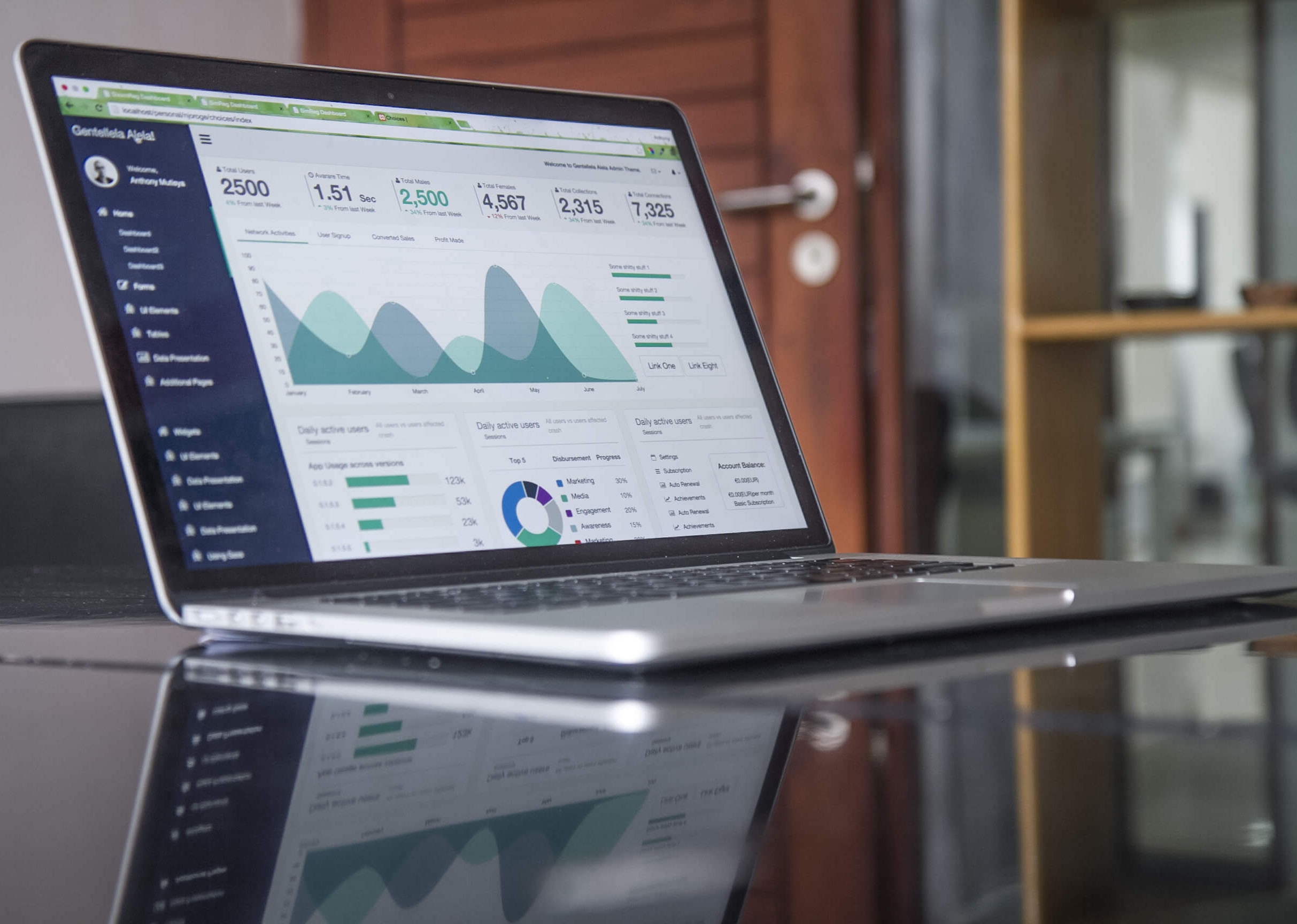
In the era of digital transformation, businesses are inundated with vast amounts of data from various sources. The challenge lies in effectively harnessing this data to derive meaningful insights and make informed decisions. This is where the powerful combination of Artificial Intelligence (AI) and Business Analytics comes into play. AI and Business Analytics have emerged as a dynamic duo, complementing each other to revolutionize the way organizations leverage data for competitive advantage.
The AI Revolution in Business Analytics
AI technologies have transformed the landscape of Business Analytics, enabling organizations to process and analyze massive volumes of data at an unprecedented scale and speed. According to a report by IDC, the global spending on AI systems is expected to reach $97.9 billion by 2023, with a compound annual growth rate (CAGR) of 28.4% from 2018 to 2023. This significant investment underscores the growing recognition of AI‘s potential to drive business value.
At the core of AI‘s impact on Business Analytics are various technologies and techniques, including:
-
Machine Learning: Machine Learning algorithms, such as supervised learning, unsupervised learning, and reinforcement learning, enable systems to learn from data and improve their performance over time. These algorithms can automatically identify patterns, make predictions, and optimize decision-making processes.
-
Deep Learning and Neural Networks: Deep Learning, a subset of Machine Learning, utilizes artificial neural networks to model complex relationships in data. Deep Learning has achieved remarkable success in areas such as image recognition, natural language processing, and predictive analytics.
-
Natural Language Processing (NLP): NLP technologies enable machines to understand, interpret, and generate human language. In Business Analytics, NLP is used for sentiment analysis, text mining, and chatbot interactions, allowing organizations to gain insights from unstructured data sources like customer reviews and social media posts.
-
Computer Vision: Computer Vision technologies enable machines to interpret and understand visual information from images and videos. In Business Analytics, Computer Vision is used for tasks such as product quality inspection, customer behavior analysis, and visual search.
These AI technologies, when integrated with Business Analytics, empower organizations to uncover hidden patterns, predict future trends, and make data-driven decisions with greater accuracy and efficiency.
Real-World Applications and Success Stories
The synergy between AI and Business Analytics has led to numerous successful applications across industries. Let‘s explore a few examples:
-
Customer Segmentation and Personalization: AI-powered clustering algorithms can analyze customer data to identify distinct segments based on behavior, preferences, and demographics. This enables businesses to tailor their marketing strategies, product recommendations, and customer experiences for each segment, resulting in higher customer satisfaction and loyalty.
For instance, Starbucks leverages AI and Business Analytics to personalize offers and recommendations for its customers. By analyzing customer data, including purchase history and preferences, Starbucks can deliver targeted promotions and suggest new products that align with individual tastes, leading to increased sales and customer engagement.
-
Predictive Maintenance in Manufacturing: AI algorithms can analyze sensor data from industrial equipment to predict potential failures and optimize maintenance schedules. By proactively identifying and addressing issues before they escalate, manufacturers can reduce downtime, minimize maintenance costs, and improve overall equipment effectiveness (OEE).
General Electric (GE) has implemented AI-driven predictive maintenance in its manufacturing operations. By leveraging machine learning algorithms to analyze sensor data from gas turbines, GE can predict potential failures weeks in advance, allowing for timely maintenance interventions. This has resulted in reduced unplanned downtime, increased equipment reliability, and significant cost savings.
-
Fraud Detection in Financial Services: AI techniques, such as anomaly detection and machine learning, can analyze transactional data in real-time to identify suspicious patterns and potential fraud. By detecting and preventing fraudulent activities early, financial institutions can mitigate risks, protect customers, and maintain the integrity of their systems.
JPMorgan Chase has successfully deployed AI-powered fraud detection systems. By leveraging machine learning algorithms to analyze vast amounts of transactional data, the bank can identify fraudulent activities with high accuracy. This has resulted in reduced fraud losses, enhanced customer trust, and improved operational efficiency.
-
Sentiment Analysis for Brand Monitoring: AI-powered sentiment analysis can process large volumes of textual data from social media, customer reviews, and online forums to gauge public opinion and sentiment towards a brand, product, or service. By monitoring sentiment in real-time, businesses can quickly identify and address potential issues, track the effectiveness of marketing campaigns, and make data-driven decisions to enhance brand reputation.
Coca-Cola utilizes AI and sentiment analysis to monitor brand perception across social media platforms. By analyzing millions of social media posts and conversations, Coca-Cola can understand consumer sentiment, identify trending topics, and adapt its marketing strategies accordingly. This has helped the company maintain a strong brand presence and effectively engage with its customers.
These examples demonstrate the tangible benefits and measurable impact of AI-driven Business Analytics across various industries.
Navigating the Challenges and Best Practices
While the potential of AI in Business Analytics is immense, organizations must navigate several challenges and adhere to best practices to ensure successful implementation:
-
Data Quality and Governance: AI algorithms heavily rely on the quality and integrity of the data they are trained on. Poor data quality, inconsistencies, and biases can lead to inaccurate insights and flawed decision-making. Organizations must establish robust data governance frameworks, ensuring data accuracy, completeness, and consistency across sources.
-
Choosing the Right AI Tools and Algorithms: With a plethora of AI tools and algorithms available, organizations must carefully select the ones that align with their specific business problems and data characteristics. It is crucial to understand the strengths and limitations of each algorithm and choose the most appropriate ones for the task at hand.
-
Collaboration between Domain Experts and Data Scientists: Effective implementation of AI in Business Analytics requires close collaboration between business domain experts and data scientists. Domain experts bring valuable insights into the business context and requirements, while data scientists contribute technical expertise in AI and data analysis. Fostering a collaborative environment and bridging the gap between business and technical teams is essential for success.
-
Ethical Considerations and Explainable AI: As AI becomes more prevalent in decision-making processes, organizations must address ethical considerations and ensure transparency and accountability. Explainable AI techniques, which provide clear explanations for AI-generated insights and decisions, are crucial for building trust and mitigating potential biases. Organizations should establish ethical guidelines and frameworks to govern the use of AI in Business Analytics.
By addressing these challenges and following best practices, organizations can harness the full potential of AI and Business Analytics while mitigating risks and ensuring responsible and trustworthy implementations.
The Future of AI and Business Analytics
As AI technologies continue to advance rapidly, the future of Business Analytics looks incredibly promising. Some key trends and potential developments include:
-
Explainable AI: There is a growing emphasis on developing AI algorithms that can provide clear explanations for their decisions and insights. Explainable AI enhances transparency, builds trust, and facilitates better collaboration between humans and machines in decision-making processes.
-
Augmented Analytics: Augmented Analytics takes Business Analytics to the next level by incorporating AI capabilities into the entire analytics workflow. From data preparation to insight generation and storytelling, AI automates and enhances each step, enabling faster and more accurate decision-making. Gartner predicts that by 2020, over 40% of data science tasks will be automated, thanks to Augmented Analytics.
-
Integration with Emerging Technologies: The integration of AI and Business Analytics with other emerging technologies, such as the Internet of Things (IoT), blockchain, and 5G networks, opens up new possibilities for data-driven innovation. IoT devices generate massive amounts of real-time data that can be analyzed using AI algorithms, enabling businesses to gain insights into operations, customer behavior, and product performance. Blockchain technology can provide secure and transparent data sharing and collaboration across organizations, while 5G networks enable faster data transmission and real-time analytics.
-
Continuous Learning and Experimentation: In a rapidly evolving business landscape, organizations must embrace a culture of continuous learning and experimentation. AI and Business Analytics enable businesses to constantly monitor and learn from data, adapting strategies and decision-making in real-time. By fostering a data-driven mindset, investing in upskilling and reskilling programs, and collaborating with academic institutions and research centers, organizations can stay at the forefront of AI and Business Analytics innovation.
As AI and Business Analytics continue to evolve and mature, organizations that can effectively harness their synergistic power will be well-positioned to gain a competitive edge, drive innovation, and achieve sustainable growth in the digital age.
Conclusion
The convergence of AI and Business Analytics represents a transformative force in the world of data-driven decision making. By leveraging AI technologies, such as Machine Learning, Deep Learning, Natural Language Processing, and Computer Vision, organizations can unlock the true potential of their data assets and gain unparalleled insights.
The synergistic relationship between AI and Business Analytics enables businesses to automate complex analysis tasks, uncover hidden patterns, predict future trends, and make accurate and timely decisions. Real-world success stories across industries demonstrate the measurable impact and ROI of AI-driven Business Analytics, from personalized customer experiences to optimized operations and risk mitigation.
However, to fully realize the benefits of AI in Business Analytics, organizations must navigate challenges related to data quality, algorithm selection, team collaboration, and ethical considerations. By following best practices and investing in the right skills and talent development, businesses can overcome these hurdles and build a strong foundation for AI-driven decision making.
As we look towards the future, the potential of AI and Business Analytics knows no bounds. With the rapid advancements in AI technologies, the integration with emerging technologies, and the growing emphasis on explainable and ethical AI, the landscape of Business Analytics is poised for significant disruption and transformation.
Organizations that embrace the symbiotic relationship between AI and Business Analytics, foster a data-driven culture, and continuously innovate and experiment will be the ones to thrive in the era of intelligent decision making. The journey towards AI-powered Business Analytics is not just a trend, but a strategic imperative for businesses seeking to compete and succeed in the digital age.