
Do Newfoundland Dogs Like Water & How Well Can They Swim? Facts & FAQ
Do Newfoundland Dogs Like Water? Everything You Need to Know
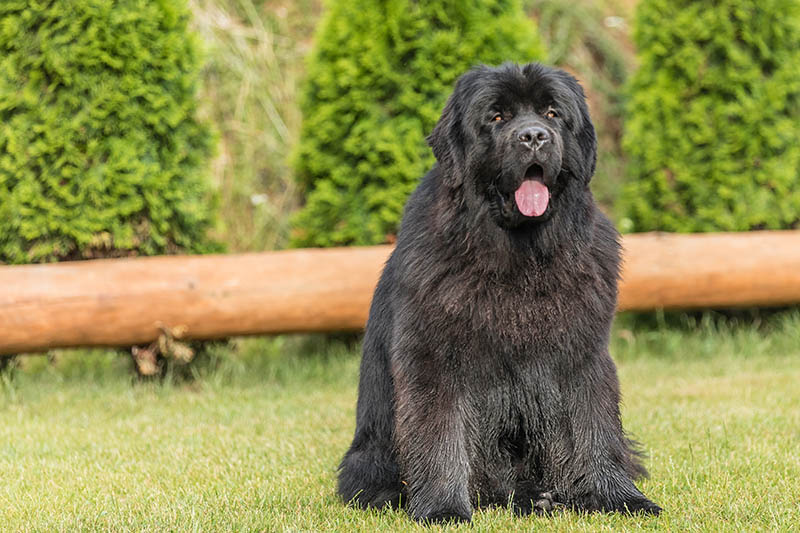
Newfoundland dogs are often referred to as "gentle giants" due to their large size yet sweet, calm disposition. But did you know these majestic canines are also famous for their love of water? Thanks to their unique physical features and working history, Newfies are one of the most capable and enthusiastic swimming breeds.
Whether you‘re a prospective or current Newfoundland owner, it‘s important to understand this breed‘s special relationship with water. In this comprehensive guide, we‘ll dive into the many reasons Newfoundlands excel at and enjoy swimming, and share tips for safely introducing your Newfie to this fun activity.
About the Newfoundland Dog Breed
The Newfoundland originated in the Canadian province of the same name, where the breed served as an all-purpose working dog starting in the 18th century. Newfoundlands were employed by fishermen to pull heavy nets, haul wood from the forest, and most notably, act as water rescue dogs. Their immense strength, stamina, and natural swimming abilities made them invaluable partners.
The official breed standard describes the ideal Newfoundland as a "sweet-dispositioned, devoted companion" that is "dignified, gentle, and calm." Newfies are intelligent, friendly, and known for their patient, protective nature with children. Males typically weigh 130-150 pounds and stand 28 inches at the shoulder, while females average 100-120 pounds and 26 inches tall.
Do Newfoundlands Like Water?
The short answer is: yes, most Newfoundlands absolutely love water! Of course, as with any breed, each individual dog will have their own unique personality and preferences. But in general, Newfies have a strong affinity for swimming that is hard-wired thanks to generations of selective breeding.
Even as puppies, many Newfoundlands will instinctively start doggie paddling the moment they enter water. They seem to experience pure joy in pools, lakes, and oceans. Some Newfies even enjoy bobbing for ice cubes in their water bowls! Water play is a great source of exercise and enrichment for this sometimes lazy breed.
While not every single Newfoundland will adore swimming, a strong interest in water is very much the norm for the breed. If your Newfie seems nervous or hesitant around water, don‘t force the issue. Patience, encouragement, and training can help them feel more confident.
What Makes Newfoundlands Such Good Swimmers?
Several distinctive physical and behavioral traits combine to make Newfoundlands naturals in the water:
Physical Characteristics
At first glance, the Newfoundland‘s massive, heavy body seems better suited for lounging than swimming. But don‘t let appearances fool you! Newfies are more buoyant than you‘d expect thanks to their webbed feet, water-resistant double coat, and strong muscles.
Those big, webbed paws act like flippers to propel the Newfie powerfully through the water with each stroke. Meanwhile, Newfoundlands‘ muscular legs and broad chest provide plenty of stamina-building push.
The outer layer of the Newfoundland‘s trademark thick, fluffy coat is made up of long, coarse guard hairs that repel moisture. This water-resistant quality, combined with a downy undercoat for insulation, allows the breed to comfortably swim even in cold, rough ocean conditions without getting chilled or waterlogged.
Instincts and Temperament
In addition to physical prowess, Newfoundlands possess the courageous yet nurturing temperament required of a water rescue dog. Newfies have an inherent drive to save people (and other animals) in distress. There are countless stories of this breed springing into action to pull a swimmer to safety, whether trained for that purpose or not.
Fortunately, the Newfoundland‘s famously calm, friendly nature balances out these life-saving instincts. Newfies aren‘t prone to nervousness or aggression, so they can focus on their "mission" while projecting a sense of security to the rescue victim. And of course, that mellow attitude also makes Newfoundlands a pleasure to swim alongside just for fun.
Newfoundlands‘ Historical Role as Water Rescue Dogs
Newfoundlands began earning their reputation as skilled water rescue dogs in the early 1800s. At the time, the breed was commonly found aboard Canadian fishing boats, where they specialized in retrieving items (or people) that fell overboard and even towing small vessels to shore.
By the late 19th century, Newfoundlands were utilized around the world as water rescue dogs. They served with the Royal National Lifeboat Institution in England, the US Coast Guard, and lifeguard stations from the Jersey Shore to the French Riviera. Newfies‘ legacy of bravery is honored by numerous monuments and even two Canadian postage stamps.
Today, some Newfoundlands still work as search and rescue dogs on land and sea. The breed is eligible for water rescue dog titles through the Portuguese Water Dog Club of America. Newfies also participate in recreational dock diving and retrieving. But for most, swimming is simply a fun way to bond with their humans.
How to Introduce Your Newfoundland Puppy to Swimming
All dogs, even natural-born swimmers like Newfoundlands, can benefit from a structured introduction to water. The goal is to create a positive association with swimming and build your puppy‘s confidence at their own pace.
What age to start: Newfoundland puppies can typically begin getting acquainted with water around 8-12 weeks old, depending on their vaccination status and your vet‘s recommendation. It‘s best to wait until your pup has had their core vaccines before venturing beyond a backyard pool, as natural bodies of water can harbor bacteria and parasites.
Taking it slow: Begin by letting your puppy explore shallow water, like a baby pool or the gentle shoreline of a lake. Walk alongside them and offer plenty of praise and encouragement. Keep initial sessions brief – just a few minutes of splashing and wading at first. Over time, gradually progress to deeper water as your pup shows confidence.
Using positive reinforcement: Bring your Newfie‘s favorite floating toys and some high-value treats to make water play extra rewarding. If they seem nervous, avoid pushing them. The goal is for your puppy to form a happy association with water. Feel free to jump in and get wet with your pup – they may find your presence reassuring!
Supporting your dog in the water: Until your Newfoundland puppy gets the hang of swimming, support their belly with your arm or hands so they feel secure. You can also use a canine life jacket at first (more on that in a moment). Stay within an arm‘s reach in case your pup tires and needs help staying afloat.
With patience and positive training, your Newfoundland puppy can blossom into a confident, capable swimmer. Remember, every dog develops at their own pace. Be respectful of your individual pup‘s comfort level and personality. Never throw a puppy or unsure dog into deep water and expect them to swim – this is a recipe for creating a fearful, lasting negative impression.
Water Safety Tips for Newfoundlands
Once your Newfoundland has mastered the dog paddle, you‘ll likely be spending lots of time in and around water together. As a responsible pet parent, always prioritize safety:
Close supervision: Never leave your Newfoundland unattended near a body of water, even if they are a confident swimmer. Accidents and unexpected hazards can happen to any dog. Keep a close eye on your Newfie and stay within reach, especially in large bodies of water like lakes and oceans.
Stick to safe bodies of water: Avoid letting your Newfoundland swim in swift rivers, choppy surf, or other treacherous conditions. Seeking out dog-friendly beaches, lakes, and pools is best. Check the water temperature too – cold water (below 45°F) can pose a risk even to a hardy Newfoundland.
Don‘t force it if your dog is nervous: Let your Newfie progress at their own pace and never push them past their comfort zone. Rushing the introduction process can backfire and create a lifelong fear of water. If your Newfoundland seems anxious or resistant to swimming, consult a professional trainer for guidance.
Watch for signs of fatigue: Newfoundlands are strong, tireless swimmers, but every dog has their limits. Look out for excessive panting, disorientation, or frantic paddling – these can indicate your Newfie is getting worn out. Guide them to shore for a break and offer fresh water to prevent dehydration and drowning risks.
Rinse off after swimming: To keep your Newfoundland‘s magnificent coat in top shape, always rinse them thoroughly with clean water after a dip. This is especially important after swimming in saltwater or chemically-treated pools, which can dry out skin and fur. Dry your Newfie‘s ears carefully to prevent painful infections.
Does My Newfoundland Need a Life Jacket?
It may seem counterintuitive to put a life jacket on a water-loving, naturally talented swimmer like a Newfoundland. However, there are some situations where a canine life vest is a must for safety:
- Puppies under 6 months old who are still developing their strength and coordination
- Senior Newfies who may tire more easily
- Dogs with health conditions that affect stamina or buoyancy
- Boating trips, dock diving events, or other activities where your Newfie could fall into deep water
- Any time there are lots of other swimmers, strong currents, or other hazards
A well-fitting life jacket provides extra buoyancy and visibility for your Newfoundland. Choose a vest with a handle on top to make it easier to guide or lift your dog out of the water if needed. Let your Newfie get used to wearing their life jacket before swim season for a positive association.
Even strong swimmers like Newfoundlands can get into trouble in the water, so it‘s better to be safe than sorry. If you‘re unsure whether your Newfie needs a life vest for a particular activity, err on the side of caution or consult your veterinarian.
Fun Water Activities for Newfoundlands
Newfoundlands‘ athleticism and affinity for water opens up all sorts of possibilities for outdoor adventures you can enjoy together. Here are a few of the most popular activities for this breed:
Dock Diving: This fast-growing canine sport is a natural fit for many Newfoundlands. In dock diving, dogs compete to leap from a dock into a body of water, earning points for jump distance or height. While the most successful dock divers tend to be smaller, more compact breeds, some Newfies still post impressive results and have a blast trying.
Boating: With their large size and calm demeanor, Newfoundlands tend to make excellent first mates. Many Newfies love accompanying their humans on all sorts of boats, from kayaks to yachts. Just make sure your Newfie has a comfy place to lounge on board and is wearing a canine life jacket in case of choppy conditions.
Beach Trips: For Newfoundlands, a trip to the beach is like a dream vacation! Newfies will gleefully romp in the waves, dig in the sand, and soak up attention from beachgoers amazed by their size. Check regulations first as some beaches restrict large breeds. Visit at off-peak times to avoid crowds and heat.
Kayaking/Canoeing: Believe it or not, it is possible to kayak or canoe with a Newfoundland! Opt for a tandem kayak or a canoe with a wide, stable base. Take it slow at first and let your Newfie get used to balancing in a small boat. Keep a doggie life jacket and treats handy, and prepare to laugh as your big pup tries squeezing aboard!
Retrieving Games: Most Newfoundlands have a strong retrieving instinct and will happily play "fetch the floating toy" for hours. Try tossing a buoyant rubber toy or ball into a pool or lake and encouraging your Newfie to bring it back. This is great exercise and a chance for them to show off their swimming prowess.
Conclusion
There‘s no doubt that Newfoundland dogs are one of the most enthusiastic and capable swimming breeds around. These gentle giants were born to play and work in the water, thanks to their webbed feet, insulating double coat, and courageous yet even temperament.
While not every single Newfoundland will adore swimming, a strong affinity for water is definitely the norm. With patience, positive training, and appropriate safety precautions, Newfie owners can help their pups grow into confident swimmers and dock diving champs.
At the end of the day, the most important thing is spending quality time with your Newfoundland, in or out of the water. Whether it‘s a beach trip, a boating excursion, or just splashing around the pool, you‘ll make memories to last a lifetime with your sweet, majestic water dog. Just don‘t forget the doggie life jacket and some fluffy towels!


