Do Rottweilers Get Their Ears Cropped? A Dog Lover‘s Guide to This Powerful Breed

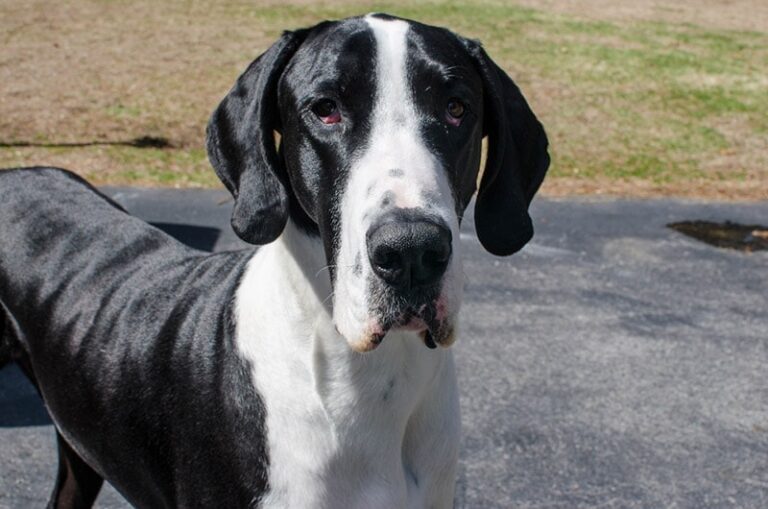
Rottweilers are one of the most recognizable and formidable dog breeds, known for their strength, loyalty, and protective nature. With their robust build, gleaming black coat with distinctive tan markings, and serious expressions, Rotties have an undeniable presence. One notable feature of this breed is their endearingly floppy drop ears. Unlike Doberman Pinschers, Great Danes, and other breeds frequently seen with erect cropped ears, Rottweilers sport natural ears as part of their official breed standard.
As a Rottweiler lover and veterinarian, I‘m often asked by prospective owners whether they should get their Rottie puppy‘s ears cropped to achieve a more intimidating look. My answer is always a resounding no – Rottweilers don‘t need cosmetic surgery to be excellent guardians and devoted companions. Let‘s dive into the history behind Rottweiler ears, the controversial practice of ear cropping, and why natural is the way to go for this magnificent breed.
The Rottweiler‘s Working Heritage
Rottweilers descend from ancient Roman drover dogs used to herd and protect cattle on long journeys across Europe. In the German town of Rottweil, the powerful dogs became renowned as the "Butcher‘s Dog" for their role in driving cattle to market and guarding their owners‘ money pouches tied around their necks.
As all-around working dogs, Rottweilers were prized for their strength, stamina, and keen senses. Their natural drop ears likely aided in their work by allowing them to better detect sounds and funnel scents while herding and tracking. Cropping Rottweilers‘ ears was not necessary for them to excel in their roles and could have even hindered their performance.
Over time, Rottweilers transitioned from herding to serving as police and military K9s, guard dogs, and family protectors. The breed standard developed in the early 20th century solidified the Rottweiler‘s signature look, including the medium-sized pendant ears that fold forward close to the cheeks. Ear cropping has never been part of the Rottweiler‘s tradition or conformation requirements.
What is Ear Cropping?
Ear cropping is an elective surgical procedure where a puppy‘s ears are cut, shaped, and splinted to achieve an upright ear carriage. The practice dates back centuries, primarily performed on ancient guard and fighting dogs. Historically, people believed cropping reduced the risk of ear injuries during confrontations and prevented assailants from grabbing the ears. Cropped ears became a distinctive look associated with certain breeds.
The modern ear cropping procedure is done by veterinarians while puppies are under general anesthesia, typically between 7 and 12 weeks old. The floppy part of the ear, or pinna, is trimmed and shaped according to the desired crop for the breed. The ears are then taped to a hard surface like cardboard to train them to stay upright as they heal over a period of several months.
Some commonly cropped breeds in the United States today include:
- Doberman Pinschers
- American Bully breeds (American Staffordshire Terriers, American Pit Bull Terriers)
- Great Danes
- Miniature Schnauzers
- Boxers
- Cane Corsos
How Many Dogs Get Their Ears Cropped?
Statistics on the prevalence of ear cropping are limited, as the practice is unregulated in the U.S. and reporting is voluntary. However, a 2008 survey by the American Veterinary Medical Association found that approximately 130,000 puppies undergo ear cropping in the U.S. each year. This figure only includes procedures performed by veterinarians, not any done by breeders or untrained individuals.
Among veterinarians surveyed, 55% indicated they perform ear crops, while 9% refer clients to other veterinarians for the procedure. Roughly 31% of respondents said they were seeing the same frequency of ear crop requests as in previous years, while 22% saw a decrease and only 5% an increase.
The Ear Cropping Debate
Ear cropping has become increasingly controversial in recent years. The American Veterinary Medical Association (AVMA) and Canadian Veterinary Medical Association oppose ear cropping and tail docking for cosmetic purposes and encourage the elimination of these alterations from breed standards. However, both organizations recognize ear cropping as an acceptable practice when performed by a licensed veterinarian with appropriate pain management.
Many animal welfare organizations consider ear cropping to be an unnecessary cosmetic procedure that causes pain and distress. The American Animal Hospital Association (AAHA) "opposes ear cropping and tail docking of dogs when done solely for cosmetic reasons" and "encourages eliminating ear cropping and tail docking from breed standards."
The American Kennel Club currently "recognizes that ear cropping, tail docking, and dewclaw removal, as described in certain breed standards, are acceptable practices integral to defining and preserving breed character and/or enhancing good health." However, the AKC states ear cropping and tail docking are not required for dogs to compete in events, even breeds where the procedures were traditionally performed. Dogs with natural ears and tails may participate in all AKC shows and events and are only judged based on the breed standard, not a preferred ear carriage.
Risks of Ear Cropping
Like any surgical procedure, ear cropping has inherent risks and potential complications, including:
- Adverse reactions to anesthesia
- Excessive bleeding during or after surgery
- Infection or opening of the surgical site
- Abnormal scar tissue formation
- Permanent hair loss around the ears
- Ears that fail to stand upright
- Increased sound sensitivity and skittishness
- Chronic ear pain or discomfort
Recovery from ear cropping surgery is a lengthy process that requires diligent aftercare by owners. The taped ears and sutures must be kept clean and dry until the incision heals, typically within 1-2 weeks. Puppies often need to wear an Elizabethan collar to prevent scratching or rubbing the ears during recovery. The ears then need to be re-taped and posted upright until they stand erect on their own, which can take several months. Some dogs‘ ears never fully stand and may require repeat surgery.
Impact of Ear Cropping on Hearing and Behavior
Dogs‘ natural ears play important roles in hearing, communication, and expression. Many veterinarians and animal behaviorists caution that altering the natural ear shape and structure can negatively impact a dog‘s ability to hear and interact normally.
A study published in the Journal of Veterinary Behavior found cropped puppies displayed significantly more avoidance behaviors, startling, and stress signals compared to uncropped puppies when approached by an unfamiliar person. The cropped puppies were also more likely to move away and less likely to approach in a sociability test. These findings suggest that ear cropping may increase sensitivity to sound and touch, leading to more fearful and defensive reactions.
Dogs also use ear position and movement to communicate with other dogs and humans. Erect cropped ears can impair a dog‘s ability to convey emotions and intentions through ear signals. For example, a dog with natural ears may display friendliness by pulling the ears back or aggression by drawing the ears forward. Cropped ears that are permanently upright limit this natural body language.
While there is no definitive evidence that cropped ears directly cause increased aggression in dogs, the procedure‘s historical association with dogfighting and guard dogs may contribute to negative public perception. In a 2016 study, participants rated photos of dogs with cropped ears as more aggressive, more dominant, less friendly, and less attractive than dogs with natural ears.
Why Rottweilers Don‘t Need Their Ears Cropped
For Rottweiler enthusiasts, the good news is that you don‘t need to choose between ear cropping and having a spectacular, capable example of the breed. Rottweilers are born with the natural drop ears that epitomize their breed standard and only enhance their noble, endearing appearance.
Rottweilers are powerful working dogs with an innate protective instinct and aloof demeanor towards strangers. Their muscular build, substantial bone, large head, and alert expression are more than enough to convey a sense of strength and generate respect. Rotties simply don‘t need the cosmetic alteration of cropped ears to be excellent guardians and deterrents.
As a veterinarian, I‘ve seen hundreds of Rottweilers over my career and can attest that their natural ears do not detract from their abilities as working dogs, competitors, or companion animals. Well-bred Rottweilers from established bloodlines have the intelligence, trainability, and temperament to succeed in any role with their natural ears intact.
Anecdotally, many Rottweiler owners report their dogs‘ expressive ears are one of their most endearing features. The ears perk up slightly when a Rottie is alert and lay back against the head when relaxed, adding to their soulful gaze. Rottweilers tend to be discerning in who they accept, but their teddy bear ears can soften their imposing demeanor once they warm up to you.
From a health perspective, there is no medical benefit to cropping a Rottweiler‘s ears. Rotties are not particularly prone to ear infections or injuries that would warrant preventive surgery. Leaving the ears natural also avoids the risks of complications from an unnecessary procedure and the challenges of caring for a healing puppy.
When considering adding a Rottweiler to your family, prioritize finding a responsible breeder who focuses on health, temperament, and conformation to the breed standard – not trendy cosmetic modifications. Rottweilers are slow to mature both physically and mentally, so it‘s crucial to invest in proper training and socialization from a young age. A well-bred, well-raised Rottweiler with natural ears is a confident canine companion like no other.
The Bottom Line on Rottweiler Ear Cropping
To summarize, ear cropping has never been part of the Rottweiler breed standard and is not expected or required for these majestic dogs to excel in any arena. Rottweilers developed as cattle drovers and all-around working dogs, roles where their natural drop ears did not hinder performance and may have even enhanced their senses. Today, Rottweilers continue to thrive as protectors, competitors, service animals, and beloved family guardians, all with their signature floppy ears.
Ear cropping in general is a controversial practice that is outlawed in many countries and opposed by major veterinary organizations in the United States. The procedure comes with risks of complications and requires substantial aftercare and healing time. Cropping also permanently alters a puppy‘s natural ear structure in a way that can impair hearing, communication, and expression.
For Rottweiler lovers, embracing the breed‘s natural ears is a way to honor their heritage and preserve their distinctive look and balanced temperament. A Rottie‘s soft, folded ears are part of what makes them both formidable guardians and affectionate companions capable of great discernment and loyalty.
As a veterinarian and lifelong dog devotee, I encourage prospective Rottweiler owners to appreciate the beauty and brawn these imposing dogs possess from the end of their noble heads to the tip of their wagging tails – no cosmetic crops required!