Does a Doberman Have Webbed Feet & Can They Swim? Facts & FAQ

Does a Doberman Have Webbed Feet & Can They Swim? Facts & FAQs
Introduction
If you‘re the proud owner of a Doberman Pinscher, you may have noticed their unique feet and wondered if they have webbing between their toes like some other breeds. You might also be curious about your Dobie‘s swimming abilities and whether it‘s a safe activity for them to engage in. We‘ll dive into the facts about Doberman feet, their swimming skills, and how you can help your pup enjoy the water safely. Let‘s get started!
Do Doberman Pinschers have webbed feet?
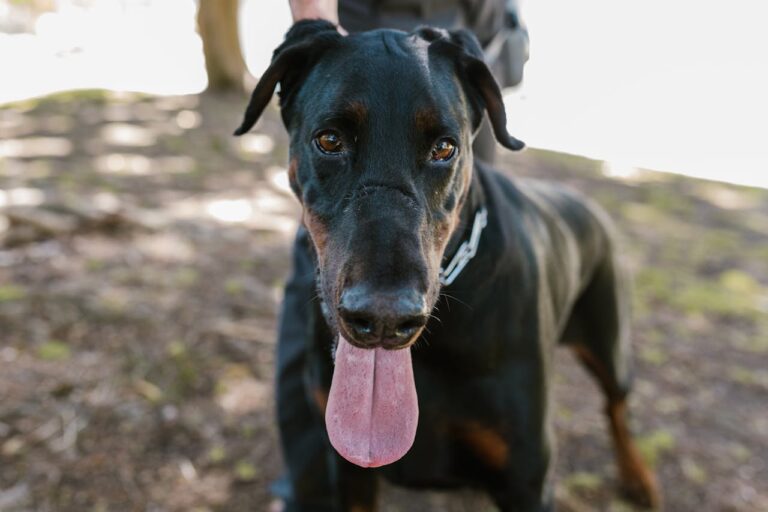
The short answer is no, Dobermans do not have webbed feet. Only a small handful of dog breeds, like Newfoundlands and Portuguese Water Dogs, have significant webbing between their toes to help make them strong swimmers. Doberman paws are compact and cat-like, with the usual toe and foot anatomy.
However, if you look closely, most Dobermans do have a tiny bit of extra skin between their toes – but this is very minimal and doesn‘t provide any functional advantage in the water. About 30% of Dobermans have this slight webbing, but 70% have totally normal, non-webbed feet.
So while your Dobie‘s feet may look unique, they aren‘t truly webbed like aquatic breeds and won‘t make them any better at swimming. But that doesn‘t mean Dobermans can‘t still enjoy the water! Let‘s look at how their swimming abilities stack up.
Are Dobermans good swimmers?
While Dobermans aren‘t necessarily natural-born swimmers like Labradors or Irish Setters, most can still learn to swim and enjoy the water with proper safety and training. However, Dobies do face some physical challenges that can make swimming more difficult compared to other breeds.
First, Dobermans have very deep chests, with a chest-to-waist depth ratio of about 1.5-to-1. This can make it harder for them to keep their head and chest afloat while swimming. Dogs with very deep chests, like Dobies, Boxers, and Weimaraners, tire more easily in the water because of this conformation.
Additionally, Dobermans are quite lean and muscular, without a lot of body fat. While this makes them agile and fast on land, it means they have less natural buoyancy in the water compared to sturdy, thick-coated breeds like Retrievers. A Doberman‘s sleek, short coat also lacks the water-resistance of double-coated breeds.
Finally, some Dobies can be more anxious or high-strung, which can translate to nervousness or hyperactivity around water. Many are very alert to sounds and splashing, which can make swimming overstimulating. However, every dog is an individual – some Dobermans absolutely adore the water, while others are more hesitant.
With these challenges in mind, it‘s important to take special care and precautions when swimming with your Doberman. While they may not be the Michael Phelps of the dog world, your Dobie can still safely splash around and get some good exercise with the right preparation. Always put safety first.
Risks and safety considerations
Sadly, Doberman Pinschers do have an increased drowning risk compared to other dog breeds. With their deep chests, low body fat, and strong but lean muscles, Dobies can tire quickly and may struggle to keep their head above water, especially in deeper or choppy conditions.
According to the latest veterinary research, purebred Doberman Pinschers have a drowning rate of 12.8 per 100,000 dogs, which is nearly triple the average across all breeds (4.7). Other higher-risk breeds include Boxers, Bull Terriers, and Basset Hounds, illustrating how a very deep chest can hamper swimming ability.
However, this doesn‘t mean you should keep your Dobie away from water altogether! Swimming provides excellent low-impact exercise and can be enriching for dogs. The key is taking the right safety measures, such as:
- Always supervising your Doberman in the water, even if they‘re a pro swimmer
- Using a well-fitted life jacket, especially in deeper water
- Avoiding very cold, rough, or murky water
- Watching for signs of anxiety, hyperarousal or fatigue
- Rinsing your Dobie off after saltwater or pool swimming
By matching your Doberman‘s swimming activities to their skill level and using proper safety gear, you can greatly reduce the risk of water emergencies. With care and training, your Dobie can be a happy and safe swimmer!
Introducing your Doberman to the water
If you have a Doberman puppy or adult dog that has never gone swimming before, take it slow when introducing them to the water. Tossing a nervous Dobie into the deep end is a recipe for disaster! A slow, positive introduction will help your dog build confidence.
Start with very shallow water, like a kids‘ pool or calm lakeshore. Fill the bottom with an inch or two of water and toss in some of your Dobie‘s favorite floating toys. Let your dog go at their own pace – some may charge right in, while others may need a few sessions to feel comfortable.
Once your Doberman seems relaxed in shallow water, you can gradually increase the depth, but make sure they can always touch the bottom at first. If your Dobie enjoys fetch, try some short tosses, gradually getting deeper. Always keep a close eye on your pup and watch for any signs of stress.
If your Doberman is struggling to get the hang of swimming, consider enrolling in a dog swim class or booking a session with a professional canine swim coach. They can assess your dog‘s skill level and provide expert tips. With patience and positive reinforcement, most Dobies can gain comfort and confidence in the water.
Swimming benefits for Dobermans
While swimming comes with some added risks for the Doberman breed, it also offers big potential benefits, both physical and mental.
As a high-energy working breed, Dobies need lots of daily exercise to stay fit and mentally stimulated. Swimming provides an intense full-body workout, burning more calories per minute than walking or running. In fact, just 1 minute of swimming equates to about 4 minutes of running for a dog!
This concentrated exercise can be especially beneficial for Dobermans that are overweight, seniors, or those with joint issues like hip dysplasia or arthritis, as it puts less impact on joints. Veterinarians often recommend swimming as part of a weight loss or physical therapy plan.
The mental benefits of swimming are just as important. Being in the water provides a cool new sensory experience, with different smells, textures, and sounds to process. This is highly enriching for sharp, alert breeds like Dobies.
Many Dobermans also enjoy the social aspect of swimming with their favorite humans, making it a great bonding activity. Others revel in the athletic challenge and get a confidence boost from mastering a new skill.
Of course, these benefits are best achieved through safe, positive experiences matched to your Dobie‘s ability and comfort level. Keep swims short and fun to make it rewarding for your pup.
Top water activities for Dobermans
So what are the best ways for Dobermans to enjoy the water? It depends on their personality and preferences, but some popular activities include:
- Wading/splashing in shallow water
- Fetching and chasing floating toys
- Swimming short distances (5-10 yards)
- Riding on a raft, kayak or paddleboard with a human
- Dock diving (for confident jumpers, with safety gear)
- Surfing (a few talented Dobies have tried dog surfing!)
- Bubbling/biting at a sprinkler or hose spray
Remember, not all Dobermans will be super swimmers, and that‘s okay! Even just getting their paws wet and running on the shore can be enriching and fun. The key is keeping it safe and positive for your unique pup.
Gear and tips for swimming with your Doberman
Having the right gear is essential for safe Doberman swimming sessions. Some must-haves include:
-
A life jacket/vest fitted for your Doberman‘s size and shape. Look for a vest with a handle to help you grab your dog if needed. Ruffwear, Outward Hound and EzyDog make vests that work well for Dobermans.
-
Floating toys designed for powerful chewers, like Ruff Dawg rubber balls and West Paw Zogoflex toys. Avoid toys with small parts that could be choking hazards.
-
Quick-drying collar and leash. Look for a nylon or synthetic material that won‘t get waterlogged.
-
Dog sunscreen for short coats and exposed skin, like Epi-Pet or Warren London.
-
Doggles or Rex Specs dog goggles to protect eyes from sun/saltwater if needed.
Beyond gear, some general safety tips:
- Check water conditions and currents before letting your Dobie swim.
- Don‘t let your Doberman drink large amounts of pool, lake or ocean water.
- Rinse chlorine or saltwater off your dog‘s coat after each swim.
- Dry inside your Dobie‘s ears to prevent infection.
- Trim nails to avoid scratching or snagging while swimming.
With some key safety gear and precautions, you and your Dobie are ready to dive into swimming!
Doberman swimming FAQs
Q: Can all Dobermans swim?
A: Most Dobermans can learn to swim, but not all may have a natural affinity for the water. Every dog is an individual. Working closely with your Dobie and using positive training can often help nervous swimmers gain confidence.
Q: How can I tell if my Doberman is getting tired while swimming?
A: Look for heavy panting, slowed movements, or your dog‘s rear end sinking lower in the water. If your Dobie starts swimming less efficiently or struggling to keep their head up, it‘s time for a break! Excessive fatigue puts them at risk of drowning.
Q: Can Dobermans get ear infections from swimming?
A: Yes, the floppy ears of Dobermans can trap moisture after swimming, leading to ear infections. To prevent this, dry your Dobie‘s ears thoroughly with a soft towel or use a drying solution made for dogs. If your dog is prone to infections, check with your vet.
Q: How old should a Doberman puppy be before swimming?
A: In general, wait until your Doberman pup is at least 3-4 months old and has had some basic obedience training before starting swim lessons. Puppies younger than 12 weeks can chill very easily in water and may not have the attention span for focused training yet. When in doubt, ask your vet!
Q: Are Dobermans better swimmers than [X breed]?
A: It‘s difficult to say whether Dobermans are definitively better or worse swimmers than other breeds, as there is so much individual variation. In general, Dobermans are not as naturally gifted at swimming as retrievers, spaniels and other waterfowl hunting dogs bred for swimming, but they may have an easier time than brachycephalic breeds like Bulldogs or very small breeds like Chihuahuas. Compared to similar breeds like German Shepherds and Rottweilers, Doberman swimming skills are likely average. But every dog will be different!
Conclusion
So, do Dobermans have webbed feet? Not quite – while some may have slight webbing, their feet are not truly designed for swimming like aquatic breeds. And are Dobermans good swimmers? They can certainly learn to enjoy the water, but may face some challenges compared to other dogs due to their physical build.
The good news is that your Doberman can still reap the benefits of swimming – from a fun way to beat the heat to low-impact exercise – with the right training and safety measures. Taking it slow, using well-fitted gear, and knowing your dog‘s limits are key.
Whether your Dobie ends up being an avid swimmer or just enjoys an occasional splash, participating in safe water activities can enrich their life and deepen your bond. So grab that doggie life vest and dive in!