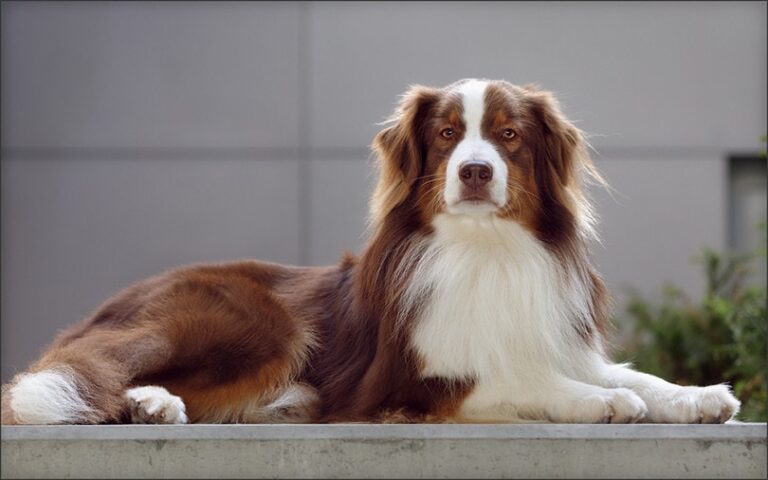
Merle Labradoodles: The Uniquely-Colored Designer Dogs That Are Adored Around the World

Looking for an affectionate, intelligent, and strikingly-colored companion? Look no further than the merle labradoodle. This designer dog breed has skyrocketed in popularity in recent years thanks to their outgoing personalities, trainability, and of course, their eye-catching coats.
As a veterinarian and lifelong dog lover, I‘ve become enamored with these beautiful pooches. In this comprehensive guide, I‘ll dive into the origin, characteristics, care needs, and fun facts about merle labradoodles. By the end, you‘ll understand exactly what makes these dogs so special.
What is a Merle Labradoodle? Origin and History
First, let‘s define what a labradoodle is. As the name suggests, a labradoodle is a crossbreed between a Labrador retriever and a poodle. Labradoodles were first intentionally bred in Australia in 1989 by Wally Conron while working as a puppy breeding manager for the Royal Guide Dog Association of Australia. His goal was to create a guide dog that would also be suitable for people with allergies, as poodles are considered a hypoallergenic breed that sheds very little.
The merle pattern found in some labradoodles is a genetic trait that results in mottled patches of color in a dog‘s coat. The merle coloration in labradoodles comes from an inherited gene associated with blue, red, sable, and chocolate coat colors. When a labradoodle inherits the dominant merle (M) allele, it displays patches of diluted pigment in addition to original coat color.
The merle gene (M) is inherited in an autosomal, incomplete dominant manner:
- Dogs with two merle genes (MM) are usually predominantly white and more likely to have visual and auditory defects.
- Dogs with one merle gene and one non-merle gene (Mm) have the traditional merle coat pattern and are typically healthy.
- Dogs with no merle genes (mm) have normal coat coloration without patches.
The first merle labradoodles likely arose spontaneously when dogs carrying the merle gene were bred together. However, some disreputable breeders later began intentionally breeding merle to merle to get higher chances of merle puppies in litters, not realizing the health issues this could cause. Today, ethical breeders avoid ever breeding two merles together.
Physical Characteristics and Traits of Merle Labradoodles
Labradoodles come in three main size categories:
- Standard (22-24 inches tall, 50-65 pounds)
- Medium (18-20 inches tall, 30-45 pounds)
- Miniature (14-16 inches tall, 15-25 pounds)
Coat types can vary from wiry to soft and straight to curly, but are most often shaggy and wavy. While typical labradoodle colors include black, chocolate, red, apricot, cream, and silver, merle labradoodles exhibit mottled combinations like blue merle, red merle, silver merle, and chocolate merle. Merle markings can appear throughout the coat or localize in certain areas like a "gray collar."
Many merles also have bright blue or light-colored eyes. Nose leather and paw pads can be mottled pink and black. Very rarely, a "cryptic" merle won‘t have obvious patches but still carries the merle gene.
In terms of personality, labradoodles are known for being friendly, highly trainable, and energetic. They inherit the outgoing, eager-to-please nature of the Labrador along with the intelligence and low-shedding coat of the poodle.
While this generally makes them wonderful family pets, the merle gene is associated with some health issues to be aware of:
- Deafness: Merles, especially double merles, have higher rates of deafness.
- Ocular abnormalities: Heterochromia (differently colored eyes), microphthalmia (abnormally small eyes), colobomas (gaps in eye structures) are more common.
- Sun sensitivity: Lighter patches have less natural protection against UV rays.
Of course, many merle labradoodles are perfectly healthy. But it‘s important for owners to be aware of these elevated risks associated with the merle gene.
Popularity and Recognition of Merle Labradoodles
Labradoodles have undoubtedly become one of the most popular "designer dog" breeds over the past few decades. Their genial nature, intelligent minds, and lowshedding coats make them appealing to a wide variety of owners. Labradoodles tend to be especially beloved by:
- Families with young children
- Apartment dwellers who can regularly exercise their dog
- Allergy sufferers who can‘t tolerate heavy shedders
- Those interested in training their dog to a high level
Countless celebrities have jumped on the labradoodle bandwagon. Just a few famous labradoodle owners include Oprah, Madonna, Megan Fox, Jennifer Anniston, Tiger Woods, Usher, and the Norwegian Crown Prince and Princess.
America‘s First Dogs Champ and Major are also German Shepherd / Labrador retriever mixes.
Labradoodles are also popular choices for working roles like:
- Service dogs (guide dogs, hearing assistance dogs, mobility assistance dogs)
- Therapy dogs
- Search and rescue dogs
- Bomb detection dogs
While merle is still a relatively rare color pattern compared to solid labradoodles, the love for these uniquely-colored pups has grown significantly as photos circulate online.
However, it‘s important to note that labradoodles, including merles, are not recognized as an official standardized breed by major kennel clubs like the AKC, UKC, CKC, etc. Since they are a crossbreed rather than a purebred, there is a lot of variation between individual labradoodles.
Some breeders are working to make "Australian labradoodles" a recognized breed. Australian labradoodles have more consistent traits because they are bred labradoodle to labradoodle for multiple generations. Some even mix in a few other breeds like spaniels and Irish water dogs.
But for now, all labradoodles are still considered designer dogs rather than a standardized breed. So when seeking a merle labradoodle puppy, it‘s important to work with a responsible breeder committed to healthy lines rather than churning out lots of merle puppies without regard for health and temperament.
Caring for a Merle Labradoodle
If you‘re considering bringing home a merle labradoodle, there are a few important care needs to consider:
Grooming: Depending on your labradoodle‘s coat texture and length, they will need regular brushing (a few times per week) to avoid matting and trips to a professional groomer every 1-2 months. The curlier the coat, the more brushing required. Hypoallergenic doesn‘t mean no grooming! Make sure you‘re willing to put in the brushing time or budget for a groomer.
Exercise: Labradoodles tend to have moderate to high exercise needs. Plan to give your dog at least one hour of physical activity per day, whether that‘s through long walks, jogs, vigorous games of fetch, or playtime with other dogs. A bored labradoodle will make their own fun, often by engaging in destructive behaviors like excessive chewing and barking.
Training: The good news is that labradoodles are typically highly biddable and quick learners thanks to their retriever and poodle genes. Establish a basic obedience training routine early and keep training sessions short and fun. Labradoodles respond very well to positive reinforcement methods. Consider enriching their clever minds with puzzle toys and scent work games as well to prevent problem behaviors.
Health Testing: If you‘re going through a breeder, make sure they perform recommended health screenings on all breeding dogs, including hip and elbow evaluation, Ophthalmologist evaluation, PRA Optigen DNA testing, and exercise induced collapse (EIC) testing.
With a loving home that meets their physical and mental stimulation needs, a merle labradoodle will be a devoted best friend for life. Their clownish antics, loyal companionship, and striking appearance are sure to bring smiles for years to come.
Fun Facts About Merle Labradoodles
-
The term "Labradoodle" was first used all the way back in 1955 by Donald Campbell, a breeder who crossed a Labrador with a poodle.
-
Depending on the specific genes they inherit, labradoodle coats can be hair (like poodles have), fur (like labs have) or a combination called fleece.
-
Many owners suspect their labradoodles understand a huge number of words, and science backs this up. One of the smartest dogs on record was a Labrador named Chaser who learned over 1,000 words!
-
The merle gene may be associated with higher rates of strabismus (crossed eyes) in some breeds. More research is still needed on this link in labradoodles.
-
A Labradoodle named Digby works as a therapy dog at Devon and Exeter Hospitals in England. He‘s trained to wear PPE and comfort frontline medical workers.
-
At the end of the day, there‘s no guarantee that a merle labradoodle will be hypoallergenic. While some labradoodles inherit the poodle‘s lowshedding coat, others end up with the Labrador‘s denser coat. Spending time with a dog before bringing them home is the only way to know for sure if you react.
-
The world record for "Dog With the Most Tricks" was held for many years by a chocolate labradoodle named Bailey who knew an impressive 250 tricks!
So there you have it – a deep dive into the wonderful world of merle labradoodles. As a devoted dog lover and veterinary professional, I can attest that these pooches are truly special.
With their fun-loving, intuitive personalities and mesmerizing coats, it‘s no wonder that so many are falling head over heels for merle labradoodles. Just be sure to find a responsible breeder, invest time into training and exercise, and do your research so your artfully colored pup can live their happiest, healthiest life by your side.