
Dog Ate Your Meds? Don‘t Panic, Get Help! A Dog Lover‘s Guide to Human Medication Poisoning
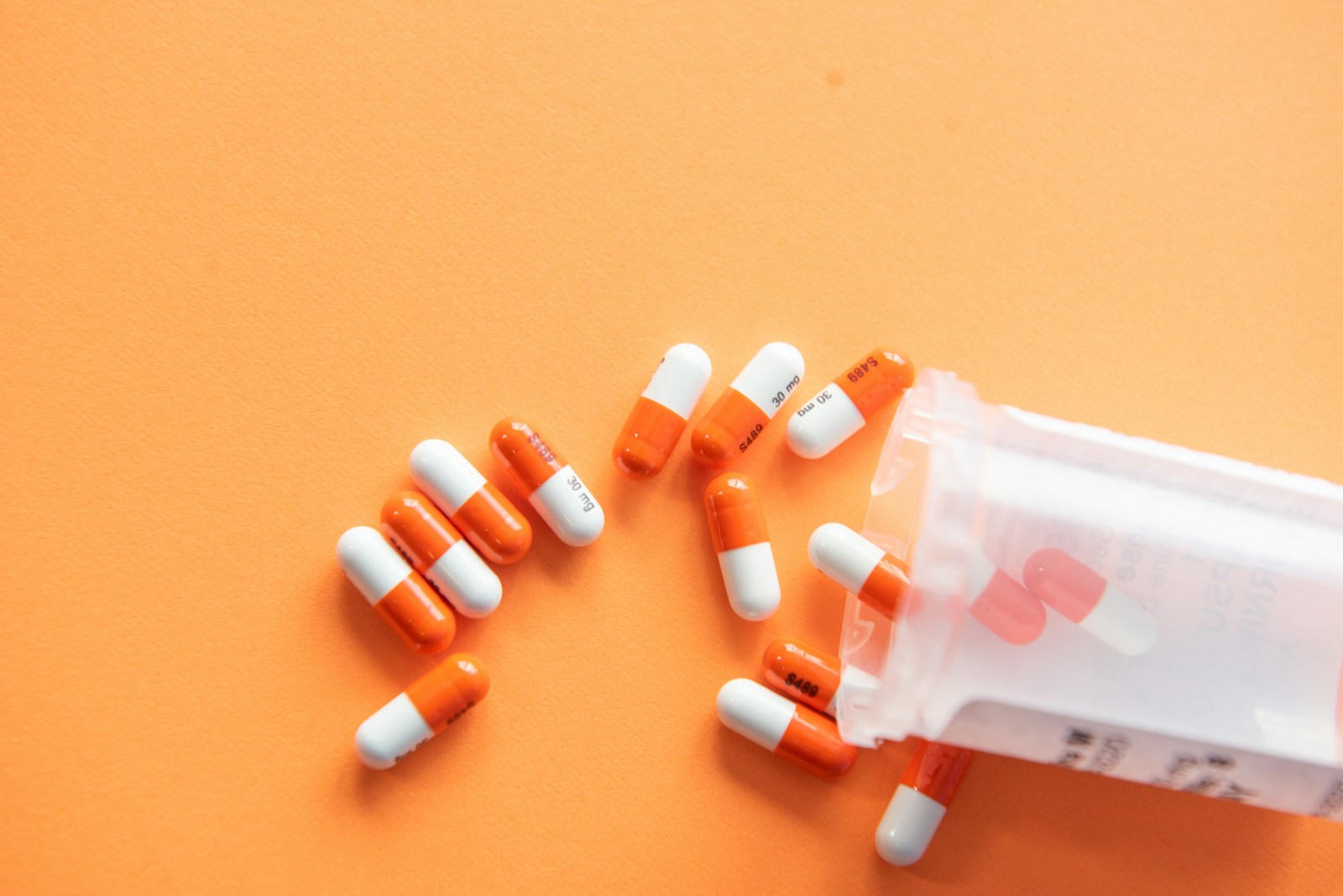
Fellow dog lovers, do you ever take a pill and worry that your pup is going to sneak a forbidden snack? You‘re not alone! The ASPCA Animal Poison Control Center receives hundreds of thousands of calls every year related to potential poisonings, and nearly half of them involve dogs ingesting human medications.[^1] Those curious canines just can‘t resist the allure of a dropped dose!
But what happens when Rover raids the medicine cabinet is no laughing matter. Many common human medications can be incredibly toxic to our furry friends. From over-the-counter pain relievers to prescription antidepressants, drugs that we pop without a second thought can make our dogs deathly ill. In fact, human medications are among the top 10 pet toxins reported to the Pet Poison Helpline.[^2]
So why are our medications so dangerous for dogs? It all comes down to differences in biology. Dogs metabolize substances very differently than humans do. Their bodies are designed to digest and use nutrients from a carnivorous diet, not process synthetic chemicals. They have different metabolic pathways, enzymes, and even pH levels in their digestive tracts compared to humans.[^3]
Additionally, most medications are dosed based on body weight. The average adult human weighs about 137 pounds[^4], while the typical dog weighs just 30-40 pounds[^5]. So even a single pill that‘s perfectly safe for a person can drastically overdose a dog. Certain breeds also have unique sensitivities—for example, collies and herding breeds can have severe reactions to ivermectin due to a genetic mutation.[^6]
The most common human medications gobbled up by dogs include:[^1] [^2]
- NSAIDs (ibuprofen, naproxen)
- Acetaminophen
- Antidepressants (Prozac, Effexor, Paxil)
- ADHD drugs (Adderall, Ritalin, Concerta)
- Benzodiazepines (Xanax, Klonopin, Valium)
- Birth control pills
- ACE inhibitors and beta blockers
- Thyroid hormones
Each of these drug classes can cause serious and potentially life-threatening complications in dogs. NSAIDs like ibuprofen and naproxen can severely irritate the stomach lining, leading to ulcers and gastrointestinal bleeding. They can also cause acute kidney failure at high doses.[^7] A single 200mg ibuprofen tablet could be fatal for a 10-pound dog.[^2]
Acetaminophen, the active ingredient in Tylenol, is especially toxic to cats and can also harm dogs. It causes severe liver damage and damages red blood cells, inhibiting their ability to carry oxygen. This can lead to difficulty breathing, blue-tinged gums, and even collapse.[^8]
Antidepressants affect neurotransmitters like serotonin and norepinephrine, which regulate mood and behavior. In dogs, they can cause agitation, restlessness, tremors, elevated heart rate, and seizures. Certain antidepressants like Effexor and Paxil are also potent norepinephrine reuptake inhibitors, which can cause a dangerous spike in blood pressure.[^9]
ADHD medications like Adderall and Ritalin are stimulants that can cause hyperactivity, elevated body temperature, seizures, and heart arrhythmias in dogs. The same goes for illegal stimulants like methamphetamine and cocaine.[^2] Benzodiazepine sedatives and sleep aids can cause severe lethargy, impaired coordination, and slowed breathing in dogs.[^1]
Even something as seemingly harmless as birth control pills can spell big trouble for dogs. The synthetic hormones in oral contraceptives can suppress the production of red and white blood cells in the bone marrow, leading to life-threatening anemia and immune system dysfunction.[^10]
Cardiovascular drugs like ACE inhibitors and beta blockers slow the heart rate and decrease blood pressure. In dogs, they can cause dangerously low heart rate, blood pressure, and body temperature. Thyroid medications can cause a dangerous surge in metabolism, leading to panting, anxiety, diarrhea, rapid heartbeat, and even organ damage.[^2]
If you suspect your dog has ingested any human medication, time is critical. Immediately call your veterinarian or an animal poison control center like the ASPCA Animal Poison Control (888-426-4435) or Pet Poison Helpline (855-764-7661). You‘ll need to provide the medication name, strength, and approximate amount ingested, as well as your dog‘s weight and the time since ingestion.
Your vet or the poison control toxicologist will calculate your dog‘s risk of toxicity based on the dosage ingested per kilogram of body weight. They‘ll then advise you on the best course of action, which may include:
-
Inducing vomiting if the ingestion was recent and it‘s safe to do so. Your vet may instruct you to give a dose of 3% hydrogen peroxide to make your dog vomit. Never induce vomiting without consulting a professional first, as some substances can cause further damage coming back up and corrosive chemicals can burn the esophagus.
-
Rushing to the emergency vet for treatment. If a toxic dose was ingested or your dog is already showing symptoms, you‘ll need to seek immediate veterinary care. Call ahead so they can prepare for your arrival.
-
Administering activated charcoal to bind to the drug and prevent further absorption from the gut. Your vet may give this by mouth or through a stomach tube.
-
Performing gastric lavage (stomach pumping) under anesthesia to flush out the contents of the stomach.
-
Starting IV fluids to support circulation, perfuse the kidneys, and promote elimination of the drug.
-
Giving medications to counteract the effects of the ingested drug, such as atropine for beta blockers, vitamin K for rodenticide exposure, or dextrose for sulfonylurea overdose.
-
Monitoring blood work, vital signs, and potentially toxic effects over 24-72 hours of hospitalization.
The prognosis depends on the specific drug and dose ingested, the size of the dog, and how quickly treatment is initiated. The sooner you seek help, the better the chances of a full recovery.
Sadly, not all dogs are so lucky. According to data from the ASPCA Animal Poison Control Center, nearly 10% of their canine medication overdose cases in 2022 resulted in fatalities.[^1] Treatment for medication poisoning can also be very expensive, costing hundreds to thousands of dollars in diagnostics, treatments, and hospitalization.
One pet insurance provider reported an average claim payout of $1,000 for accidental human medication ingestion in dogs.[^11] Investing in pet insurance can provide peace of mind and financial protection in case of unexpected poisonings or other emergencies.
To keep your precious pups safe, prevention is paramount. Store all medications in child-proof and dog-proof containers in a secure location, such as a high shelf or locked cabinet. Never leave pills lying around or store them in plastic baggies that pups can chew through. Discard any dropped or spilled pills immediately. Keep purses, backpacks, and guest bags out of your dog‘s reach, as they often contain medications. When traveling with your dog, store their medication separately to avoid mix-ups.
If you have to give your dog any medications at home, use caution and follow your vet‘s instructions exactly. "Pilling" a reluctant pup can be tricky. Wrapping the pill in a small bit of cheese, peanut butter, or a commercially-available "pill pocket" can help, but ensure they swallow it completely and don‘t spit it out when you aren‘t looking. Ask your vet or pharmacist if the pill can be crushed or split to make dosing easier. Never cut or crush extended-release or enteric-coated tablets without asking first.
Besides human medications, there are many other common household toxins that can harm our hounds. Some of the most frequent offenders include:[^1] [^2]
-
Chocolate, coffee, and caffeine: contains methylxanthines that can cause vomiting, diarrhea, hyperactivity, abnormal heart rhythm, seizures, and death. The darker and more bitter the chocolate, the more toxic it is.
-
Grapes, raisins, and currants: can cause acute kidney failure in dogs for unknown reasons. Even small amounts can be fatal.
-
Xylitol: this sugar substitute found in many sugar-free gums, candies, and baked goods causes a rapid drop in blood sugar and liver failure in dogs.
-
Onions and garlic: contain sulfides that damage red blood cells and can cause life-threatening anemia.
-
Macadamia nuts: can cause weakness, depression, vomiting, and hyperthermia.
-
Alcohol: can cause vomiting, diarrhea, central nervous system depression, difficulty breathing, tremors, coma, and death.
-
Household cleaners and chemicals: many common products like bleach, detergents, and disinfectants can cause chemical burns and other dangerous complications if ingested or inhaled by dogs.
-
Insecticides/rodenticides: the pesticides used to kill bugs and vermin are highly poisonous to pets as well. Rodent poisons in particular are designed to cause fatal internal bleeding.
-
Fertilizers and garden products: many contain toxic chemicals like organophosphates or heavy metals that can make dogs very ill. Cocoa mulch also contains theobromine, the same toxic compound in chocolate.
-
Plants: many common houseplants and garden plants are toxic to dogs if ingested, including lilies, tulips, azaleas, rhododendrons, sago palms, and chrysanthemums.[^12]
If you think your dog has gotten into any of these substances, call your vet or animal poison control right away. You can also visit the ASPCA Animal Poison Control Center website for a comprehensive list of toxic plants, foods, medications, and household hazards.
To make your home a dog-safe haven, go room by room and put yourself in your pup‘s paws. Get down on their level and look for any potential poisons they could get into. Keep food, medications, and chemicals in dog-proof containers and out of reach. Limit your dog‘s access to areas like the garage and yard shed where hazardous products are often stored. Opt for pet-safe ant baits and garden products when possible. Choose dog-friendly houseplants or keep dangerous ones out of reach.
You can also assemble a doggie first aid kit so you‘re prepared to act fast in case of an emergency. Key items to include are:
- Your vet‘s phone number and address
- The number for animal poison control
- Hydrogen peroxide 3% to induce vomiting if instructed
- Activated charcoal to absorb ingested toxins
- A turkey baster or large syringe (no needle) to administer liquids
- Saline eye wash
- Tweezers and disposable gloves
- A muzzle (even the sweetest dog may bite when in pain or afraid)
- Clean towels and bedding
- A carrier or sturdy leash and collar
Hopefully you‘ll never have to use it, but having these items on hand can save precious minutes in a poisoning situation. You can purchase a pre-assembled pet first aid kit or put one together yourself.
In conclusion, dogs will be dogs—and that means they‘ll eat first and ask questions later. Their indiscriminate appetites and smaller size put them at high risk of medication poisonings and toxin exposures. Knowing the most common culprits and staying vigilant can help keep your pup out of harm‘s way. But if an oopsie happens, swift action and veterinary care can make all the difference.
By dog-proofing your home, keeping a watchful eye, and knowing what to do in case of ingestion, you can protect your pooch and give yourself peace of mind. Remember, they‘re counting on us to keep them safe. It‘s all part of being a dedicated dog parent. After all, we‘d do anything for our beloved bowwows!
[^1]: ASPCA Animal Poison Control Center data, 2022[^2]: Pet Poison Helpline, "Top 10 Human Medications Poisonous to Pets," 2023
[^3]: Merck Veterinary Manual, "Pharmacology Introduction," 2022
[^4]: CDC, "Body Measurements," 2018
[^5]: AKC, "How Much Should My Dog Weigh?" 2023
[^6]: Washington State University College of Veterinary Medicine, "MDR1 Gene Mutation FAQ," 2022
[^7]: Frontiers in Veterinary Science, "Nonsteroidal Anti-inflammatory Drug Toxicity in Dogs," 2022
[^8]: VCA Animal Hospitals, "Acetaminophen Toxicity in Dogs," 2023
[^9]: Today‘s Veterinary Practice, "Toxicology Talk: Antidepressant Overdose," 2020
[^10]: DVM360, "Toxicology Brief: Oral Contraceptive Exposure in Dogs," 2008
[^11]: Trupanion, "Cost of Unintentional Poisoning in Pets," 2021
[^12]: ASPCA, "Toxic and Non-Toxic Plants List," 2023


