How to Safely Fatten Up Your Dog: A Vet‘s Comprehensive Guide
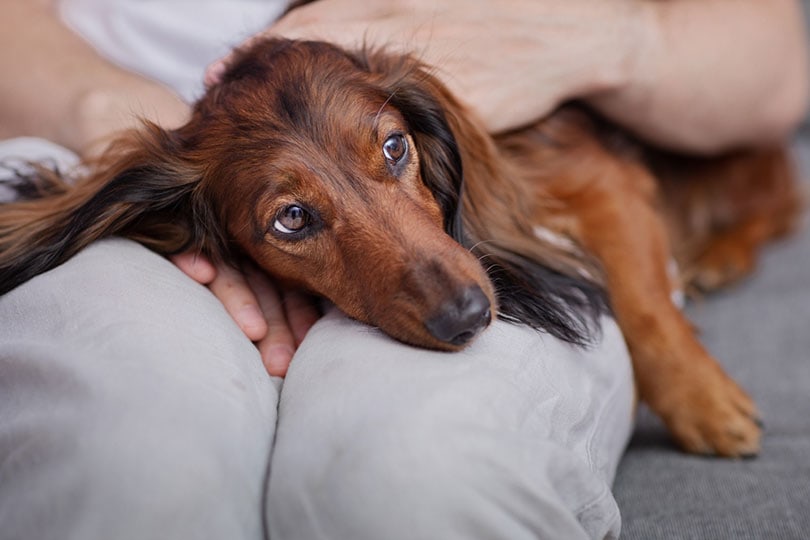
As a lifelong dog lover and veterinarian with over 15 years of experience, I know firsthand how concerning it can be to realize your furry friend is underweight. Whether due to picky eating, a medical issue, or simply a naturally lean build, watching your pup‘s ribs and hip bones protrude can tug at your heartstrings.
But fear not – with the right approach, you can help your dog achieve a healthy body condition safely and effectively. In this ultimate guide, I‘ll dive deep into assessing your dog‘s weight, ruling out underlying health problems, and implementing a science-backed plan to pack on the pounds. By the end, you‘ll have all the tools you need to get your companion back to their ideal weight and thriving.
Evaluating Your Dog‘s Body Condition
The first step in determining if your dog needs to gain weight is to assess their body condition score (BCS). The BCS is a standardized system used by veterinarians to evaluate a pet‘s body fat and muscle mass. It allows for a more objective assessment than simply relying on the number on the scale.
The most common BCS scale for dogs ranges from 1 to 9, with 1 being extremely thin and 9 being morbidly obese. A score of 4-5 is considered ideal for most breeds. Here‘s a breakdown of what each score represents:
| Score | Description |
|---|---|
| 1 | Ribs, spine, and hip bones visible from a distance. No palpable fat. Severe abdominal tuck. |
| 2 | Ribs, spine, and hip bones easily visible. No palpable fat. Obvious abdominal tuck. |
| 3 | Ribs and spine easily palpable, with minimal fat covering. Obvious waist behind ribs. Abdominal tuck present. |
| 4 | Ribs and spine palpable with minimal pressure. Waist easily noted when viewed from above. Abdominal tuck evident. |
| 5 | Ribs and spine palpable with slight pressure. Waist visible from above. Abdomen tucked up when viewed from side. |
| 6 | Ribs and spine palpable with firm pressure. Waist visible but not prominent. Abdominal tuck less pronounced. |
| 7 | Ribs and spine not easily palpated due to fat covering. Waist barely visible. Little abdominal tuck. |
| 8 | Ribs, spine, and waist not palpable or visible due to extensive fat cover. Abdomen distended or sagging. |
| 9 | Massive fat deposits over chest, spine, and base of tail. Waist and abdominal tuck absent. Obvious abdominal distention. |
To determine your dog‘s BCS, use your eyes and hands to feel their rib cage, spine, waist, and tuck. In an ideal body condition, you should be able to easily feel (but not see) your dog‘s ribs, with a slight fat covering. There should be an obvious waist when viewed from above and an abdominal tuck when viewed from the side.
If your dog scores a 1-3 on the scale, they are likely underweight and may benefit from a controlled weight gain plan. However, it‘s important to keep in mind that some breeds, such as Greyhounds, Whippets, and Chihuahuas, naturally carry less body fat and may appear lean even at a healthy weight. When in doubt, consult with your veterinarian to determine if your dog‘s weight is truly a cause for concern.
Uncovering Medical Causes of Unwanted Weight Loss
Once you‘ve established that your dog is indeed underweight, it‘s crucial to rule out any underlying medical issues before embarking on a weight gain journey. Sudden or chronic weight loss can be a red flag for a variety of health problems that require veterinary attention.
Some of the most common medical causes of unintended weight loss in dogs include:
-
Parasites: Intestinal parasites like roundworms, hookworms, whipworms, and giardia can steal nutrients from your dog‘s digestive tract, leading to weight loss and malnutrition. A fecal exam can help diagnose parasites, which can then be treated with deworming medication.
-
Dental disease: Painful tooth decay, gum inflammation, or oral tumors can make eating difficult and unappetizing. A thorough oral exam under anesthesia is often necessary to identify and treat dental issues.
-
Chronic illnesses: Diseases like kidney failure, liver disease, diabetes, and Addison‘s disease can alter metabolism and lead to muscle wasting and weight loss. Blood work and urine tests can help diagnose these conditions.
-
Gastrointestinal disorders: Inflammatory bowel disease, food allergies, and certain cancers can interfere with nutrient absorption and cause chronic diarrhea or vomiting. Specialized tests like ultrasound or endoscopy may be necessary for diagnosis.
-
Pain or mobility issues: Arthritis, intervertebral disc disease, or other orthopedic problems can make it difficult for your dog to access their food bowl or comfortably eat and digest meals. A physical exam and x-rays can identify these issues.
-
Medications: Certain medications, such as chemotherapy drugs or antibiotics, can cause nausea or decreased appetite as a side effect. Consult with your vet about possible alternatives or appetite stimulants if necessary.
According to a study published in the Journal of Small Animal Practice, the most common causes of unexplained weight loss in dogs were gastrointestinal disease (32%), kidney disease (16%), and cancer (11%). Therefore, it‘s essential to pursue diagnostic testing early on to catch and treat these serious conditions promptly.
Your veterinarian will likely recommend a combination of blood work, urinalysis, fecal testing, and imaging to get to the bottom of your dog‘s weight loss. In some cases, more advanced diagnostics like ultrasound, endoscopy, or biopsy may be necessary. By identifying and treating any underlying medical issues, you‘ll be setting your dog up for successful and safe weight gain.
Designing a Safe Weight Gain Plan
Once medical issues have been addressed or ruled out, it‘s time to focus on packing some healthy pounds onto your pooch. However, it‘s important to approach weight gain gradually and sustainably to avoid overwhelming your dog‘s digestive system or causing excessive fat gain.
A good starting point is to calculate your dog‘s daily calorie requirements using one of several formulas. The most accurate method is to use your dog‘s ideal weight in the following equation:
Daily calories = 30 x (ideal weight in kg)^0.75
For example, a 10 kg (22 lb) dog at their ideal weight would need approximately 300 calories per day to maintain that weight. To promote weight gain, you can add an additional 10-20% to this amount, which would be 330-360 calories per day for our example dog.
Once you have a calorie target in mind, it‘s time to choose an appropriate diet. Look for a high-quality, calorie-dense dog food that is formulated for growth, performance, or all life stages. These diets tend to have higher protein and fat content compared to adult maintenance formulas, which can help support muscle mass and healthy weight gain.
Some top picks for weight gain include:
- Purina Pro Plan Sport Performance 30/20 Formula
- Royal Canin Medium Puppy Dry Dog Food
- Eukanuba Premium Performance 30/20 Adult Dry Dog Food
- Wellness CORE Original Recipe
When transitioning to a new diet, do so gradually over the course of 7-10 days to minimize digestive upset. Start by mixing 25% of the new food with 75% of the old food, and gradually increase the proportion of new food each day until you are feeding 100% of the new diet.
In addition to choosing the right food, it‘s also important to consider how you‘re feeding your dog. Divide their daily calorie allotment into 3-4 smaller meals throughout the day rather than one or two large meals. This can help prevent overloading their digestive system and make meals more appealing.
You can also try adding tasty, calorie-dense toppers to your dog‘s food to encourage them to eat more. Some safe and healthy options include:
- Canned pumpkin (not pie filling)
- Plain, low-fat Greek yogurt
- Hard-boiled eggs
- Lean meats like chicken, turkey, or beef
- Cottage cheese
- Oily fish like sardines or salmon
Aim for no more than 10% of your dog‘s daily calories to come from treats or toppers to avoid unbalancing their diet.
Another way to make mealtime more engaging and encourage your dog to eat more is to use food puzzles or slow feeders. These devices turn eating into a mentally stimulating game and can help prevent gulping or picky eating. Start with an easy puzzle and gradually increase the difficulty as your dog gets the hang of it.
Monitoring Progress and Adjusting Course
Healthy weight gain is a gradual process that requires patience and consistent monitoring. Weigh your dog every 1-2 weeks and keep track of their BCS to assess their progress. You can also take progress photos every month to visualize changes in their body over time.
A safe rate of weight gain for most dogs is about 1-2% of their body weight per week. For a 22 lb (10 kg) dog, this would be 0.2-0.4 lb (0.1-0.2 kg) per week. Anything faster than this can put unnecessary strain on your dog‘s joints and organs.
If you‘re not seeing progress after 2-4 weeks, you may need to adjust your plan. Double-check that you‘re accurately measuring food portions and consider increasing the calorie density of their meals by adding more high-fat toppers or switching to an even higher calorie food.
On the flip side, if your dog is gaining weight too quickly or starting to look overweight, scale back on calories and increase exercise as needed. The goal is to achieve a BCS of 4-5, not to create a roly-poly pup.
It‘s also important to keep an eye out for any signs of digestive upset, such as vomiting, diarrhea, or loss of appetite. If your dog experiences these symptoms, it may be a sign that you‘re increasing calories too quickly or that they are sensitive to an ingredient in their new food. Consult with your veterinarian if symptoms persist for more than a day or two.
Success Stories: Real Dogs, Real Results
As a veterinarian, I‘ve had the privilege of helping countless underweight dogs achieve their ideal body condition. One particularly memorable case was a 2-year-old German Shepherd named Luna who came to me weighing just 42 lbs (19 kg) when she should have been closer to 60 lbs (27 kg).
After ruling out medical causes for Luna‘s weight loss, I worked with her owners to develop a comprehensive weight gain plan. We started by gradually transitioning her to a high-calorie performance diet and adding in twice-daily meals of boiled chicken and rice. We also incorporated food puzzles and nose work games to keep her mentally stimulated and encourage her to eat more.
Over the course of 3 months, Luna slowly but steadily gained weight. Her energy levels improved, her coat became shinier, and her ribs and hip bones became less visible. By the end of our plan, she had reached a healthy weight of 58 lbs (26 kg) and was the picture of health.
Luna‘s story is just one of many success stories I‘ve witnessed throughout my career. With the right combination of nutrition, patience, and veterinary guidance, even the skinniest of dogs can achieve their ideal body condition and enjoy a higher quality of life.
The Bottom Line
Helping an underweight dog reach a healthy body condition can feel like an uphill battle, but it‘s a journey well worth taking. By starting with a thorough veterinary evaluation, designing a safe and effective weight gain plan, and consistently monitoring progress, you can help your furry friend achieve their ideal weight and thrive.
Remember, every dog is an individual and may respond differently to various approaches. Don‘t be afraid to adjust course as needed and always consult with your veterinarian if you have concerns or questions along the way.
With patience, persistence, and a hefty dose of love, you can help your skinny pup become the happy, healthy dog they were always meant to be. As a fellow dog lover and veterinarian, I‘ll be cheering you on every step of the way.
References
-
Hand, M. S., Thatcher, C. D., Remillard, R. L., Roudebush, P., & Novotny, B. J. (Eds.). (2010). Small Animal Clinical Nutrition (5th ed.). Mark Morris Institute.
-
Brooks, D., Churchill, J., Fein, K., Linder, D., Michel, K. E., Tudor, K., Ward, E., & Witzel, A. (2014). 2014 AAHA Weight Management Guidelines for Dogs and Cats. Journal of the American Animal Hospital Association, 50(1), 1-11. https://doi.org/10.5326/jaaha-ms-6331
-
Case, L. P., Daristotle, L., Hayek, M. G., & Raasch, M. F. (2011). Canine and Feline Nutrition: A Resource for Companion Animal Professionals (3rd ed.). Mosby.
-
Wakshlag, J. J., Barr, S. C., Ordway, G. A., Kallfelz, F. A., Flaherty, C. E., Christensen, B. W., Shepard, L. A., Nydam, D. V., & Davenport, G. M. (2003). Effect of dietary protein on lean body wasting in dogs: correlation between loss of lean mass and markers of proteasome-dependent proteolysis. Journal of Animal Physiology and Animal Nutrition, 87(11-12), 408-420. https://doi.org/10.1046/j.1439-0396.2003.00452.x