
Doxie Poo (Dachshund & Poodle Mix): Pictures, Info, Care & More
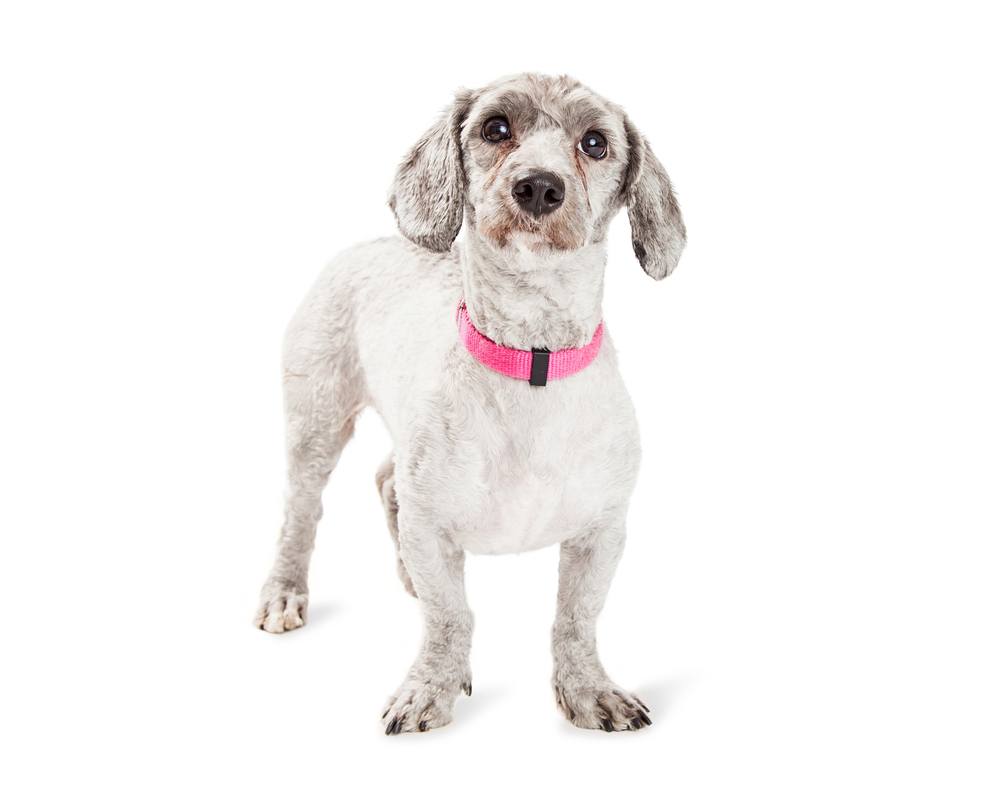
An Adorable Crossbreed: Getting to Know the Dachshund-Poodle Mix
Are you looking for a small, affectionate companion dog with a fun-loving personality? The doxiepoo, a hybrid cross between a dachshund and a poodle, may be just the pup for you! With their cute looks and lively spirits, doxiepoos have been winning hearts since they first emerged on the designer dog scene in the early 2000s.
In this comprehensive guide, we‘ll dive into all the details you need to know about this adorable mixed breed, from their history and physical characteristics to their grooming needs, activity levels, trainability, and more. By the end, you‘ll have a good sense of whether a doxiepoo would be a great fit for your home and lifestyle. Let‘s get started!
The Origins of the Doxiepoo
Crossing different purebreds to create new hybrid dogs has been a growing trend over the last few decades, ever since the first "doodle" dogs like the labradoodle and goldendoodle were developed in Australia in the 1980s. The goal is often to combine the best traits of each parent breed while minimizing health issues through hybrid vigor.
The doxiepoo followed this pattern, with breeders aiming to design an adaptable, low-shedding companion dog by mating a dachshund with a poodle (either toy or miniature size). The poodle genes bring intelligence, a low-allergen coat, and a proud, elegant bearing, while the dachshund side contributes a bold, lively spirit and affectionate nature in a compact package.
Compared to some of the other "doodle" hybrids out there, the doxiepoo is a relatively newer and rarer mixed breed. Intentional crossings began sometime in the late 1990s or early 2000s, so most doxiepoos today are first- or second-generation mixes without established breed standards. But they‘ve been steadily growing in popularity as more people discover their winning combination of cute looks and fun-loving, people-oriented personalities.
Physical Characteristics of Doxiepoos
Because they‘re a newer crossbreed without strict standards, doxiepoos can vary quite a bit in appearance depending on which parent breeds and sizes were used. Poodles come in toy and miniature varieties, while dachshunds can be either standard or miniature size. So the resulting doxiepoo offspring may stand anywhere from 5 to 15 inches tall at the shoulder and weigh between 6 to 30 pounds at maturity.
Their coats also have a range of possibilities. Most doxiepoos will inherit a wavy to curly coat from their poodle parent, with common colors including black, white, brown, apricot, and parti-color patterns. But some may take after the dachshund side more with a straighter, slightly longer double coat that sheds moderately.
In terms of body shape, doxiepoos usually have a fairly sturdy, compact frame with a deep chest and short to medium length legs. They tend to be a bit longer than they are tall, but not quite as elongated as a purebred dachshund. Muzzles are of medium length with a round or slightly pointed tip, and ears are moderately long and floppy.
Doxiepoo Coat Types and Grooming Needs
A doxiepoo‘s grooming and coat care needs will depend a lot on which coat type they inherit. Curly-coated doxiepoos with more of a poodle-like hair texture are usually very low-shedding and may be a good choice for allergy sufferers. They‘ll need regular brushing every few days to prevent matting, as well as occasional trims to keep the coat short and tidy.
On the other hand, doxiepoos with wavier, dachshund-dominant coats are likely to be moderate shedders, though still less than many other breeds. Weekly brushing and the occasional bath should suffice for maintaining their coat, along with routine nail trims and ear checks.
In either case, it‘s important to establish a grooming routine with your doxiepoo from a young age so they learn to tolerate and even enjoy the process. Be especially gentle when brushing or combing around sensitive areas like the ears, paws, and underbelly. Regular dental care with dog-safe toothpaste or dental chews is also key for preventing tooth and gum issues down the line.
The Lively, Loving Doxiepoo Temperament
Most doxiepoos inherit an outgoing, people-loving personality from both the dachshund and poodle sides. They tend to be playful, inquisitive dogs who love being the center of attention and thrive on human companionship. Doxiepoos often form strong bonds with their owners and always want to be involved in whatever their humans are doing.
As such, doxiepoos can sometimes be prone to separation anxiety if left alone for long periods. They do best in homes where someone is around for most of the day, or where they‘ll have another canine buddy to keep them company. Crate training can also help doxiepoos learn to feel safe and secure when you can‘t be there with them.
With proper socialization, doxiepoos are typically very good with children and enjoy the extra attention and playtime they provide. They can be good with other dogs too, though some may show a bit of the dachshund‘s feisty, territorial side around same-sex dogs. Introducing them to lots of new people, pets, sights and sounds from an early age can help encourage friendly, confident behavior.
While they‘re not usually aggressive, some doxiepoos may have a protective streak and a tendency to bark at strangers or unfamiliar noises. Teaching a "quiet" command from puppyhood can help nip problem barking in the bud. With their smarts and eagerness to please, doxiepoos tend to pick up on training quickly, though they can sometimes have a stubborn streak. Keeping things positive with lots of tasty rewards is the best way to motivate them.
Exercise Needs and Activity Level
Doxiepoos are lively little dogs, but their exercise needs are fairly moderate compared to larger, more demanding breeds. A half-hour to hour of activity per day, broken up into a couple walks and some playtime, is usually enough to keep them happy and healthy. They love exploring the yard, going to the dog park, playing games of fetch or hide-and-seek, and just generally being out and about with their owners.
Of course, individual exercise needs may vary a bit depending on your doxiepoo‘s specific size, age, and overall health. Puppies and younger dogs tend to be more energetic and need a bit more activity than seniors. And like the dachshund, some doxiepoos may be prone to weight gain as they age, so it‘s important to monitor their diet and keep them moving.
In addition to physical exercise, doxiepoos need plenty of mental stimulation to prevent boredom and behavior issues. Puzzle toys, interactive games, trick training, and even dog sports like rally or agility can be great outlets for their busy brains. Dachshunds and poodles are both bright, trainable breeds, so doxiepoos tend to really enjoy learning new things and showing off their skills.
Potential Health Issues
Although mixed breed dogs are often healthier overall than their purebred counterparts, doxiepoos may still be prone to certain health issues inherited from their parent breeds. Potential problems to be aware of include:
-
Hip dysplasia and luxating patellas: These orthopedic issues are sometimes seen in dachshunds and toy/miniature poodles, so doxiepoos may inherit a risk for them as well. Proper diet, exercise and a healthy weight can help reduce the chances of developing these conditions.
-
Eye problems: Both dachshunds and poodles can be prone to eye diseases like glaucoma, progressive retinal atrophy, and cataracts. Regular vet check-ups can help catch any developing issues early on.
-
Epilepsy: Seizure disorders are another potential concern for doxiepoos, especially if there‘s a history of epilepsy in either parent line. If you notice any seizure-like activity, it‘s important to get your dog evaluated by a veterinarian right away.
-
Cushing‘s disease: This hormonal disorder is sometimes seen in poodles and results in excessive thirst, appetite, and urination. Treatment typically involves lifelong medication to control cortisol levels.
-
Bloat: Deep-chested breeds like the dachshund are more prone to this life-threatening condition in which the stomach fills with air and twists on itself. Feeding smaller meals throughout the day and limiting exercise after eating can help prevent bloat.
Of course, not every doxiepoo will develop these or other health problems. Choosing a puppy from a reputable breeder who health tests their stock can help stack the odds in your favor. And providing your dog with a nutritious diet, plenty of exercise, and regular check-ups will go a long way towards keeping them in tip-top shape.
Is a Doxiepoo Right For You?
So after learning all about this cute and lively cross breed, do you think the doxiepoo could be your ideal canine companion? These entertaining little dogs can fit well into many different types of households, but they‘re especially well-suited for:
- Families with children, as doxiepoos are typically patient, playful, and sturdy enough to handle some roughhousing
- Seniors or people looking for a smaller dog with moderate exercise needs
- Apartment dwellers, as long as they‘re able to provide enough mental and physical activity
- Owners who want an affectionate, people-oriented dog that will stick by their side
- Allergy sufferers, if choosing a low-shedding doxiepoo with a more poodle-like coat
- First-time dog owners, as doxiepoos are fairly adaptable and easy to train
On the flip side, a doxiepoo might not be the best fit for:
- People who are out of the house for long periods, as they don‘t do well being left alone
- Those looking for a fully hypoallergenic dog, as some doxiepoos may still shed and produce dander
- Owners who prefer a very calm, quiet dog, as doxiepoos can be alert barkers
- Households with very small pets like hamsters or gerbils, as the dachshund prey drive may win out
Ultimately, the key to a successful doxiepoo ownership is providing plenty of love, attention, training and exercise. In the right home, these endearing little dogs will reward you with a big personality, entertaining antics, and steadfast loyalty for years to come.
Fun Facts About Doxiepoos
Still curious to learn more about this adorable cross breed? Here are a few fun facts to leave you with:
- The name "doxiepoo" comes from combining the words "dachshund" and "poodle" (and shortening dachshund to "doxie"). Other nicknames for the cross include doxiedoodle, dachdoodle, and dachshunddoodle.
- Thanks to their portable size, doxiepoos make great travel buddies and can often fly in the cabin on planes.
- Doxiepoos can inherit the poodle‘s fast-growing nails, so may need more frequent nail trims than other breeds.
- Some famous doxiepoo owners include American figure skater Adam Rippon and actress Melissa Joan Hart.
- A doxiepoo named Rusty holds the unofficial record for fastest sprint through a human tunnel, covering a 10-person tunnel in just 4.2 seconds.
- Doxiepoos may inherit the dachshund‘s love of digging, so a sandbox or designated digging spot in the yard can help keep them out of trouble.
- Because they‘re not an official breed, there are no established standards for show or performance events. But some kennel clubs like the Continental Kennel Club are starting to recognize them as an emerging breed.



:%20Pictures,%20Info,%20Care%20&%20More)