Paws to Heal: The Best Dog Breeds for Emotional Support
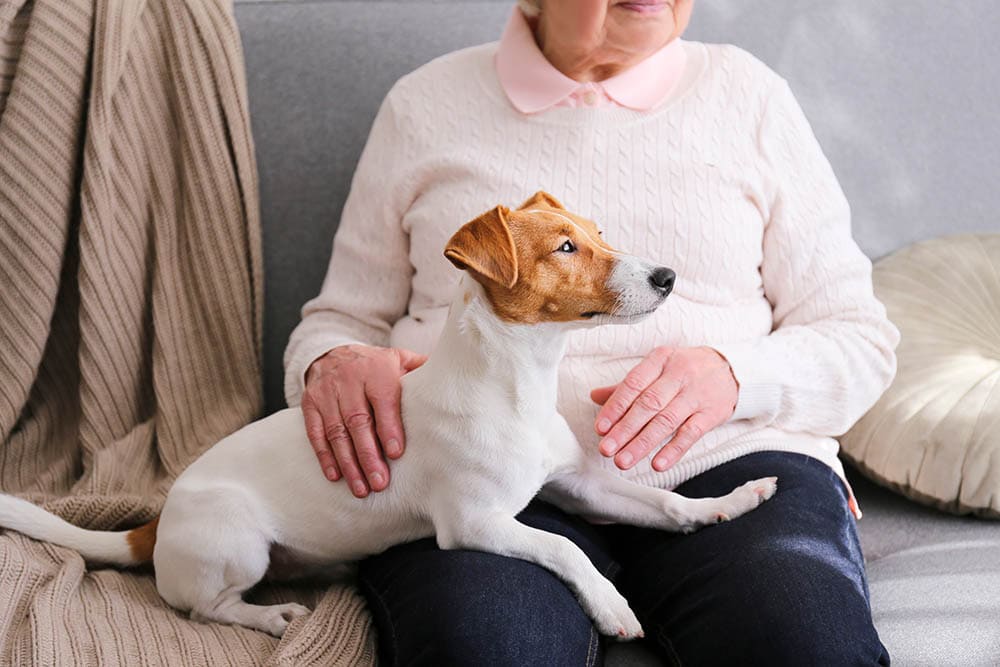
As any dog lover knows, the bond between humans and canines is a profound and special one. Dogs have a unique capacity to love unconditionally, live in the moment, and offer comfort with a wag of the tail or snuggle. For people navigating depression, anxiety, PTSD or other mental health challenges, an emotional support dog can be a literal lifesaver – providing a sense of purpose, easing loneliness, and inspiring joy in the darkest of times.
If you‘re considering an emotional support dog, you may wonder what breeds are best suited for the role. The truth is, dogs of all shapes, sizes and pedigrees can make excellent emotional support animals with the right temperament and training. However, some breeds are especially renowned for their innate sensitivity, gentle spirits, and happy-go-lucky attitudes. Let‘s take a closer look at some of the top contenders, along with the science behind the healing power of pups.
What Makes a Good Emotional Support Dog?
First, it‘s essential to understand the difference between emotional support animals (ESAs), therapy dogs, and service dogs. Therapy dogs and their handlers volunteer in settings like hospitals and schools to bring comfort and smiles. Service dogs are extensively trained to perform specific tasks to aid someone with a disability, such as guiding the blind or detecting seizures. They have special access privileges in public places under the Americans with Disabilities Act.
Emotional support animals provide therapeutic benefit through companionship and can be any species (though dogs are the most common). They do not require specialized training, but a letter from a mental health professional is needed to certify them and allow certain housing and air travel accommodations. The key qualities that make a good emotional support dog include:
- A calm, friendly, and adaptable temperament
- Intuition and sensitivity to human emotions
- Eager to please and easy to train
- Emotionally stable and confident (not fearful or aggressive)
- Enjoys physical affection and closeness
- Fits well with your lifestyle and energy level
While breed alone doesn‘t determine a dog‘s suitability as an ESA, certain breeds are known for embodying these traits. Size can also be a factor depending on your living situation – a small dog may be better suited for apartment life, while a larger dog can provide a greater sense of security. Purebred or mixed, the following breeds have stolen the hearts of many with their emotional support prowess.
Top Dog Breeds for Emotional Support
1. Labrador Retriever
Friendly, outgoing, and eternally eager to please, it‘s no wonder the Labrador Retriever has been America‘s most beloved breed for over 30 years. Labs were originally bred as working dogs to assist fishermen in hauling nets and retrieving game. Their boundless energy, teachable spirit, and people-pleasing personality also make them superstars in service and therapy work.
As an emotional support animal, a Lab‘s zest for life is contagious. They‘ll be your tireless adventure buddy one minute and a world-class cuddle monster the next. A Lab is happiest when they have a job to do, whether that‘s going for a jog or being a pillar of emotional strength. Their patience and gentleness make them excellent companions for children and adults alike.
2. Golden Retriever
Another retriever breed that excels as an emotional support animal is the golden. Hailing from the Scottish Highlands where they were bred as gun dogs, Goldens have "soft mouths" for gently carrying game and an innate attunement to their humans. Their legendary friendly, patient, and people-pleasing nature is matched only by their irresistible teddy-bear looks.
Much like their Labrador cousins, Golden Retrievers live to love and be loved. They‘ll make you laugh with their goofy antics one moment and sense your sadness with a comforting paw the next. Goldens are also very intuitive and sensitive, seeming to absorb and understand human emotion in an almost uncanny way. In the face of anxiety or depression, a Golden emotional support dog is like a perpetual wag – emanating positivity and devotion.
3. Yorkshire Terrier
On the more petite end of the scale, Yorkshire Terriers pack tons of personality and pluck into their pint-sized frames. Weighing in at just 4-7 pounds, what Yorkies lack in mass they make up for in mighty spirits. Yorkies were originally bred in England to bravely chase down rats in clothing mills and coal mines.
That fearlessness and tenacity defines the Yorkie personality to this day, but they are also known for their deeply affectionate and observant natures. Yorkies tend to bond intensely with their special person, acting as miniature watchdogs against sadness and stress. Their portability makes them perfect for on-the-go emotional support. And despite their diva reputations, Yorkies are easy to train and always up for an adventure with their beloved human.
4. Cavalier King Charles Spaniel
Few breeds embody the term "lapdog" quite like the Cavalier King Charles Spaniel. Prized by British royalty for centuries as the ultimate fireside and boudoir companion dog, Cavaliers are known for their gentle, affectionate, and adaptable natures. They are happiest when they are with their favorite humans, whether out for a walk or curled up for a Netflix binge.
Cavaliers have an incredibly keen sense of emotional intelligence and the patience of a saint. They are quick to notice shifts in mood and provide support in the form of snuggles and soulful glances. Cavaliers can be prone to separation anxiety because they love so hard – but that steadfast loyalty makes them a comforting emotional anchor in turbulent times. These elegant, sweet-natured spaniels are also great for apartment dwellers or first-time dog owners.
5. Boxer
Boxers may look imposing with their muscular physiques, but underneath that tough exterior is a heart of pure mush. Bright, playful, and infinitely patient, Boxers have long been treasured as all-purpose working dogs and courageous protectors. They were developed in Germany to guard estates and even served as messenger dogs in World War I.
That bravery and work ethic remains central to the Boxer personality, but they balance it with a delightfully silly streak. A Boxer emotional support dog sees it as their sworn duty to make you laugh with their clownish antics and "kidney beaning." Boxers are also famous for their stoicism and stability, providing a calming presence when you feel overwhelmed. With their upbeat charisma and zest for life, you‘ll never feel alone with a Boxer bestie by your side.
6. Pug
Pugs are the ultimate examples of multum in parvo – much in little. These pint-sized charmers originated in China, where emperors prized them as lap warmers and companions. When the breed arrived in Europe in the 16th century, their lovable looks and mischievous personalities made them favorites of royal households from England to France.
As emotional support animals, Pugs are exceptional because they live to love their humans. They are natural comedians with an almost supernatural ability to sense when you need cheering up. Pugs are also remarkably adaptable and low-maintenance – perfectly content in a small city apartment or country estate, as long as they have your affection and attention. With their soulful eyes and people-pleasing antics, a Pug will effortlessly melt your heart and keep the black dog of depression at bay.
The Science Behind Emotional Support Dogs
The benefits of human-canine companionship go far beyond warm fuzzy feelings. An abundance of scientific research demonstrates that bonding with a dog can have measurable positive effects on both physical and mental health. According to the Human Animal Bond Research Institute, 74% of pet owners reported mental health improvements from pet ownership, and 75% of people said pet interactions helped them feel less depressed.
A groundbreaking 2022 study found that owning a dog was linked to maintaining better mental health and reducing loneliness, which persisted even during COVID-19 lockdowns. Dog parents coped with pandemic stress better and had more positive dispositions. Other research suggests that dogs can even mirror the emotional states of their humans through facial expressions and body language, deepening the mutual bond.
The act of caring for a dog can also provide much-needed structure and routine for those struggling with their mental health. Walking, feeding, grooming, and playing with a dog promotes physical activity, time outdoors, and social interaction – all things known to combat depression and anxiety symptoms. At the same time, simply petting a dog or gazing into their adoring eyes triggers the release of oxytocin, the "cuddle chemical," in the brain. Oxytocin has calming effects and helps cement feelings of attachment.
Of course, it‘s important to remember that an emotional support dog is not a replacement for professional mental health treatment. Rather, it‘s a complementary strategy that can enhance other therapies and medications. It‘s also crucial that emotional support animals are not just a source of comfort for you, but that you prioritize their wellbeing too with proper veterinary care, nutrition, exercise, training and love. Done responsibly, adding a canine companion can be incredibly healing for both ends of the leash.
FAQs on Emotional Support Dogs
Q: How do I get my dog certified as an emotional support animal?
A: The first step is to be assessed by a licensed mental health professional (such as a therapist, psychologist, or psychiatrist). If they determine that an ESA would help mitigate symptoms of your mental health condition, they can write an official letter certifying your need for the animal. The letter should be on their letterhead and include their contact information and license number.
Q: What legal rights do emotional support dogs have?
A: Emotional support animals are covered under the Fair Housing Act, which means that landlords and homeowners associations must make reasonable accommodations to allow them even in properties that don‘t normally allow pets. Airlines are no longer required to accommodate ESAs in the cabin under the Air Carrier Access Act, but some still permit them with proper documentation and advance notice. ESAs do not have the same broad public access rights as service dogs.
Q: What breeds make the best emotional support dogs for anxiety?
A: Many of the breeds on our list, such as Labrador Retrievers, Golden Retrievers, Corgis, and Cavalier King Charles Spaniels, can be excellent choices for people with anxiety due to their calm, stable temperaments and intuitive natures. However, any breed (or mix of breeds) with the right personality and training can make a stellar support animal. It ultimately depends on your individual needs and lifestyle.
Q: Can emotional support dogs go anywhere with you?
A: No, emotional support animals do not have the same public access rights as service animals under the Americans with Disabilities Act (ADA). Service dogs are allowed in any public place where their handler goes, but ESAs can legally be denied entry. Some businesses may choose to allow ESAs on a case-by-case basis, but they are not required by law to do so.
Q: How much does it cost to get an emotional support dog?
A: The costs can vary widely depending on factors like whether you adopt from a shelter/rescue or purchase from a breeder, the specific breed, and what supplies and services you‘ll need (food, grooming, vet care, training, etc.). The initial costs for adopting a dog can range anywhere from $50 to $500, while purchasing from a breeder often starts around $500 and can go up to $3000 or more for rare breeds. You‘ll also need to factor in recurring annual expenses like food, vet check-ups, toys, and pet sitting/walking services. According to the ASPCA, the average annual cost of owning a dog is $1,391.
Conclusion
At the end of the day, the bond between a person and their emotional support dog is a deeply personal and transformative one. It‘s a reciprocal relationship of unconditional love, trust, and healing. For those navigating the darkest depths of depression and other mental health struggles, an ESA can be a beacon of hope and comfort.
The 13 breeds we‘ve highlighted are celebrated for their emotional intelligence, affectionate spirits, and happy-go-lucky attitudes. But remember – any dog with the right temperament can be an incredible source of support with proper care and training. You may find your perfect match in a scruffy shelter mutt or purebred pup.
Bringing an emotional support dog into your life is not a decision to be made lightly. It‘s a commitment to providing a loving forever home in sickness and in health, belly rubs and vet bills. But for many, the joy, companionship, and emotional solace a canine bestie offers is truly priceless. Dogs love us unconditionally on our best and worst days. In a world that can feel isolating and overwhelming, the simple act of petting a furry head or going for a walk can keep us anchored in the moment.
Emotional support dogs help us find hope and humor even in the hardest times. They remind us that we are loved and needed. Winston Churchill famously said, "Dogs look up to you, cats look down on you. Give me a pig. He just looks you in the eye and treats you like an equal." Perhaps the true magic of emotional support animals is that they see us completely, accept us totally, and love us eternally – and in doing so, teach us to extend the same grace to ourselves.